Kōji Kumeta — best known for sharp, surreal comedy in works like Sayonara, Zetsubou-Sensei and Kakushigoto — has temporarily halted new chapters of his current serial, Shibuya Near Family, after suffering a finger injury. The announcement, published alongside Weekly Shōnen Sunday’s latest issue update, confirms there will be no new chapter this week and outlines a series of contingency one-shots the magazine may run while Kumeta recovers. Below we break down what this hiatus means for readers, the planned one-shot replacements, and why Kumeta’s particular brand of satire makes even a short pause notable for fans of modern manga comedy.
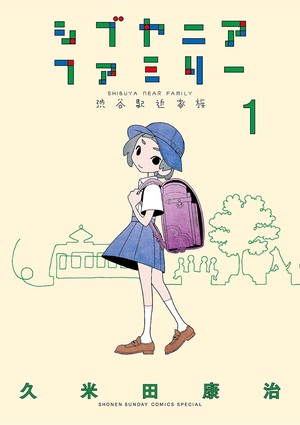
Table of Contents
Kōji Kumeta’s sudden hiatus: what happened
Weekly Shōnen Sunday’s recent issue revealed that Kumeta injured a finger, forcing him to skip this week’s chapter of Shibuya Near Family. In his typically self-effacing announcement he joked about forgetfulness — from readers to editorial staff — while explaining plans for temporary replacements. The magazine’s transparency gives fans a clear idea of the short-term editorial plan while emphasizing the importance of letting creators recover properly.
What readers can expect next from Shibuya Near Family
Rather than leaving a blank space, Weekly Shōnen Sunday plans to run related one-shot material that ties back to Shibuya Near Family’s creative blueprint. Kumeta outlined a tiered fallback plan: the immediate next issue could publish a continuation of his 14-page one-shot “Tawaman Tomoko” (which served as an early template for Shibuya Near Family). If Kumeta’s recovery requires more time, the following issue may run a sequel one-shot titled “Rizoman Tomoko.” He even joked about a third potential sequel, “Shiniman Tomoko,” as a last-resort placeholder — delivered with his characteristic dry humor about editorial demands.
Tawaman Tomoko and the one-shot strategy
One-shots and short serialized specials have long been used by magazines to maintain reader interest during unexpected breaks. In this case, “Tawaman Tomoko” isn’t an unrelated filler: Kumeta describes it as a “blueprint” for Shibuya Near Family, so readers can expect a tonal and thematic continuity that feels like an extension rather than a detour. This approach keeps the audience engaged and preserves the magazine’s pacing without pressuring Kumeta to meet an immediate deadline while injured.
Kumeta’s track record: why this pause matters
Kōji Kumeta’s influence in modern manga comedy is significant. He launched Shibuya Near Family in Weekly Shōnen Sunday in October 2021 after a short prologue, and his prior hits — most notably Kakushigoto: My Dad’s Secret Ambition — demonstrated his deft ability to blend cringe humor, sentimental beats, and meta-commentary on manga and otaku culture. Kakushigoto ran from late 2015 to July 2020 and later received both a television anime adaptation and a theatrical compilation film. For English readers, publishers have made parts of his catalog available through official releases, helping grow his international following (see Kodansha USA for digital releases). Kodansha USA
Earlier works and stylistic legacy
Before Shibuya Near Family and Kakushigoto, Kumeta collaborated with artist Yasu on Joshiraku and produced the influential Sayonara, Zetsubou-Sensei — works that established his voice and inspired multiple anime adaptations. Those series demonstrated his range, from razor-sharp social satire to oddly tender family-focused moments, a balance readers now expect in Shibuya Near Family. Because Kumeta’s storytelling often hinges on precise comedic timing and visual gags, even brief interruptions can be noticeable; however, they also allow the creator the space to return with work that retains its quality.
How magazines handle creator breaks: the editorial perspective
Magazines like Weekly Shōnen Sunday regularly prepare contingency plans for creator absences — whether due to illness, deadlines, or personal reasons. Running related one-shots, reprints, or special features keeps readers satisfied and provides breathing room for mangaka to recover. Kumeta’s public announcement also reflects a collegial relationship with editorial staff: his humor about the staff’s forgetfulness is in line with his persona, and the suggested fallback content ensures the continuity of Shōnen Sunday’s weekly lineup without sacrificing creator health.
What fans can do during a short hiatus
- Catch up on earlier chapters of Shibuya Near Family to better appreciate callbacks and running gags.
- Explore Kumeta’s earlier works (Sayonara, Zetsubou-Sensei; Kakushigoto; Joshiraku) to see thematic through-lines.
- Support official releases and licensed translations to encourage healthy publishing practices for favorite creators.
Final thoughts
While news of a hiatus is always a little disappointing, Kumeta’s transparent and characteristically humorous explanation — plus Weekly Shōnen Sunday’s clear backup plan — suggests this will be a short, manageable pause. Running related one-shots like “Tawaman Tomoko” offers fans meaningful content that aligns with Shibuya Near Family’s tone while giving Kumeta time to heal. For readers who love Kumeta’s sharp satire and human moments, this break is a reminder that creative work benefits from rest. We’ll be keeping an eye on official updates and, until regular serialization resumes, revisiting Kumeta’s prior works is a great way to stay connected to his distinct comedic voice.
Source: Weekly Shōnen Sunday issue 16.