Champignon Witch’s sixth and seventh episodes shift the spotlight in subtle, affecting ways—moving what once felt like Luna’s quiet, sidelined perspective into a broader conversation about witches, fear, and belonging. These episodes elevate Lize from background curiosity to a fully realized emotional anchor, while also reframing the series’ worldbuilding: black magic isn’t simply evil, and the label of “Cursed Youngling” is more a social fiction than a destiny. In this review of Champignon Witch episodes 6–7, we’ll explore character dynamics, thematic threads, and the way the show reimagines the witch archetype for a modern fairy-tale audience.
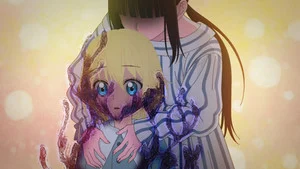
Table of Contents
Luna and Lize: Rewriting the Witch Narrative
The title Champignon Witch primes viewers to expect Luna as the central figure, yet the series has long rendered her as a soft-spoken, almost invisible presence—by necessity. Luna’s poisonous breath and hazardous skin force her into silence and isolation, a protective mechanism that becomes a narrative device to marginalize her agency. Episodes 6 and 7 complicate that perception by elevating Lize: a newcomer who’s curious, active, and desperately seeking affection. His arrival not only gives the episodes a more outward momentum, it also makes the viewer question who truly owns this story.
From Background to Bond
Lize’s presence reveals how Luna navigates intimacy and protection. Their gestures—Luna’s quiet attempts to care for him, Lize wearing a sock to safely share touch—are small but powerful scenes that convey tenderness without heavy exposition. The show avoids melodrama and instead leans into gentle, intimate moments, letting the chemistry between these wounded characters do the storytelling.
Worldbuilding: The Myth of Cursed Younglings
One of the strongest throughlines of these episodes is the critique of the “Cursed Youngling” idea. Within the series’ ecology, witches—particularly those practicing black magic—serve an indispensable function: they filter poison and stave off environmental collapse. The black fog and miasma would overwhelm the world if not for practitioners capable of dealing with it. Lize’s healing of a poisoned rodent in episode seven is especially telling: the act reframes black magic from a source of dread into a necessary, even noble practice.
Origins of Fear
If nature itself relies on black magic, why do human witches and society at large insist on condemning practitioners like Lize? These episodes imply that the fear is socially constructed. The prophecy that “Luna will bring The End of All Things” is shown to be a misreading: Luna survived and now serves as a purifier. The show asks where these bleak prophecies come from and why they persist despite contradictory evidence, suggesting that prejudice—rather than truth—drives much of the conflict surrounding witches.
Character Dynamics: Claude as the Bridge
Claude’s role in episodes 6–7 functions as a nuanced intermediary between humans and the natural (or magical) world. His cynical exterior and caustic remarks conceal a deeper investment in Luna and her goals. He could easily turn his back on them, yet he remains engaged—an indicator that the divide between humans and witches is not absolute. Claude’s ambiguous identity, caught somewhere between bird and human, visually and thematically embodies the tension between mistrust and reluctant care.
Compassion over Prophecy
Throughout these episodes, the most convincing acts are small, human ones—sharing a bed, cooking a meal, pulling mushrooms born of bitter emotions. Luna’s efforts to nurture Lize, even when she unintentionally creates complications, underscore a core message: compassion can upend fatalistic narratives. By refusing to treat Lize as a doomed figure, Luna and those who quietly support her demonstrate how empathy can rewrite a destiny.
Themes: Loneliness, Protection, and New Beginnings
Champignon Witch has always traded in melancholic fairytale imagery, but episodes 6 and 7 push its emotional stakes into more hopeful territory. Both Luna and Lize are loners marked by circumstances beyond their control: physical danger for others in Luna’s case, social ostracization for Lize. Yet their mutual kindness and the way they find comfort in one another suggests a radical idea—that what’s framed as “The End of All Things” by fearful people might be the beginning of a different kind of life.
Touch, Silence, and Affection
The show uses silence as a storytelling tool. Luna’s near-wordlessness forces the narrative to employ visuals, gestures, and small domestic acts to communicate. This restraint amplifies the tenderness between the characters. The quiet scene where Lize sleeps beside Luna, their vulnerability softened by a simple precaution (a sock over Lize’s hand), becomes one of the most affecting moments in the series: fragile, real, and quietly subversive.
Where to Watch
Champignon Witch is available to stream on Crunchyroll. For convenience, you can find the series here: Crunchyroll – Champignon Witch. For readers interested in how witchcraft has been treated historically and culturally, this Britannica overview provides helpful context: Britannica – Witchcraft.
Final thoughts
Episodes 6 and 7 of Champignon Witch are quietly subversive, using intimate character moments and careful worldbuilding to question long-held assumptions about witches and fate. By centering Lize’s humanity and Luna’s steadfast compassion, the series argues that the real problem isn’t black magic itself but the fear and narratives people build around it. In a show filled with muted colors and soft gestures, these episodes are hopeful: they suggest that what many dread as an ending could, in fact, be the start of something tender and new.