Episode 4 of Hell’s Paradise Season 2 takes a bold narrative turn by pausing the ensemble momentum to dive deep into one character’s origin and temperament. Rather than spreading small bits of lore across multiple viewpoints, the episode anchors itself on Shugen and his immediate entourage, using intense, often brutal scenes to establish him as a compelling and dangerous force on the island. This focused storytelling choice pays off by clarifying motivations, escalating stakes, and setting up intriguing factional tensions for the episodes ahead.
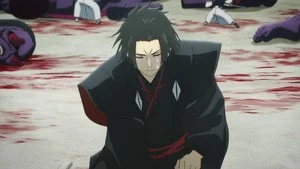
Table of Contents
Episode Overview: A Character-First Approach
Where earlier episodes balanced several POVs to build mystery and group dynamics, this installment slows down to let Shugen occupy most of the runtime. The tradeoff is effective: viewers receive concentrated worldbuilding and a full-length study of a major antagonist’s psychology. The episode uses quieter moments, ritualized behavior, and sudden bursts of violence to illustrate that Shugen is not merely another Tensen: he’s a literal embodiment of formal discipline twisted into something volatile.
Shugen’s Focus: Etiquette, Violence, and a Hidden Empathy
Surface Rules, Deeper Impulses
Shugen arrives as a paradox. On the surface, he obsesses over rituals, sword cleanliness, and the proper way to carry out an execution—an almost fetishistic reverence for order. Yet below that veneer is a man driven by intense emotion and a waning empathy. This portrayal is effective because it complicates the typical “cold executor” trope: Shugen’s fastidiousness is less about honor and more about performance, a socially acceptable framework to justify extreme actions.
The Sword as Metaphor
A standout motif in the episode is Shugen’s treatment of his blade. The contrast drawn between a pristine sword and a serrated, torture-inflicting one acts as shorthand for his internal contradiction. He claims that a clean cut is the most honorable method, but the show hints—through pacing and mise-en-scène—that he enjoys the capacity for cruelty when rules provide an opening. That ambiguity makes him compelling; he’s both a scholar of etiquette and a remorseless hunter.
The Ninja Clan and Gabimaru: Loyalty, Fear, and Betrayal
Parallel to Shugen’s setup is a subplot revealing why a ninja contingent has come to the island with orders to eliminate Gabimaru. Their motivations are pragmatic and chilling: Gabimaru’s prowess and unpredictability make him a threat to the clan’s control. Sending elite assassins to ensure he never returns to the homeland reads like a preventative purge. The scenes showing the clan’s internal anxiety—worried about losing face and influence—add a political texture to the island’s slaughterfest.
The episode also underscores the tragic logic behind the clan’s decision. Gabimaru has been both weapon and victim for these people: he was useful when obedient, dangerous when autonomous. That ambivalence—protective exploitation shifting into a desire to erase—adds emotional weight to Gabimaru’s arc and raises the stakes for any future encounters between him and the clan.
Faction Dynamics: How the Island Is Poised to Explode
With Shugen firmly established, the episode clarifies the main factions on the island: the underdog ragtag group (our protagonists), the specialized murder squad led by Shugen, the Tensen who represent institutional power, and the unpredictable Chobei. The enjoyment of this episode comes from how it reframes earlier episodes: instead of a scattered survival story, the show is now a chessboard of competing interests, each with its own ideology and methods.
The production smartly uses a single-character focus to seed future intersections. Once these groups inevitably collide, the differences in motive and method—honor-bound ritual versus outright bloodlust, survival vs. control—will produce interesting moral dilemmas and visceral confrontations. Expect the action to become more layered, with each fight revealing as much about character ethics as it does about combat skill.
Production Notes: Direction, Tone, and Visual Language
Technically, this episode is confident. The direction favors long takes for exposition and sharp cutting for violence, letting tension accumulate before detonating in brief, shocking moments. MAPPA’s animation quality continues to shine—facial expressions, the weight of blades, and the physicality of combat are rendered with precision. Sound design and score also play a role: quieter, almost reverent musical cues accompany Shugen’s rituals, while harsher percussion underscores his violent choices, reinforcing his dual nature.
Where earlier episodes relied more on ensemble beats, the visual language here is intimate. Close-ups emphasize Shugen’s rituals and micro-expressions, creating a claustrophobic sense of his worldview. This stylistic decision pays dividends in building empathy—or at least full comprehension—for a character who could easily have been a one-note antagonist.
Themes and Character Work
Beyond the immediate plot mechanics, this episode probes several thematic strands: the corrupting nature of institutional loyalty, the performance of honor, and how trauma can be externalized as brutality. Shugen’s backstory—an orphan shaped by rigid expectations—mirrors a broader idea in Hell’s Paradise: the island doesn’t create monsters so much as reveal the monsters in people.
The episode also reiterates a central tension of the series: survival often demands moral compromise. The ninja clan’s decision to kill Gabimaru before he can be pardoned is cruel yet strategic; the protagonists’ emphasis on sticking together is sincere but potentially naive. These competing logics are what make the narrative compelling.
What to Expect Next
With factions defined and Shugen established as a credible threat, the narrative momentum will likely shift back to intersectional conflict. The real excitement will come when the murder squad’s priorities clash directly with the main group and when Gabimaru’s personal history forces him into a confrontation with his former masters. Expect more morally ambiguous fights, reveals about the island’s mysteries, and an escalation in both psychological and physical stakes.
Hell’s Paradise Season 2 is currently streaming on Crunchyroll.
Final thoughts
This fourth episode is one of the season’s best structural gambits: by devoting extended time to a single antagonist, it deepens the series’ stakes and enriches the emotional texture of the island without losing forward momentum. Shugen’s mixture of ritualized propriety and latent cruelty makes him one of the season’s most fascinating figures, while the revealed urgency of the ninja clan’s mission adds political urgency. If the show continues to balance intimate character studies with explosive faction clashes, the season is primed to deliver both intelligent drama and visceral action.