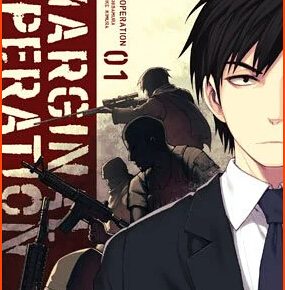
In a tense fusion of military realism and human drama, the manga adaptation of Ryōe Tsukimura’s novel brings the harrowing survival of Japan’s First Airborne Brigade into sharp focus. Published in Young King Ours and recently localized in English via Orange Inc.’s e-bookstore “emaqi,” this series centers on an elite paratrooper unit embroiled in a desperate fight for survival near the Somali border. Below we break down the story, creators, publication history, themes, and where to find the manga.
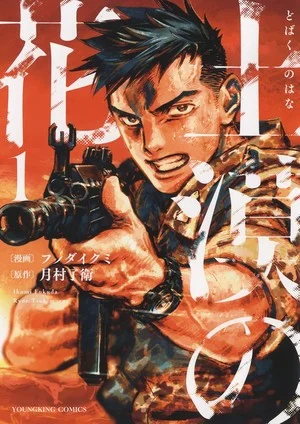
Table of Contents
Overview: What the Manga Is About
The manga adaptation, illustrated under the penname Ikumi Fukuda, follows elite members of Japan’s First Airborne Brigade after an ambush during a search-and-rescue operation near the Somali border. When a woman fleeing civil war stumbles into their encampment, the soldiers must decide how to protect her while fending off relentless attacks. The narrative blends high-stakes tactical action with intimate character moments, emphasizing loyalty, duty, and the heavy cost of war.
Story and Key Themes
Survival and Brotherhood
At its core, the story explores the bonds forged among soldiers under extreme pressure. The First Airborne Brigade is portrayed not as faceless military units but as individuals whose camaraderie and trust are tested by life-or-death choices. The survival aspect is visceral and grounded, focusing on tactics, limited resources, and the moral dilemmas soldiers face when civilians become collateral in conflicts.
The Human Cost of Conflict
By introducing a civilian woman escaping civil war into the soldiers’ world, the manga shifts from pure military spectacle to a human drama: who do you protect when protecting one endangers many? This tension deepens the narrative and offers commentary on responsibility, compassion, and the fog of war in modern conflict zones.
Creators and Publication History
The manga launched in Young King Ours in 2021 and is published by Shōnengahōsha. The series reached its fifth compiled volume in January 2025, marking steady serialization and sustained interest from readers of seinen and military fiction.
Author Backgrounds
Ryōe Tsukimura originally serialized the novel version in Gentosha’s papyrus magazine in 2014 before its print publication. Tsukimura is an industry veteran who has contributed scripts to multiple anime series, including notable titles from the 1990s and 2000s. His background in scripting and story construction lends the work cinematic pacing and strong dialogue.
Ikumi Fukuda is a penname used by the manga artist known for Veil, which started in Comic Ruelle and has its own dedicated following. The illustrator’s experience with darker, character-driven stories helps shape the manga’s visual tone—detailed, tense, and emotionally resonant.
English Localization and Availability
Localization efforts by Orange Inc. via their “emaqi” e-bookstore have brought the manga to English-speaking audiences. The emaqi description highlights the novel’s tense premise: elite paratroopers ambushed during a mission must protect a refugee caught between warring factions. This official English release makes the series accessible to readers who previously relied on scans or fan translations.
For readers interested in purchasing physical editions, the manga’s volumes are released by Shōnengahōsha in Japan; the fifth compiled volume arrived in January 2025. You can find the Japanese release listed on retail pages such as Amazon Japan (link in the image caption). For publisher information, see Shōnengahōsha’s official site (external, nofollow): https://www.shonengahosha.co.jp/
Art Style and Visual Direction
Ikumi Fukuda’s artwork emphasizes realism and atmospheric tension. Panels often focus on tight facial expressions and close combat choreography, with backgrounds that evoke the arid, perilous terrain near the Somali coast. The artist balances action sequences with quieter character beats, using shadow and composition to heighten suspense. This approach supports the story’s emotional stakes while retaining clarity in complex battle scenes.
How the Manga Compares to Other Military Fiction
While there is a niche of military-themed manga that leans into political intrigue or fantastical elements, this adaptation favors grounded, tactical realism. Fans of military drama with human-focused storytelling—rather than purely sensationalized combat—will find this series compelling. Its focus on morality and duty sets it apart from more spectacle-driven titles.
Reception and Impact
Since its serialization began in 2021, the manga has built a steady readership. Critics and fans have noted its strong character development and procedural attention to military detail. The English localization is likely to broaden its reach, introducing international readers to Tsukimura’s story and Fukuda’s interpretation.
Where to Read and Related Resources
The manga is serialized in Young King Ours and collected in tankōbon volumes published by Shōnengahōsha. The localized English edition is available on Orange Inc.’s emaqi e-bookstore. For more background on the original novel’s serialization and author credits, Gentosha’s publisher pages provide archival details (external, nofollow): https://www.gentosha.co.jp/
Why This Series Matters
This adaptation stands out for blending military authenticity with heartfelt human drama. It offers readers an emotionally complex portrayal of soldiers tasked not only with fighting but with making impossible choices that test their core values. The series is valuable for fans of mature seinen manga and readers seeking a thoughtful take on conflict and compassion.
Final thoughts
The manga adaptation of Ryōe Tsukimura’s novel is a gripping, character-driven military drama that successfully translates a tense, morally complex narrative into visual form. With a talented creative team and an English localization through emaqi, the series is poised to reach a wider audience. If you appreciate survival stories, authentic military detail, and emotionally resonant storytelling, this is a manga worth tracking—and one that demonstrates how genre fiction can probe deep ethical questions while delivering edge-of-your-seat action.