Yoroi-Shinden Samurai Troopers episode 5 slams the brakes on slow-burn development and forces the series into a higher gear—right when you least want it to. This instalment pulls at the heartstrings by delivering a tragic, inevitable sacrifice, while also revealing a major twist about the franchise’s legacy. For fans of dramatic stakes, generational conflict, and the question of what makes someone human, episode 5 delivers memorable highs and a few structural stumbles that keep it from being flawless.
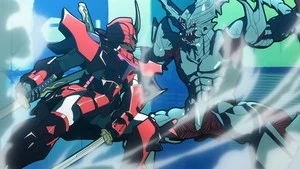
Table of Contents
Episode 5 recap: escalation, possession, and revelation
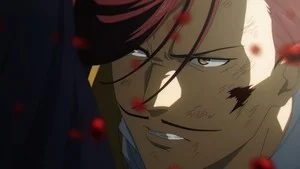
Episode 5 escalates the central conflict by putting Ryusei—established mentor and bearer of the Crest of Fire—squarely in the crosshairs. The episode confirms that Ramaga, the major demonic force introduced earlier, personally poisoned Ryusei and engineered a curse that transforms him into a demon who must battle his friends. Rather than a throwaway casualty, Ryusei’s fall is staged with purpose: it amplifies stakes, forces emotional confrontations, and propels major revelations about legacy by episode’s end.
Ryusei’s arc and the emotional payoff
Ryusei’s death was foreshadowed, but this episode carefully fashions the how and why to maximize pathos. Much of the emotional weight comes from flashbacks that underline his role as the team’s “cool big brother.” These glimpses—while effective—are retrofitted into the narrative late, which sometimes makes the sentiment feel overlaid rather than earned in real time. Still, the core interactions, especially the bond with Gai, land hard: Ryusei reassures the conflicted warrior of his humanity, and in turn the group’s grief and guilt are given a credible fuel source for future episodes.
Why the death works (despite predictability)
- The transformation and possession tie back thematically to previous demonic confrontations, giving Ryusei’s fall symbolic resonance.
- The method of his death—being purified by Gai’s sacred sword but fatally altered by the curse—adds a knife-twist to the predictable outcome.
- His sacrifice serves narrative needs beyond shock value: it deepens Gai and Shion’s emotional arcs and sets up generational conflict to play out with sharper stakes.
Narrative pacing: montage, flashback, and missed opportunities
Yoroi-Shinden’s accelerated pacing is both a blessing and a curse. The show’s willingness to montage training and development has allowed it to cover a lot of ground quickly, but that same approach has left some character moments underexplored until an opportune (or desperate) flashback. Episode 5 resorts to extensive back-porting of bonding scenes to sell Ryusei’s importance, which occasionally reads as “telling” rather than “showing.” Had a few of those key conversations—especially the one between Ryusei and Gai—been shown earlier, the emotional payoffs would have hit harder.
Structural trade-offs
The series so far chooses momentum over slow-building intimacy. That accelerative strategy keeps the plot moving and raises tension rapidly, but it also forces later episodes to make narrative corrections—retroactively deepening character relationships instead of allowing them to evolve organically. Episode 5 demonstrates both results: it creates compelling dramatic beats but at the expense of sometimes feeling like it’s rushing to justify them.
Themes: legacy, humanity, and the generational clash
One of the episode’s strongest through-lines is the idea of legacy. Ryusei carried the Crest of Fire originally associated with Ryo, and the reveal that Ryo himself is connected to Ramaga reframes the entire generational conflict. This twist complicates the assumption that the original guard only left wisdom behind—there may also be betrayal and hidden sins passed down. Combined with the recurring question of what makes a person human versus a demon, these themes grant philosophical texture to the action.
How the reveal reshapes stakes
Learning that Ryo has an unexpected link to Ramaga adds a bitter undercurrent to the Troopers’ mission. It suggests that history isn’t just inspirational legend but a source of unresolved consequences. For Gai and the team, this reframes their struggle—what they’re fighting is not merely an external demonic threat but an inheritance that must be reckoned with.
Key moments and standout choices
- Ryusei’s gradual demonization and the moral complexity of being forced to fight friends.
- The fake-out involving Shion, which hints at team reshuffling and raises questions about leadership dynamics.
- The needle-drop musical moment tied to the Troopers’ shared past—calling back to “Samurai Heart”—works as a strong emotional trigger when timed well.
- The final reveal linking Ryo to Ramaga, which provides the episode’s strongest narrative hook going forward.
Where the series could improve
Refining the balance between brisk plotting and earned character beats would elevate the show. Allowing a few more intimate scenes to breathe in earlier episodes—especially those that cement Ryusei’s relationships—would increase the authenticity of later sacrifices. Streamlining exposition while keeping emotional clarity should be the next goal for the writers: with sharper focus, the series can maintain momentum without needing to retroactively patch big character moments.
Where to watch
Yoroi-Shinden Samurai Troopers is currently streaming on Crunchyroll for viewers in supported regions. For creator commentary and social reactions, you can also follow discussions on platforms like BlueSky.
Final thoughts
Episode 5 is a pivotal turning point: it raises the stakes, deepens the emotional burden on the surviving Troopers, and delivers a generational twist that reframes the entire conflict. The sacrifice of Ryusei—while foreshadowed—is handled in a way that still manages to sting, thanks to careful mirroring of past demonic confrontations and a meaningful, if belated, focus on his bonds with the team. The episode’s main shortcoming is structural: flashbacks and montage-driven growth create moments that feel backfilled rather than organically earned. Still, the thematic ambition and the power of the key scenes suggest that when Yoroi-Shinden commits to its strengths, it can hit those high notes consistently. If the series tightens its focus while preserving its emotional center, the next episodes could be both thrilling and heartbreaking.