Ukyō Kodachi’s culinary manga Ato 365 Hi no Dinner has reached its conclusion. The final chapter ran in the June issue of Champion RED, and the story will be collected in a fourth and final volume scheduled to ship on July 17. Blending high-stakes food culture with character-driven drama, the series has captured readers who love thoughtful depictions of cuisine and the artisans behind it.
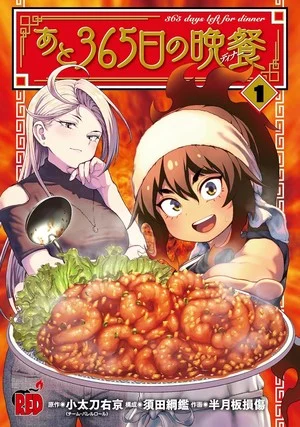
Table of Contents
What Ato 365 Hi no Dinner is about
Ato 365 Hi no Dinner opens with an encounter between two contrasting young women that sets the plot in motion. Tobira, the pride of a downtown Chinese restaurant, represents traditional skill, dedication, and family culinary legacy. Tsukasa, a celebrity consultant and food consultant, brings modern flair, branding expertise, and outside influence to the table. Their collision of techniques, ideals, and ambitions promises to “shake the foundations of 4,000 years of Chinese cuisine,” creating a narrative that explores tradition versus innovation in food culture.
Publication history and final volume
The manga launched in Champion RED in March 2024 and concluded with its final chapter appearing in the magazine’s June issue. Akita Shoten will publish the series’ fourth and final collected volume on July 17. Prior to the finale, the series had multiple compiled volumes released, with the third volume shipped on January 20. Fans who have been following the serialized chapters in Champion RED will now be able to collect the complete story in book form.
Where it ran
Champion RED has been the manga’s primary home since its debut. The magazine is known for a diverse lineup of seinen and shonen titles, and Ato 365 Hi no Dinner added a culinary drama angle that broadened the magazine’s appeal to readers who enjoy food-focused storytelling.
About the creator: Ukyō Kodachi
Ukyō Kodachi is best known to many readers for his role as the original writer of the Boruto sequel manga. Kodachi wrote the Boruto storyline from its launch and later transitioned writing duties, but his influence on franchise-era storytelling is well established. In addition to his work on Boruto, Kodachi has been credited as head writer or series writer on multiple anime projects, including Chaos Dragon; Lord El-Melloi II’s Case Files: Rail Zeppelin Grace note; SEVEN KNIGHTS REVOLUTION: Hero Successor; and the Fate/Grand Order The Movie: Divine Realm of the Round Table — Camelot. His move to a food-centric, character-driven manga demonstrates his narrative versatility.
Why food manga still resonate
Food manga remain a strong genre because they combine sensory detail, cultural history, character growth, and sometimes competition or mystery. Ato 365 Hi no Dinner taps into that lasting interest by focusing on the intersection of culinary tradition and modern consultation culture. The series examines how legacy kitchens adapt (or resist) changing palates and public tastes, while also using food as a vehicle for relationships and personal transformation.
Tradition vs. innovation
The dynamic between Tobira and Tsukasa mirrors a broader conversation happening across real-world culinary circles: how to honor centuries-old techniques while still appealing to contemporary diners. The narrative stakes—described as shaking the foundations of Chinese cuisine—push the story beyond everyday kitchen drama and into cultural commentary.
Characters to watch
Tobira: The story’s emotional core, Tobira is positioned as the living legacy of her restaurant. Her pride, expertise, and willingness to protect the soul of her cuisine provide the heart of the series.
Tsukasa: A consultant and celebrity figure who approaches food with analysis, trend-awareness, and marketing savvy. Her influence challenges Tobira and the restaurant to rethink what success means in an era of viral food trends.
Art direction and food depiction
One of Ato 365 Hi no Dinner’s strengths is its ability to convey taste and texture visually. Good food manga make readers feel the crunch of a perfectly fried dumpling or the silkiness of a broth through layout, close-ups, and pacing; Kodachi and the art team lean into these techniques to make culinary moments feel cinematic. Readers who value detailed food art and thoughtful panel composition will find much to appreciate.
How this manga fits into the wider culinary-manga landscape
Ato 365 Hi no Dinner joins a robust tradition of gourmet storytelling that includes titles focusing on everything from home cooking to high-end gastronomy. Where it stands out is its explicitly Chinese cuisine focus paired with contemporary criticism and consultancy culture — a combination that opens up discussions about authenticity, globalization, and the cultural weight of recipes handed down through generations.
Where to buy and collect
The fourth and final volume will be released on July 17, completing the collected edition run. Readers interested in buying official tankobon volumes can look for listings via retailers; the featured image above links to a product page on Amazon as one purchasing option. For official publisher information about releases and future announcements, check Akita Shoten’s site. Akita Shoten
Final thoughts
Ato 365 Hi no Dinner closes with a promise to satisfy readers looking for both culinary detail and character-driven drama. Ukyō Kodachi’s move from franchise and anime writing back into manga demonstrates his range, and the series’ focus on the tension between tradition and modernity will resonate with anyone fascinated by the culture behind the food. With the fourth volume completing the story on July 17, now is a great time for readers to catch up on earlier volumes and savor how the series treats food as both craft and narrative engine.