Table of Contents
Thunderbolt Fantasy Season 4 Review: A Visually Dazzling, Emotionally Uneven Farewell
After four seasons and several feature entries, Thunderbolt Fantasy arrives at its penultimate television outing with a season that shines brilliantly in spectacle but stumbles in narrative focus. Season 4 splits its attention between multiple converging factions—the spirit-beset trio of Shāng Bù Huàn, Juǎn Cán Yún, and Dān Fěi journeying through the Wasteland of Spirits; the demonic awakening surrounding Làng Wū Yáo orchestrated by Azibělpher and allies; and the inscrutable machinations of the Order of the Divine Swarm and the Enigmatic Gale, Lǐn Xuě Yā. The result is a season of sumptuous puppetry and theatrical excess that sometimes sacrifices coherent payoff for frenetic scope.
Season Overview: Three Threads, One Crowded Tapestry
Season 4 attempts to juggle three major narrative strands, and while they eventually collide in meaningful ways, the season often feels stretched thin. The first arc follows Shāng Bù Huàn and company as they cross the Wasteland of Spirits to protect Dōng Lí, a journey with intermittent emotional beats but limited screen time for deeper character exploration. The second centers on Làng Wū Yáo and the surge of demonic blood awakening within him—an intriguing premise that, frustratingly, gets sidelined in the second half. The third introduces new faces from the Order of the Divine Swarm whose motives and ultimate trajectories hold untapped potential but whose conclusions can feel abrupt or mystifying.
Writing and Pacing: Ambition Overreach
Gen Urobuchi’s involvement ensures the season aims for big thematic stakes, yet the writing often buckles under the weight of its ambitions. Trying to balance so many characters and plotlines leaves several arcs without satisfying payoffs. Key players like Làng Wū Yáo and Shāng Bù Huàn receive less screen time than their narrative importance implies, and newly introduced characters—while conceptually compelling—are sometimes concluded in ways that feel rushed or underexplained. The net effect is an episodic momentum that more often acts as a lead-in to the follow-up movie rather than a fully self-contained culmination.
What Works
- Moments of character interaction that are given room to breathe deliver memorable emotion.
- Clever staging and theatrical reveals preserve the series’ signature melodrama and camp.
What Falters
- Uneven distribution of screentime dilutes the investment in several major threads.
- Some story beats end in ways that ask the viewer to accept leaps rather than understand them.
Puppetry, Production, and Visual Style
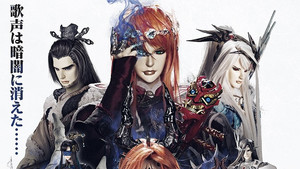
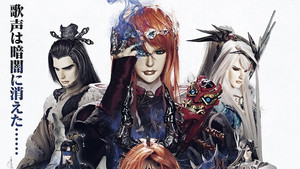
If you’re watching Thunderbolt Fantasy for production value, Season 4 more than delivers. The handcrafted puppetry remains the series’ greatest asset—expressive gestures, dramatic hair flips, and couture-level costuming all combine to create a theatrical feast. Fight choreography is flamboyant and expertly staged, mixing cinematic cutting with practical puppet movement to maintain fluid, kinetic action. The visual editing leans into heightened theatricality, at times evoking meme-worthy dramatic reveals, but it mostly lands as an affectionate and intentional stylistic choice rather than a gimmick.
Voice Acting and Sound Design
The season’s voice performances match the heightened energy of the puppetry; actors lean into theatrical delivery and melodrama, which complements the visuals rather than competing with them. The sound design and score support the wuxia atmosphere, amplifying emotional beats and fight sequences with orchestral swell and percussion that feel appropriately operatic.
Characters: Bright Sparks, Missed Opportunities
Several characters who seemed poised for major development are underused this season. Làng Wū Yáo’s demonic arc promises profound transformation but largely fades into the background when the narrative splits focus. New Order members like Huā Wú Zōng and Bà Wáng Yù introduce interesting dynamics and stakes, yet their resolutions can land as confusing or unsatisfying. On the other hand, recurring figures like Lǐn Xuě Yā continue to be a highlight—his enigmatic presence and show-stealing moments inject life into scenes where the plot otherwise meanders.
Tone: Camp Meets Tragedy
One of Thunderbolt Fantasy’s most charming traits is its embrace of ‘intense theater kid energy’—a delicious blend of soap opera-style drama, camp, and wuxia melancholy. Even at its weaker moments, Season 4 is buoyed by this tone: the melodrama often reads as deliberate genre play, making it easy to forgive narrative lapses if you surrender to the spectacle.
How Season 4 Fits Into the Bigger Picture
As a penultimate television season preceding Thunderbolt Fantasy Sword Seekers -The Finale-, Season 4 sometimes reads like extended connective tissue. While that’s not inherently negative—there are clear set-ups that promise payoff in the concluding film—it does mean this season functions better as a chapter than as a standalone conclusion. Fans of the series’ earlier seasons may feel it pales by comparison, but it still sets the stage for what could be a satisfying cinematic finish.
Recommendation: Who Should Watch?
If handcrafted puppetry, lavish costumes, stylized combat, and operatic melodrama are your priorities, Season 4 remains a rewarding watch. If you watch primarily for tight, self-contained storytelling and evenly distributed character arcs, you may find Season 4 frustrating. Either way, the season’s high points—especially its visuals and select character moments—are enough to keep interest alive for the finale.
See an example of the series’ dramatic reveal style
Final thoughts
Thunderbolt Fantasy Season 4 is an uneven but often delightful penultimate chapter: a feast for the eyes and a showcase for the series’ theatrical sensibilities, yet hampered by scattershot plotting and inconsistent character usage. It’s not the triumphant high water mark earlier entries achieved, but it remains undeniably watchable—especially for viewers who prioritize craftsmanship, campy grandeur, and striking puppet wuxia aesthetics. The season leaves enough intrigue and unresolved threads to make the concluding film feel necessary, which may be precisely the point: a visual and emotional bridge to a final showdown that fans will hope delivers the satisfying closure this ambitious saga deserves.