Episode 9 of The Holy Grail of Eris digs deeper into the series’ darkest moral questions, centering on guilt, sacrifice, and how societies assign blame. The episode revisits Scarlett Castiel’s tragic past and forces the present characters—especially Constance Grail and Duke Castiel—to face the consequences of choices made a decade earlier. Through intimate scenes and stark revelations, the show ties personal grief to systemic cruelty, setting up a tense turning point in the narrative.
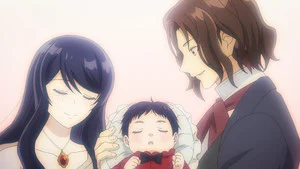
Table of Contents
Episode 9 Recap: Confrontation and Consequence
Episode 9 centers on a volatile confrontation between Connie and Scarlett’s father, Duke Castiel. Connie’s violent reaction—slapping the ducal figure—lands as catharsis for viewers after learning the full extent of the duke’s role in Scarlett’s demise. The episode reveals that politics and cold calculation took precedence over compassion, and that sacrifice was offered as a convenient solution to a larger threat that ultimately persisted. The emotional core is the duke’s remorse and the heartbreaking scene of him mourning over Scarlett’s ashes, but the series is careful to show that regret does not undo failure.
Scarlett’s Tragedy and Historical Parallels
The episode evokes a classic literary echo: Pearl S. Buck’s short story “The Communist” from her 1933 collection The Good Wife and Other Stories. In Buck’s tale, a young girl becomes enmeshed in revolutionary fervor and is later executed while still steadfast in what she believed. The story’s closing image—a girl marching to death while singing—mirrors Scarlett’s fate in the anime: a child whose life is consumed by forces beyond her control and whose punishment is as much societal theater as it is justice.
Pearl Buck’s “The Communist” and the Disposable Girl
Just like Buck’s protagonist, Scarlett is a young woman—a child at seventeen—coerced or betrayed by adults who prioritize political expediency over human life. The key parallel is not merely the execution but the way society applauds the punishment as a moral imperative. That crowd’s certainty about someone’s “vileness” is shown as a convenient fiction used to justify maintaining the status quo. For a readable overview of Pearl S. Buck’s themes and legacy, see this source Pearl S. Buck — Wikipedia.
The Disposable Nature of Girls in the World of Eris
Episode 9 drives home one of the series’ most disturbing motifs: girls are expendable. Scarlett’s death did not permanently solve the conspiracy; instead, it let the real perpetrators continue their plans unchallenged. The show frames the tragedy as systemic—structured institutions, alliances, and reputations protect the powerful while scapegoats are created from the vulnerable. This pattern is exemplified by other characters such as Lily Orlamunde and Deborah Darkian—women who, in their different ways, paid with their lives or livelihoods for choices that were beyond their full control.
Constance Grail: The Rising Agent of Change
One of the episode’s important developments is the shifting burden of action to another young woman: Constance Grail. When adult men fail to atone or correct their grievous mistakes, Constance emerges as the person most likely to pursue justice. Her anger is righteous, and her willingness to challenge the powerful marks a potential turning point in the series. The narrative positions Constance as not only a foil to the complacent older generation but also an active agent who may prevent future needless sacrifices.
Duke Castiel: Love, Regret, and Responsibility
The show complicates the villain narrative by presenting Duke Castiel as a man who truly loved his daughter and suffers under the weight of his decision. The scene in which he cradles Scarlett’s ashes is painfully human; his remorse seems genuine. Still, the episode is unsparing: good intentions do not absolve catastrophic choices. The story asks whether private grief is sufficient when public action was required long ago. That moral ambiguity is central to the episode’s emotional resonance—Castiel’s sorrow is real, but the consequences of his choice continue to ripple outward.
Themes and Symbolism: Singing to Death, Shame, and Redemption
Episode 9 uses repeated symbolism—singing, ashes, and public spectacle—to interrogate how societies manufacture shame and memorialize injustice. Scarlett “going to death singing” is a painful image of dignity stripped of consequence: it is both defiant and tragically futile. The episode uses these motifs to argue that ritualized punishment masks structural failure. Redemption in this world requires systemic change, not only personal mourning. If anyone can break the cycle, the show suggests, it must be those who bear the least responsibility for creating it: the younger generation.
What This Means for the Story Moving Forward
With the revelation that Scarlett’s death did not halt the plot, the stakes rise for Constance and her allies. The episode reframes the conflict: it is no longer merely personal revenge or grief but a fight to dismantle the mechanisms that allowed such a sacrifice to be deemed necessary in the first place. Expect the series to pivot toward uncovering the true architects of the scheme and to challenge the institutions that enabled them. Episode 9 sets a darker, more determined tone for the episodes to come.
The Holy Grail of Eris is currently streaming on Crunchyroll.
Final thoughts
Episode 9 is one of the series’ most morally uncompromising installments: it refuses easy answers and insists that grief, however sincere, does not heal structural wrongs. By connecting Scarlett’s fate to broader literary themes about scapegoating and societal cruelty, the episode deepens the show’s critique of power and the disposable status often handed to young women. With Constance now poised to pick up the mantle, the narrative finally points toward a more active attempt to right past wrongs—and the coming episodes will determine whether justice can be achieved without repeating the same mistakes.