Season 2 of Pokémon Concierge quietly builds on the tranquil charm of the first run, deepening both character work and the tactile, lovingly crafted stop-motion that makes this short-form series so special. Where season one focused on Haru finding her footing at the resort, this new batch of episodes puts her in the role of guide and caretaker—testing whether the calm she’s embraced can be shared with guests and Pokémon alike. The result is a soothing, emotionally gentle continuation that feels equal parts vacation and warm conversation.
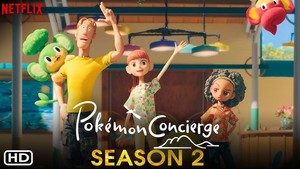
Haru’s return in season 2 finds her growing into a role that asks her to care for others as much as she cares for herself.
Table of Contents
Stop-motion craft: small details, big heart
One of Pokémon Concierge’s greatest strengths remains its stop-motion animation. Dwarf-like studio craftsmanship returns, and even in short episodes the series manages to communicate enormous personality through subtle movement. Walk cycles, item handling, and the tiny shifts in facial expression all convey character without relying on broad gestures. The limited-but-precise animation gives the world an intimate, handmade feeling that’s rare in modern franchise fare.
Texture, lighting, and environmental realism
Texture work in season 2 is consistently impressive: furred Pokémon have a fuzzy, tactile finish while sleeker or armored creatures look appropriately plastic or metallic. Environmental assets—mud under the garden, the way water beads and soaks fur, or small scuffs on furniture—make the resort feel lived-in. The camera is more adventurous this season too, with dynamic framing and inventive angles that elevate quiet moments into cinematic ones.
Sound and score: a tropical lullaby
The soundtrack continues to be a standout, reimagining franchise motifs with a laid-back, tropical palette. The music acts as an emotional undercurrent, soothing the viewer even when characters face stress. Cleverly, the series weaves in a battle theme in a way that suits the resort setting—reminding you that the world of Pokémon can still be adventurous while remaining restful. Overall, the score helps sell the idea that calmness and care can be powerful forces.
Haru’s evolution: from newcomer to guide
Season one primarily chronicled Haru’s adjustment to life on the island and the bond she formed with Psyduck. Season two flips that dynamic: Haru is no longer just learning, she’s responsible for helping others find respite. Many episodes introduce guests who carry the same heaviness Haru once felt—overworked, burned out, or emotionally adrift—and we watch her gently and honestly help them rediscover what matters. She doesn’t preach or fix lives with grand gestures; she offers small kindnesses, steady presence, and a reminder that restoration is often incremental.
The new status quo and emotional beats
This shift in focus from self-discovery to stewardship pays off. Rather than repeating the opening arc of season one, season two demonstrates that Haru’s choice to stay at the resort matters. The show’s narrative pattern—meet someone struggling, provide quiet support, watch subtle change—could easily become repetitive, but the variety of guest stories and the nuanced handling of each situation keep the episodes feeling fresh. By the season’s close, Haru’s declaration that the resort is where she belongs lands as the earned conclusion of genuine growth.
Thematic resonance: rest, recovery, and gentle commentary
Beyond its aesthetic pleasures, Pokémon Concierge offers a quiet commentary on contemporary pressures: overwork, burnout, and the societal rush that leaves people emotionally depleted. The resort acts as a counterpoint—a space where rest, connection with Pokémon, and human kindness produce real healing. There’s no moralizing, only an empathetic presentation of how small comforts and patience can renew perspective. For viewers craving a low-stakes, high-warmth experience, this season feels like a balm.
One of the show’s loveliest attributes is how generous it is with hope. Conflicts are real but never crushing; resolutions are earned and understated. In a media landscape often dominated by high-octane drama, Pokémon Concierge’s calm persistence is quietly radical.
Why this series deserves more time
The format—short episodes with meticulous stop-motion—naturally limits how many stories can be told, but it also gives each moment a concentrated sweetness. The series suggests an appealing ongoing rhythm: small adventures, tender encounters, and an opportunity to step away from the noise. There’s clear potential for additional episodes or seasons that explore more guest stories, deeper bonds among the resort staff, or extended looks at the Pokémon who make this place so special.
For readers who want to learn more about stop-motion techniques, this primer offers useful background on the craft: Stop-motion animation (overview). For broader context about the Pokémon franchise and its many spin-offs, the official site is a helpful resource: The Pokémon Company International.
Final thoughts
Pokémon Concierge Season 2 is proof that a small, carefully made show can outshine flashier productions through craft, atmosphere, and heart. It refines what worked in season one—strong tactile animation, an evocative soundtrack, and a cozy setting—while maturing Haru into a character who enriches others’ lives. If you’re looking for something gentle, well-made, and emotionally restorative, this season is an inviting staycation you’ll want to return to.