Hinase Momoyama’s PARANORMASIGHT: File 25 – Reikan Shōjō Kurosuzu Mio no Kaigō (PARANORMASIGHT: File 25 – The Chance Encounter of Psychic Girl Mio Kurosuzu) spinoff manga is set to conclude with its second tankōbon, currently listed by retailers with an August 6 release. This compact, atmospheric series expands the universe of Square Enix’s PARANORMASIGHT games by focusing on one of its most intriguing new characters—Mio Kurosuzu—and wraps her short but haunting tale in a final compiled volume.
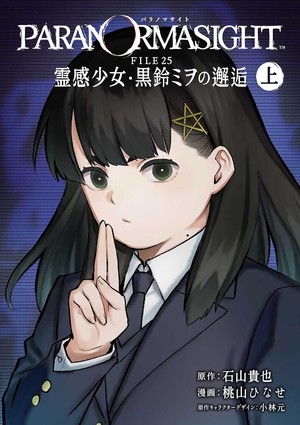
Table of Contents
What the PARANORMASIGHT Spinoff Brings to the Table
As a spinoff from Square Enix’s PARANORMASIGHT: The Seven Mysteries of Honjo, Momoyama’s manga zeroes in on the human side of supernatural trauma through the lens of a young psychic, Mio Kurosuzu. While the main game is known for weaving multiple perspectives into a layered urban horror narrative, File 25 isolates a single encounter and gives readers a concentrated dose of eerie atmosphere, moral ambiguity, and period flavor.
Setting and Tone: Showa-Era Honjo Revisited
PARANORMASIGHT is rooted in a Showa-period (1926–1989) Tokyo, in the Honjo neighborhood of Sumida City. That historical backdrop does more than provide a vintage aesthetic: it deepens the sense of social constraint and superstition that fuels the series’ ghost stories. In Momoyama’s art and scripting, the period details—streets, homes, and everyday objects—act as a pressure cooker for the uncanny, making the supernatural occurrences feel intimately connected to the characters’ lives.
Why the Showa Setting Matters
- The Showa era’s layered social norms make characters’ choices feel weightier, especially when stigma and secrecy shape behavior.
- Period technology (or lack of it) limits how people react and investigate, increasing a sense of isolation and dread.
- Traditional beliefs and folklore maintain a stronger cultural foothold in this setting, grounding the curse mechanics and hauntings in believable local lore.
Mio Kurosuzu: A Quiet Center of the Horror
Mio is compelling because she isn’t a conventional “final girl” or melodramatic heroine; she’s a quietly powerful, morally complex character whose psychic ability comes with cost. Momoyama’s characterization leans into subtlety—expressions, small gestures, and the interplay between silence and sudden supernatural flashes carry much of the emotional weight. The spinoff’s focus on a single protagonist allows readers to trace how the burdens of a curse reshape identity and relationships.
Character Dynamics and Thematic Threads
Throughout File 25, the story repeatedly asks: what is the price of knowing what others cannot? Who profits or suffers when curses manifest? The manga uses interpersonal conflict rather than grand spectacle to raise these questions. As a result, scares are often psychological—tethered to guilt, memory, and the social consequences of the paranormal.
From Game to Page: How the Manga Expands the PARANORMASIGHT Universe
PARANORMASIGHT games are structured around multiple viewpoints and interactive investigation by day, with survival and dread at night. The manga adapts that spirit into a linear narrative: the investigative curiosity of daytime exploration becomes quiet scene-setting and clue-laying, while the night terrors of the game translate into tense, carefully staged horror sequences. Momoyama’s illustrations echo the game’s mood while delivering a tighter emotional arc for Mio.
Art Style and Visual Storytelling
The artwork favors contrasts—soft period interiors against stark, inhuman imagery when the supernatural intrudes. Paneling and pacing are used to build suspense: lingering frames for everyday moments, followed by abrupt cuts to disturbing revelations. Fans of the game will appreciate how the manga preserves the series’ unsettling atmosphere even without interactive mechanics.
Release Details and Collectibility
Momoyama launched the manga on Square Enix’s Manga UP! platform on November 2, and the first compiled volume shipped earlier in the series run. Retail listings indicate the second compiled volume—announced as the final volume for the spinoff—will ship on August 6. For collectors and readers who follow Square Enix’s transmedia projects, this short-run spinoff is likely to become a neat, self-contained collectible that complements the larger PARANORMASIGHT storyline.
For those who want to pre-order or check retail info, the first volume’s page and retailer listings remain useful reference points: Amazon Japan and publisher/retailer notices like Bell Alert.
Who Should Read This Spinoff?
PARANORMASIGHT: File 25 is ideal for readers who enjoy:
- Compact supernatural stories with strong character focus.
- Period-set horror where atmosphere and social context drive fear.
- Fans of the PARANORMASIGHT games who want deeper character perspectives without needing to play the titles.
Reading Tips
Because the spinoff is short and emotionally dense, read it in a quiet setting to better appreciate the pacing and unsettling beats. If you’re coming from the games, treat the manga as a complementary side story rather than a direct adaptation—it enriches the world by zooming in on a single life affected by the series’ cursed mechanics.
Final Thoughts
Hinase Momoyama’s PARANORMASIGHT: File 25 offers a concise, well-crafted detour into the darker corners of Square Enix’s mystery-adventure universe. By centering on Mio Kurosuzu, the spinoff turns broad, multi-perspective horror into an intimate study of consequence and psychic burden. With its August 6 final volume release, the series promises a tidy, memorable conclusion that both fans of the games and newcomers to the franchise can appreciate—especially those who favor atmosphere, character depth, and the melancholic chill of Showa-era ghost stories.