Episode 8 of Nippon Sangoku: The Three Nations of the Crimson Sun proves that great animation doesn’t always need non-stop spectacle to land an emotional punch. This installment leans into restraint — long, deliberate conversations, careful blocking, and a handful of quiet but devastating beats — and turns them into one of the season’s most memorable chapters. If you love cinematic storytelling in animated form, this episode is a masterclass in how to make stillness feel monumental.
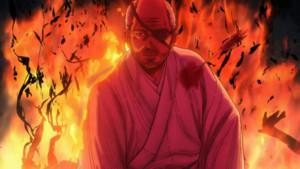
Table of Contents
Why Nippon Sangoku Feels Cinematic
The first thing that jumps out in this episode is how the show borrows techniques more commonly associated with prestige live-action cinema — long takes, carefully composed frames, and an emphasis on performance over flashy animation tricks. It recalls the way some wuxia films squeeze tension out of a tea ceremony or a slow exchange of words, rather than relying entirely on elaborate fight choreography. That pressure of contained drama produces a psychological intensity few TV anime dare to attempt and even fewer pull off convincingly.
Masterful Restraint: Quiet Scenes That Resonate
Episode 8 demonstrates how silence can be as powerful as swordplay. Scenes where characters simply sit, drink tea, or trade a few lines become crucibles for personality and stakes. The episode trusts its audience: subtext and facial micro-expressions carry as much narrative weight as exposition. The result is that emotional and political tension feels organic rather than manufactured.
Direction and Storyboarding That Serve the Story
The show’s direction and storyboarding are confident and economical. Sequencing choices — when to cut, when to hold, when to let an expression linger — all push the episode forward without ever calling attention to themselves. Those invisible but precise decisions are what make the animation feel seamless, even when the budget isn’t splurged on constant sakuga. Episodes like this are proof that good direction can make a TV production play like a feature film.
Studio Kafka’s Visual Consistency
Studio Kafka has delivered consistently stylish animation throughout the season, and episode 8 is no exception. The studio doesn’t necessarily try to outdo other series with nonstop fluid motion; instead, it chooses quality over quantity. Character acting, background detail, and mood-setting lighting are prioritized to craft scenes that look and feel lived-in. Those theatrical-level touches — camera composition, weight in character poses, and subtle atmospheric movement — keep viewers invested even during long conversation scenes.
Characters Stealing the Spotlight
One of Nippon Sangoku’s greatest strengths is its ability to make even secondary characters feel compelling and richly drawn. Episode 8 continues that trend, spotlighting figures who might otherwise be relegated to the sidelines and making them central to the emotional and thematic payoff. Complex motivations, believable misgivings, and moral conviction are written in shorthand through nuanced performances and small, telling gestures.
Wajima: The Gentle Dictator
Wajima is a fascinating antagonist because her brutality is tempered by genuine sorrow and conviction. She oversees an aggressive, unflinching campaign and yet seems internally conflicted — which makes her far more dangerous than a one-note villain. The show asks the audience to understand her rationale without excusing her methods. That blend of charisma, righteousness, and sorrow creates a terrifying opponent: someone who truly believes in the justice of their cause and will pursue it relentlessly.
Mitsuhide Ryumon: Theater of Power
Opposite Wajima stands General Mitsuhide Ryumon, whose power in this episode comes not from a magical technique but from presence. Dressed simply, brewing tea, and sitting calmly on a bridge, Ryumon faces down a military force with nothing but stoicism and mythic daring. That quiet display of courage, especially when contextualized as an homage to battlefield legends, is cinematic in the best way: it turns a simple moment into a spectacle of character.
The Triumph of a Quiet Victory
When Ryumon’s gamble pays off and Wajima withdraws, the catharsis lands harder than any flashy confrontation might have. The victory feels earned because it’s the end product of careful setup — emotional stakes established through conversation, moral pressure built through small reveals, and the quiet confidence of a character willing to risk everything on principle. It’s a reminder that storytelling can be just as thrilling when it relies on intelligence and craft instead of spectacle alone.
Where to Watch
Nippon Sangoku: The Three Nations of the Crimson Sun is available for streaming on Amazon Prime. For viewers who prefer to experience the series with the best possible picture and audio, official streaming platforms are the recommended route. Watch on Prime Video.
Further Reading and Inspiration
If the episode’s quiet, theatrical moments reminded you of classic wuxia cinema, Zhang Yimou’s Hero is an apt point of comparison — a film that leans heavily on composed set-pieces and dialogic tension as much as it does on action. For background on wuxia aesthetics and how they inform contemporary storytelling, see this overview: Hero (2002) on IMDb.
Why This Episode Matters
Episode 8 stands out because it trusts its characters and its audience. It proves that the most satisfying moments in animation aren’t always the flashiest — sometimes they’re the quiet, dignified ones where a character’s convictions are put to the test and the outcome hinges on moral clarity and sheer nerve. Studio Kafka and the series’ creative team have crafted an installment that feels both intimate and epic, and it’s a highlight for anyone who appreciates storytelling craft as much as spectacle.
Final thoughts
By prioritizing direction, character, and atmosphere over constant kinetic action, Nippon Sangoku delivers an episode that lingers. Episode 8 is a reminder that restraint can be electrifying when handled with confidence: the show’s willingness to slow down, let emotions breathe, and center on human theater elevates it from competent war drama to something genuinely memorable. If this episode is any indication, the series continues to be required viewing for fans who want their anime to feel cinematic, substantive, and thoughtfully composed.