N LITE’s ambitious MFINDA project — described by the studio as “AFRIME” or afro-anime — is taking a major step toward global audiences with a serialized manga pickup in Kodansha’s Biblio Sirius magazine and a high-profile animated film partnership. With a creative team that spans continents and champions of Black and Indigenous storytelling on board, MFINDA is shaping up to be one of the most talked-about cross-media anime and manga projects of the coming years.
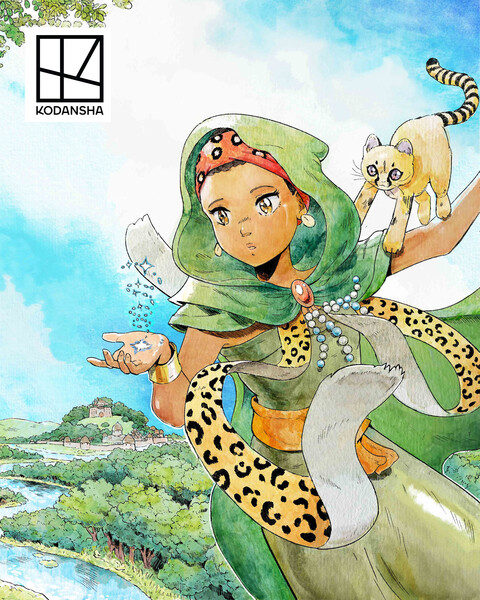
Table of Contents
What is MFINDA? A concise story overview
MFINDA follows the story of Odi, a young girl who is mysteriously transported back in time where she encounters another girl named Nasambi. Together they must travel through the enigmatic realm called the MFINDA to confront malevolent spirits and reclaim the Nkisi — a quest that may be Odi’s only hope of returning home. The narrative combines elements of mythic adventure, spiritual folklore, and coming-of-age drama under the banner of AFRIME, N LITE’s hand-drawn 2D “afro-anime” aesthetic.
Manga adaptation: Kodansha serialization and release plans
N LITE is co-developing a serialized manga adaptation of MFINDA in partnership with Kodansha. The series is slated to debut in Kodansha’s Biblio Sirius magazine in 2026 as part of a planned global rollout. Earlier announcements indicated that the first collected volume of MFINDA: The Manga was scheduled for release in 2025 and that the full manga will span three volumes and be made available in both Japan and the United States.
Creative team behind the manga
The manga adaptation brings together an international creative lineup: Christiano Terry (founder of N LITE) is the writer, Patience Lekien (creator of MFINDA) handles art direction, and visual artist Tom Lintern provides the illustrations. Production collaboration includes a Japanese planning and inking team from D’Art Shtajio and Sakura Phoenix K.K., ensuring manga production that blends western storytelling sensibilities with established Japanese manga craftsmanship.
Animated film: a transnational production with heavyweight partners
MFINDA’s cinematic ambitions are supported by a notable group of producers and studios. JuVee Productions (co-founded by Viola Davis and Julius Tennon) has signed on as a partner for the film adaptation, with Davis, Tennon, JuVee’s head of film Melanie Clark, Tarō Maki of Genco, Inc., and GKIDS’s Eric Beckman credited as executive producers. U.S. animation distributor GKIDS is also a coproduction partner, indicating strong international distribution intent.
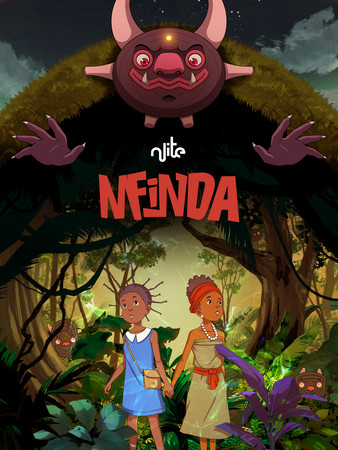
Key production & creative leadership
Production leadership includes Masao Maruyama, known for his long history as a producer and planner on acclaimed Japanese animation projects, serving as a producer on MFINDA. The film’s direction is led by legendary animator and director Gisaburō Sugii, with Arthell Isom of D’Art Shtajio credited as co-director. The screenplay has a diverse writing team featuring Donald H. Hewitt (credited for English screenplay work), Mika Abe, and Patience Lekien, with the story credited to Lekien and Terry. This combination of international creative voices aims to preserve the project’s cultural authenticity while adapting it for a global audience.
Why MFINDA and AFRIME matter
N LITE has stated a mission to center Black and Indigenous stories through global collaborations. The AFRIME label — their term for afro-anime — emphasizes hand-drawn 2D animation and storytelling rooted in African and diaspora narratives. Projects like MFINDA are notable for how they bring underrepresented mythologies and cultural perspectives into mainstream anime and manga spaces, widening the creative palette of the medium and offering new points of connection for global audiences.
The cultural and industry significance
MFINDA represents several industry trends at once: cross-border creative partnerships, hybrid production pipelines that combine western and Japanese talent, and an increasing demand for diverse perspectives in animation. With producers and distributors from both the U.S. and Japan involved, MFINDA could become a reference point for future projects seeking authentic cross-cultural collaboration rather than mere appropriation.
Release, availability, and what to expect next
According to N LITE’s announcements, the manga will be serialized beginning in Biblio Sirius in 2026 and collected into three volumes (the first volume having been announced for a 2025 release window). The manga is intended to be available in both Japanese and U.S. markets. For the film, with GKIDS and JuVee on board alongside established Japanese producers, expect festival and theatrical strategies targeted at both international and domestic audiences — though official release dates and distribution plans have not yet been publicly confirmed.
For additional coverage and original reporting on this announcement, see the Variety article reporting on the partnership and rollout. Variety (Naman Ramachandran)
What fans should watch for
- Announcements of the exact serialization start date and chapter schedule in Biblio Sirius.
- Release details and distribution windows for the manga volumes in Japan and the U.S.
- Film festival selections or teaser/trailer rollouts from GKIDS, JuVee, or N LITE.
- Behind-the-scenes looks at the AFRIME visual style and how hand-drawn techniques are used to evoke the world of the MFINDA.
Final thoughts
MFINDA is shaping up to be a landmark cross-media project: a manga serialized through a major Japanese publisher and a film backed by international producers and distributors. Beyond industry mechanics, its greatest promise lies in expanding representation and introducing audiences worldwide to stories rooted in African and diasporic traditions through the language of anime and manga. If the creative team’s vision and the collaborators’ resources align, MFINDA could be a significant step forward for afro-anime and for more inclusive global animation storytelling.