Medalist Season 2 Episode 7 takes a surprising approach to the classic sports-anime training beat, trading a long, drawn-out practice montage for a brisk, almost comic subversion of expectations. Between the sudden effectiveness of a harness-assisted regimen and an unexpectedly dramatic mishap that turns into an intimate road-trip bonding moment, this episode leans into character work more than competition. The payoff is a warm, human-focused installment that highlights the relationship between Inori and Tsukasa while nudging both characters toward quieter, meaningful growth.
Table of Contents
Episode recap: harnesses, mishaps, and a spontaneous road trip
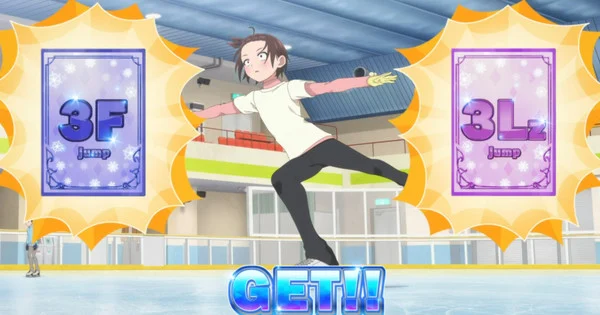
The episode opens with Inori trying out a harness to practice her new jumps, and to everyone’s shock — including her own — she masters them almost instantly. That early payoff flips the usual sports-anime script on its head: instead of endless repetition, the harness acts as a narrative shortcut that allows the story to move forward quickly. As other kids at the rink replicate similar gains, Tsukasa brings a harness into his coaching routine, but things go sideways when an accident leaves him with cracked ribs. The aftermath of that accident becomes the pretext for a short road trip to consult a jumping coach, and it’s during that drive where the episode really shines, revealing tender, revealing moments between the two leads.
Harness as a narrative device: a clever shortcut
Using the harness here feels like a deliberate choice to emphasize realism while avoiding formulaic pacing. The show acknowledges the oddness of an almost-instantaneous breakthrough — even lampshading it with humor — which keeps the moment from feeling like a lazy plot device. In a typical sports series, weeks of training and montages would follow. Medalist instead treats the harness like an optimization tool: realistic, effective, and narratively efficient.
Subverting sports-anime expectations
That subversion is one of this episode’s most interesting moves. By not dwelling on training, the series frees itself to focus on interpersonal stakes and subtle character development. This approach may disappoint viewers seeking prolonged technical grind, but it rewards those who appreciate relationship-driven storytelling and honest depictions of coaching tools as genuine game-changers rather than mystical shortcuts.
The accident: contrived drama or meaningful catalyst?
When Tsukasa trips on a dent in the ice and ends up with cracked ribs, the scene registers as one of the episode’s few missteps. The injury feels somewhat contrived — a plot-turn that exists mainly to produce a reason for the two characters to leave the rink together. Still, the aftermath is handled with emotional care. Inori’s sudden loss of confidence after witnessing Tsukasa hurt is believable, and the decision to take her to the jumping coach provides a logical route to restoring both her technique and her nerves.
Why the drama works despite the contrivance
Even if the inciting mishap is manufactured, the emotional truth that follows carries weight. The nervousness, guilt, and protectiveness shown by both characters are consistent with their previous arcs. What could have been a throwaway injury becomes a trigger for honest conversation and a rare moment of ordinary life between the two: long car rides, endless questions, and the small vulnerability of a piggyback ride.
Character focus: Tsukasa and Inori growing together
The emotional center of Episode 7 is the relationship between Tsukasa and Inori. The long drive to the jumping coach is a classic “slice of life” opportunity to let characters breathe. Inori barrages Tsukasa with questions and refuses to sleep, and Tsukasa, awkward but gentle, experiences parenting-like responsibilities. A short exchange about how warm Tsukasa’s body is while giving Inori a piggyback may seem small, but it’s a tender beat that affirms their bond and reframes Tsukasa’s self-doubt.
Tsukasa’s quiet arc
Tsukasa has long wrestled with the idea that he began skating too late to have real talent. This episode gently addresses that insecurity by showing him in a caretaker role that simultaneously reveals latent talent and confidence. Inori’s innocent praise — that he was “born to be a skater” — is the sort of simple validation that can mean a lot to someone who has spent years second-guessing themselves. The arc here doesn’t demand fireworks; it asks for small, believable wins, and largely gets them.
Visuals, direction, and tone
Medalist continues to balance realism and warmth in its direction. The harness scenes are staged with clarity — you can see the mechanics and the effects without the show needing expository heavy-handedness. The emotional beats are supported by subtle framing choices: close-ups on hands and faces during quiet conversations, and wider shots that underline the public nature of the rink versus the private intimacy of the car ride. The episode’s tone shifts — from humorous to tense to tender — are smooth and feel true to the characters rather than manipulative.
Where Episode 7 leaves Season 2
By skipping a drawn-out training arc, Episode 7 accelerates character development and primes the season for an emotionally resonant finale. Tsukasa appears more ready to accept his abilities, and Inori is set to regain confidence through coaching rather than rote practice. With the All-Japan event reportedly covered in an upcoming movie, the series can afford to keep the last televised episode introspective and character-focused. That choice may frustrate viewers expecting competitive spectacle, but it’s a smart move for a series that has always put relationships and human detail at its core.
Medalist Season 2 is currently streaming on Hulu and Disney+.
Final thoughts
Episode 7 of Medalist Season 2 is a small, smart installment that rewards viewers who appreciate character-driven storytelling in sports anime. While the harness shortcut and the later accident may feel like narrative conveniences, they ultimately facilitate meaningful moments between Tsukasa and Inori. The result is an episode that trades spectacle for heart, deepening the central relationship and steering both characters toward believable, satisfying growth. If the finale continues in this vein — blending human warmth with technical clarity — Medalist will stick its landing gracefully.