Taiyo Matsumoto’s early masterpiece Brothers of Japan (Nihon no Kyoudai) is finally getting an official English release — and it’s one of those rare manga reissues that promises to introduce a whole new generation to Matsumoto’s raw, poetic storytelling. Licensed by Manga Mavericks Books and scheduled for physical and digital release in February 2027, this updated edition revisits a 1995 short-story collection that blends youthful wonder with the bittersweet edge that defines Matsumoto’s best work.
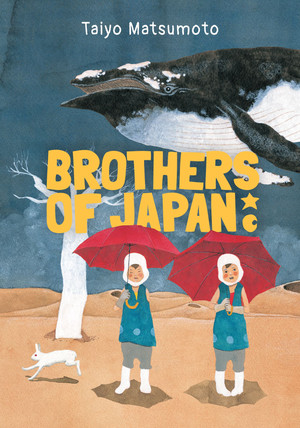
Table of Contents
What is Brothers of Japan?
Brothers of Japan is a short-story anthology by acclaimed mangaka Taiyo Matsumoto, first published in 1995 and later reissued in 2010 in an updated edition. The title piece — a deceptively simple tale about two brothers who dig a hole to reach the other side of the world — captures Matsumoto’s ability to transform youthful imagination into a visual and emotional journey. The anthology also contains several companion stories that explore childhood, alienation, friendship, and the quiet strangeness of everyday life.
About Taiyo Matsumoto: A Voice Unlike Any Other
Taiyo Matsumoto is widely celebrated for his distinctive art style and storytelling approach. Unlike many mainstream manga artists, Matsumoto blends loose, expressive linework with cinematic pacing and deeply human themes. His notable works include Ping Pong, Sunny, Tekkonkinkreet, and Cats of the Louvre — all of which have earned critical praise and helped cement his reputation as one of modern manga’s most singular voices. Brothers of Japan comes from Matsumoto’s earlier years (he created it in his 20s), and it contains the youthful experimentation and emotional honesty that make his later masterpieces so resonant.
Release Details: What to Expect from the English Edition
Publisher and Format
Manga Mavericks Books has announced that they will publish Brothers of Japan physically and digitally, with the English-language release slated for February 2027. The edition being released is based on the 2010 updated version, meaning readers will get the revised presentation Matsumoto prepared after the original 1995 debut.
Design and Translation Notes
While full design and translator credits will be revealed closer to release, readers can expect a faithful presentation that preserves Matsumoto’s visual rhythm and the anthology’s melancholic warmth. Given the careful curation of Manga Mavericks Books’ catalog, collectors should watch for a quality print run, possibly including clear type, faithful grayscale reproduction, and an introduction or notes that contextualize this early work in Matsumoto’s career.
Why This Release Matters
Brothers of Japan is not simply another reprint — it’s a chance for English-speaking readers to access a formative work by an author whose influence extends across comics and animation. For fans who discovered Matsumoto through Tekkonkinkreet or Ping Pong, this anthology offers a unique glimpse at his development as an artist and storyteller. For newcomers, Brothers of Japan functions as an ideal entry point: short, evocative, and emotionally direct.
- Historical significance: The book represents Matsumoto’s early experiments with form and tone.
- Artistic value: Expect imaginative layouts and raw, expressive artwork that predates his more polished later works.
- Accessibility: A physical and digital release makes the anthology available to collectors and casual readers alike.
Where to Preorder and How to Prepare
Preorders and retailer listings typically appear several months before release. To stay updated on preorder windows and special editions, check Manga Mavericks Books’ official site and major booksellers once announcements begin to roll out. You can visit the publisher’s information page for updates (link included below). If you collect translated manga, consider reserving a copy early — limited print runs or special dust jackets are common for boutique press releases.
Manga Mavericks Books — official site
Reading Recommendations: How to Approach Brothers of Japan
Brothers of Japan rewards slow, attentive reading. Matsumoto’s narratives often prioritize mood and subtext over plot mechanics, so give each story space to breathe: linger on panels, let the silence register, and pay attention to facial micro-expressions and panel rhythm. Reading the anthology more than once will reveal details and emotional subtleties you likely missed the first time.
Who should pick this up?
Fans of literary or arthouse manga, readers who enjoyed Matsumoto’s later works, and collectors of thoughtfully produced manga releases will all find value in this edition.
Collector Tips
If you’re a collector, look out for:
- Preorder exclusives like signed copies or special covers.
- Announcements of hardcover or deluxe editions (common for boutique releases).
- Print run notes — boutique publishers sometimes do single limited print runs.
Related Reading
To place Brothers of Japan in a wider context, fans might explore Matsumoto’s other major works — especially Tekkonkinkreet for an early magnum opus and Sunny for tender, melancholic tales of childhood. For background on Matsumoto’s career and influences, his profile on Wikipedia offers an overview of major titles and adaptations.
Final thoughts
Brothers of Japan arriving in English is a notable event for manga readers and collectors alike. This anthology offers both historical insight into Taiyo Matsumoto’s early career and a moving reading experience in its own right. Whether you’re already a devotee of Matsumoto’s singular voice or someone curious about literary manga outside mainstream shonen and shojo, the February 2027 release is one to mark on your calendar. Keep an eye on Manga Mavericks Books for preorder details and edition specifics — and prepare to be surprised by the strange, tender world that Matsumoto conjures from a simple idea: two brothers digging a hole to the other side of the world.