Maebashi Witches is a surprising modern spin on the classic magical girl formula — loud, messy, fashion-forward, and quietly earnest. What begins as a clumsy premiere quickly grows into a thoughtful series that uses music, style, and small acts of care to address real adolescent anxieties. If you give it a few episodes to find its rhythm, this convoluted coven rewards patient viewers with sharp character work, topical themes, and heartfelt payoffs.
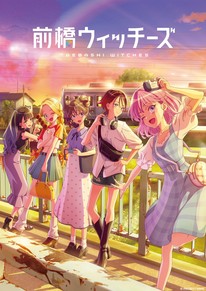
Maebashi Witches — Anime Series Review
Table of Contents
Why Maebashi Witches Deserves a Chance
On first watch, Maebashi Witches can feel like sensory overload: a motor-mouthed heroine, a wisecracking mascot, bold aesthetic choices, and an idol-style musical core. That initial disorientation is by design. The show rewards viewers who stick with it, revealing a steadying center beneath the chaos. The premise is simple and charming — Yuina Akagi is a high schooler who loves photos and cuteness; a talking frog recruits her and four other girls into a magical flower shop where they must earn 99,999 points by granting wishes through song, fashion, and empathy.
The Heart of the Show: Themes and Social Commentary
What elevates the series is how it tackles thorny, contemporary issues without devolving into preachiness. Rather than relying solely on monster-of-the-week beats, the Witches confront real social problems — bullying, influencer culture, body image, online predators, burnout, and parasocial relationships — and treat them with nuance. An early arc about body image and fatphobia stands out: instead of offering a simplistic moral, the show explores how internalized shame, professional pigeonholing, and peer pressure interlock, and how small acts of creative encouragement can create genuine change.
Empathy Over Fixes
One of the series’ guiding ideas is summed up by Yuina’s line: “But there are some things that can be solved without solving them.” That paradox captures the show’s practical magic ethos — witches in training who can’t fix every structural problem, but who can ease suffering in meaningful ways. Episodes often end on emotional, imperfect resolutions that feel more honest because they recognize the real limits of power.
Characters and Group Chemistry
On the surface the five witches begin as familiar archetypes, but the writing digs deeper. Each girl is given space to develop beyond her trope, and the series excels at connecting specific customer problems to particular members of the group. Yuina’s bubbly exterior hides surprising emotional layers; the dynamics between the girls — their support, frustrations, and private vulnerabilities — are what make the show consistently compelling. By the time major cliffhangers land, you care about these characters in a way the premiere might not suggest.
Mascot and Humor
Keroppe, the froglike mascot, provides a consistent comic counterpoint. His wisecracks and shady persona could have become grating, but the show uses him to puncture solemnity and to catalyze growth in the witches themselves. Humor and pathos balance nicely, giving the series a warmth that complements its social awareness.
Visuals, Music, and Localization
Visually the series is a mixed bag. Character designs aren’t revolutionary, but the show’s fashion sense and stylistic experiments — especially during concert sequences — are frequently inventive. 3DCG idol performances are present, and reactions to that choice will vary among viewers. Musically, the songs function as narrative denouements; they’re not avant-garde, leaning more toward polished idol-pop, but their lyrics often tie tightly to episode themes, making them emotionally effective.
Localization also helps: the translated lyrics and careful treatment of teenage slang make the central ideas accessible without flattening cultural nuance. Strong voice acting sells the characters’ personalities and brings energy to both quiet and bombastic moments.
Where the Series Could Be Bolder
Maebashi Witches includes casual queer representation — small but meaningful moments where characters reveal relationships or push back against gendered expectations. These touches feel natural, but the show sometimes pulls back from exploring these possibilities more fully. In addition, the final episodes move toward more definitive conclusions, sacrificing some of the earlier ambiguity that made the middle arcs so resonant. Still, those choices read less like mistakes and more like the limitations of a single-season run; the series leaves the door open for a second season that could expand its risks.
Production Notes Worth Mentioning
Fans of pop and fashion-forward aesthetics will appreciate the series’ visual ambitions, and while the idol songs may not break new musical ground, they succeed narratively. If you’re sensitive to uneven early pacing or to 3DCG sequences, give the show a few episodes — the payoff for patience is substantial.
Who Should Watch Maebashi Witches?
If you like magical girl shows that blend social commentary with quirky humor, or if you enjoy character-driven dramas with stylish performances, this series is worth watching. It’s especially recommended for viewers who appreciate stories that speak honestly to teenage life: the anxieties, the small kindnesses, and the messy ways friendships heal us.
Final thoughts
Maebashi Witches is a modern magical girl anime that rewards patience. What starts as chaotic charm evolves into a sensitive exploration of adolescence, identity, and the everyday work of caring for others. Its fashion sensibilities, strong voice work, and emotionally grounded arcs make it a hidden gem for viewers willing to look past an uneven premiere. If you’re ready for a show that mixes pop glitz with real tenderness, step into Maebashi’s backrooms — just trust me, it’s worth the trip.