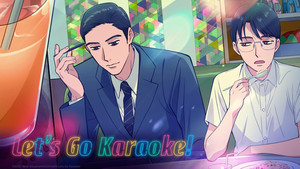
Let’s Go Karaoke! turns an absurd premise into a surprisingly warm and memorable short anime. With only five episodes, it leans on strong chemistry between its two leads, a playful yet offbeat sense of humor, and solid direction to deliver a music comedy that feels fresh—part buddy comedy, part coming-of-age drama, and entirely entertaining. Below we break down what makes this mini-series sing, where it stumbles, and why it’s worth a watch for fans of music-driven anime and oddball character pairings.
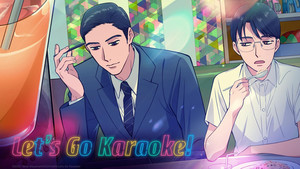
Satomi and Kyoji: an unlikely duo on a bizarre musical mission.
Table of Contents
Synopsis: An Unlikely Duo and a Yakuza Karaoke Contest
Satomi, haunted by a failed high school choir performance, stumbles into an unusual second chance when he meets Kyoji, a yakuza member with a soft spot for ballads and a perilous reason to win a clan karaoke contest. Kyoji hires Satomi to teach him to sing—failure means humiliation (and an absurd tattoo) while success promises honor in the gang world. From there, the series follows their rehearsals, cringe-worthy performances, and the odd, gradual friendship that forms between a guilt-ridden teen and a tone-deaf gangster.
Why Let’s Go Karaoke! Works
Characters and Chemistry
The heart of this show is the relationship between Satomi and Kyoji. Satomi’s insecurity and guilt provide emotional grounding, while Kyoji’s goofy confidence and surprisingly earnest desire to learn create charming contrast. The series uses their dynamic to generate both laughs and moments of genuine warmth—Kyoji oscillates between being an intimidating yakuza and a big-brother figure, which keeps the emotional stakes interesting despite the short runtime.
Humor That Balances Absurdity and Heart
What could easily become mean-spirited is tempered by self-aware comedy and affectionate character beats. The show nails a tone that lets the premise be ridiculous (tattoos, mafia karaoke stakes, off-key ballads) without sacrificing the empathy needed to root for the protagonists. Visual gags—like Satomi’s Simon Cowell-esque reactions to yakuza singing attempts—land consistently because they arise organically from character interactions rather than forced punchlines.
Direction, Editing, and Visual Detail
Director Asami Nakatani guides the short series with snappy editing and confident pacing. Quick cuts, strong reaction shots, and well-timed comedic beats keep momentum moving even when the plot is minimal. The art direction offers pleasing detail; backgrounds and expressions are rendered with care, helping the show feel larger than its five-episode length.
Music and Performance: The Core of the Show
At its center, this is a music anime—except its music is intentionally messy at times. Kyoji’s off-key attempts are played for both comedy and vulnerability: his failures expose a softness beneath the tough exterior and make eventual improvements emotionally satisfying. The series cleverly uses specific song choices (big dramatic ballads) to amplify both the comedic dissonance and the catharsis when things click.
Limitations: What the Series Couldn’t Fully Explore
With just five episodes, there’s limited time for deep character change. Satomi and Kyoji don’t undergo huge transformations; instead, they find small shifts in confidence and trust. Some viewers may wish the series explored side characters, the yakuza world, or the aftermath of the contest more thoroughly. Still, the short format also keeps the show brisk and focused, avoiding filler and embracing a concise tone.
Pacing Constraints
The compressed runtime means certain beats are abbreviated—some emotional payoffs feel earned but short-lived. If you’re someone who favors long character arcs and slow-burning development, this might feel slight. For viewers open to concise storytelling with a strong central relationship, the series delivers.
Who Should Watch Let’s Go Karaoke!
If you enjoy music-focused anime that subvert expectations, character-driven comedies with odd pairings, or short-form series that get straight to their point, this is a great pick. Fans of quiet, character-centric storytelling who also appreciate goofy premises will find a lot to like here. The show is especially recommended for viewers who enjoy offbeat tonal blends—sentimental one moment, wildly absurd the next.
For additional background on the author and related works, see Yama Wayama’s broader bibliography and author profile on Wikipedia. For episode details and community discussion, you can check the series’ entry on MyAnimeList (both links are provided as external references). Yama Wayama — author profile · MyAnimeList — series page
Final thoughts
“Let’s Go Karaoke!” is a short, sweet, and surprisingly effective experiment in tonal mash-up—part music anime, part buddy comedy, and part absurdist sketch. It doesn’t have the time to reinvent character drama, but it uses its limitations to remain focused, funny, and emotionally honest. If you’re looking for a compact series with charming leads, strong comedic timing, and a fresh take on music-driven storytelling, this one deserves a spot on your watchlist.