Setting the Scene: The End of Evangelion’s Impactful Moments
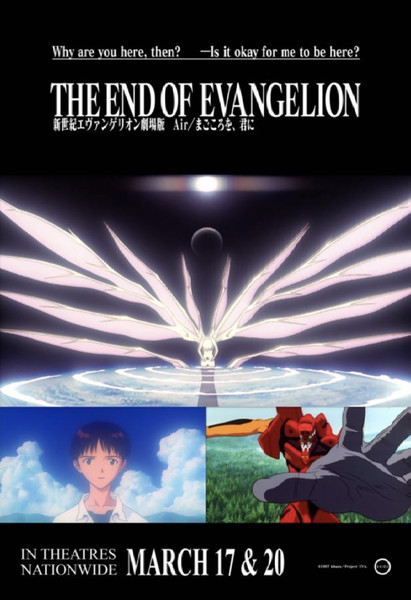
The End of Evangelion is a film that has left an indelible mark on fans and newcomers alike, with scenes that continue to evoke strong emotions and provoke contemplation. As part of the ‘Monthly Eva: Evangelion 30th Movie Fest,’ its re-release serves as a powerful reminder of its profound narrative and complex character dynamics.
Table of Contents
A Glimpse Into a Haunting Scene
The film presents a poignant scene between key characters Shinji Ikari and Asuka Langley Sohryu. It opens with dialogues reflecting deep emotional turmoil. Unidentified voices converse, providing cryptic yet revealing lines—“It’s OK, Mom. It’s OK to go to Dad,” and “You can live forever if you’re with the Eva.” This dialogue sets a tone of desperation and longing, resonating with themes of loss and the human condition.
Character Exploration Through Symbolic Actions
Shinji’s creation of graves for those who perished highlights his survivor’s guilt and unending sorrow. The action of building graves is symbolic of his need for closure, yet the ruined state of Asuka’s grave suggests unresolved emotions and perhaps his struggle with forgiveness—either towards Asuka or himself.
The dialogue intensifies, with a proclamation, “Live. If you die alone, I will never forgive you.” This line encapsulates a desperate plea for connection amidst isolation. The physical struggle that ensues is a physical manifestation of these internal battles, climaxing in a scene where Shinji chokes Asuka, only for her to gently touch him. Her words, “There’s no way I’d let you kill me,” serve as both a declaration of resilience and a testament to the complexity of their relationship.
The Cultural Relevance of Evangelion
Re-releasing The End of Evangelion as part of a film festival underscores its lasting impact on pop culture and its relevance even decades after its initial release. It invites both old fans and new audiences to experience its rich storytelling and character exploration in theaters.
Fans eagerly anticipate the return of the Rebuild series between November 14 and February 19, 2026, a testament to the franchise’s enduring popularity and the deep connection it fosters with its audience.
Exploring Themes of Life, Death, and Connection
The movie dives deep into existential themes. It challenges viewers to contemplate life, death, and the human necessity for connection. Shinji and Asuka’s interactions reveal how companionship can be both a source of healing and a battleground for personal demons. The film daringly portrays these interactions with raw honesty, leaving audiences to ponder their own relationships and humanity.
Final Thoughts
The End of Evangelion continues to captivate and mystify, with its rich narrative and complex character interactions. The film not only challenges conventional storytelling but also succeeds in evoking a wide range of emotions. Its re-release serves as an opportunity for reflection on its enduring themes. As the Evangelion series continues to unfold, its exploration of life’s most poignant questions remains as relevant as ever.
For further insights into the cultural impact of anime, visit Anime: A Reflection on Society.