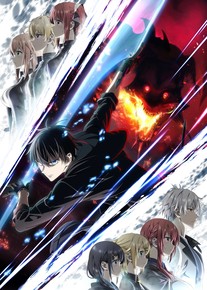
Jack-of-All-Trades, Party of None is a quietly effective entry in the “banished from the hero’s party” sub-genre of fantasy anime. It pairs a familiar setup with surprisingly thoughtful character work, slow-burning mysteries, and genuinely exciting action set pieces. If you’re looking for a non-isekai fantasy series that balances emotional stakes with dungeon-crawling spectacle, this show is worth a look—even if it takes a while to step out of its trope-heavy shadow.
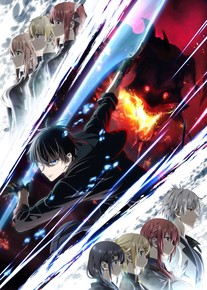
Jack-of-All-Trades, Party of None — Orhun Dura returns to the dungeon as a sword-and-spell hybrid.
Table of Contents
Synopsis — The set-up that pushes the story forward
Orhun Dura started out as one of the strongest swordsmen in the Hero Party, but when the team needed an enchanter to survive deeper dungeon floors he reluctantly shifted roles. Despite innovating new magics and maximizing his support capabilities, his party discards him in favor of a high-profile enchanter. Cast out and emotionally wounded, Orhun reclaims his life by reverting to swordsmanship and tackling the dungeon solo, blending martial skill with enchanted techniques to become a uniquely dangerous warrior.
Themes and character dynamics
Betrayal, healing, and identity
At its core, the series is less about sheer power escalation and more about emotional recovery. Orhun’s banishment is personal—tied to childhood trauma and a shared vow with his former friend Oliver—so the show spends a lot of time exploring what it means to be betrayed by someone you trusted. Rather than turning Orhun into a one-note revenge machine, the narrative follows his gradual healing as he trains younger adventurers and forges healthier bonds.
The tricky Caroline subplot
One of the show’s most polarizing choices is how it handles Caroline, an abused youth with severe PTSD whom Orhun mentors. While her survival arc and motivation—to keep people smiling—are well-intentioned, some scenes cross an uncomfortable line when Orhun uses her trauma as a teaching tool. That approach raises ethical questions about consent and emotional safety, and it’s a plot beat that may leave some viewers uneasy.
Plot mechanics — Tropes, hooks, and pacing
The series opens with familiar beats: the brilliant-but-overlooked protagonist, the ostensible “hero” who fails to appreciate him, and the inevitable exile. For the first several episodes that familiarity can feel checklist-driven. But as the season progresses, the show slowly expands into original territory. Multiple long-running mysteries—Orhun’s missing memories, Philia’s manipulations, and a shadowy cult tied to the origin of dungeons—add compelling hooks that promise more than a simple weekly dungeon romp.
A particularly smart recurring device is the Black Dragon: as a dungeon monster that keeps respawning, it functions both as a barometer for Orhun’s strength and a credible, ongoing threat for supporting characters. The dragon’s return appearances keep stakes feeling fresh instead of disposable.
Animation, action, and sound design
Visually, the show isn’t aiming for art-house beauty, but it delivers where it counts. The series mixes 2D and 3D animation, and while the transitions are sometimes noticeable, the 3D choreography elevates the big fight scenes—most notably Orhun’s confrontations with the Black Dragon. Those battles are fast, fluid, and suitably cinematic.
Musically, the soundtrack is competent rather than memorable. It supports mood and momentum without ever becoming a standout element. In short: the animation and sound do the job of underscoring emotional beats and action rather than stealing the spotlight.
What works well
- Character-driven focus: Orhun’s emotional arc gives the show heart beyond the usual revenge or power-up beats.
- Longevity hooks: Multiple unresolved mysteries set up an intriguing second season.
- Action choreography: When the series leans into big set pieces, it delivers satisfying, kinetic combat.
What holds it back
- Trope-heavy opening: The initial episodes follow predictable patterns that may frustrate viewers seeking originality from the start.
- Tone-deaf handling of trauma: Caroline’s arc and how Orhun “trains” her can feel exploitative or mishandled.
- Slow payoff: The show builds slowly—viewers who want immediate answers or faster plot progression may grow impatient.
Who should watch Jack-of-All-Trades, Party of None?
If you enjoy non-isekai fantasy with strong character work—especially protagonists who find strength through mentorship and community—this series has a lot to offer. Fans of the “banished from the hero’s party” sub-genre will find familiar pleasures here, and viewers willing to stick past the trope-heavy opening will be rewarded by richer worldbuilding and mounting mysteries. If you prefer tightly plotted, fast-revealing narratives, this might not be your top pick.
For background reading on similar fantasy anime and to compare community lists, sites like MyAnimeList can be helpful for discovering companion titles and fan reactions.
Final thoughts
Jack-of-All-Trades, Party of None is a series that grows on you. It begins as a textbook example of a familiar sub-genre but gradually carves out its own identity through thoughtful character arcs, an effective recurring antagonist in the Black Dragon, and several intriguing mysteries that hint at a larger, darker story behind the dungeons. The show is imperfect—its handling of trauma and a slow start are real flaws—but if you’re patient and invested in character-driven fantasy, it’s a rewarding watch and a promising foundation for future seasons.