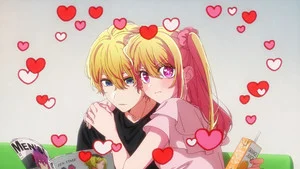
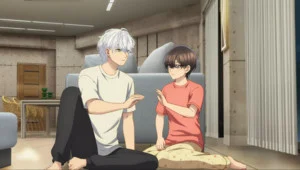
In episodes 5–6 of In the Clear Moonlit Dusk, the series leans into familiar shōjo territory: awkward emotions, performative gender roles, and a jealousy arc that reshuffles the characters’ dynamics. These installments pick up the slow-burn courtship between Yoi and Ichimura, but they also expose the show’s anxieties about identity and expectation—often in ways that feel more conventional than surprising. Below I break down the plot beats, the character choices, and what the show’s recurring tropes mean for viewers trying to read beyond the surface.
Table of Contents
Plot recap: Episodes 5–6
After the gyoza date, Yoi is emotionally unsettled and begins performing a kind of princely gallantry around the girls at school—an avoidance tactic that raises more questions than it answers. The family restaurant hires a handsome new employee named Ooji (a playful homophone with the Japanese word for “prince”), who shows kindness and courtly manners. He compliments Yoi and sparks visible jealousy in Ichimura, who begins to act out in petty, attention-seeking ways.
Yoi confides in her older sister rather than her friends; the sister’s advice is blunt and pragmatic—accept attraction based largely on looks if it makes your heart flutter. Distracted and flustered, Yoi nearly burns down the home economics classroom while trying to prepare a muffin for Ichimura. The episodes end on the typical shōjo note of emotional confusion and unresolved romantic tension.
Character analysis: Yoi’s “princeliness”
What is she performing?
Yoi’s impulse to act princely—gallant, protective, and outwardly confident—functions as a defense mechanism. It’s a way to reframe her internal turmoil into a socially legible role. The series signals that when romantic feelings arrive, she defaults into recognizable gendered behavior: being caretaking, demure, and “girlish.”
Conscious choice or unconscious role?
There’s textual evidence for both readings. On one hand, Yoi seems to be deliberately distracting herself from romantic confusion by adopting a persona. On the other, the rapidity with which she slips into stereotypical femininity suggests an unconscious regression toward culturally learned scripts about what it means to be desirable. The show never fully interrogates that dissonance, which feels like a missed opportunity for deeper character exploration.
Jealousy as a shōjo trope: Comfort or cautionary tale?
Episodes 5–6 lean hard on jealousy as proof of romantic investment: Ichimura’s sulks and performative anger are treated as signs that he cares. This is familiar to shōjo audiences, where jealousy often functions as emotional proof. But outside the fantasy framing, those displays read as insecure and sometimes controlling behavior.
Scholarly and popular discourse treats jealousy in multiple ways—ranging from insecure attachment to culturally patterned expressions of care. For further reading on the psychological angles of jealousy, you can consult general resources such as Psychology Today’s coverage of jealousy (rel=”nofollow” target=”_blank” href=”https://www.psychologytoday.com”).
Is the trope culturally rooted?
Yes. In cultures where same-sex friendships are intensely prioritized (including many contexts in Japan), romantic jealousy can be framed differently than in strongly heterosocial settings. That cultural lens helps explain why Ichimura’s jealousy is narratively legible to the show’s world, even if it feels uncomfortable from a contemporary, critical perspective.
Gender performance and the show’s messaging
One recurring frustration in these episodes is the implication that romantic interest naturally reactivates traditional gender performances. When Yoi likes Ichimura, she becomes more “girlish”; when Ichimura is jealous, he becomes more demonstrative. The series treats those shifts as natural and even desirable, rather than as roles open to critique or reinvention.
For viewers interested in gender theory, this is a thin treatment. The show flirts with potentially interesting questions about identity—why someone would perform masculinity or femininity—but it rarely follows through. Instead, it often defaults to comforting shōjo formulas that reward recognizable behaviors rather than messy, nonconforming choices.
Supporting elements: pacing, humor, and visuals
Pacing in these episodes leans toward the leisurely, with many scenes dedicated to small domestic moments—restaurant orders, school life, and brief awkward interactions. The show’s art style and direction remain pleasing: soft palettes, expressive faces, and deliberate framing that highlights the emotional beats. Humor is undercut by the characters’ internal panic, which keeps the tone closer to slice-of-life introspective than outright rom-com levity.
Discussion prompts for viewers
- Does Ichimura’s jealousy make him more sympathetic or less? Where is the line between romantic intensity and emotional immaturity?
- Is Yoi’s return to traditional femininity an authentic expression or a performance triggered by anxiety? How would the scene change if Yoi chose a different reaction?
- How does the show handle the difference between fantasy (jealousy as passionate proof) and real-world relationship health?
Where to watch
In the Clear Moonlit Dusk is available to stream on platforms with regional licensing. For viewers in many territories, the series is currently streaming on Crunchyroll (rel=”nofollow” target=”_blank” href=”https://www.crunchyroll.com/series/GT00334040/in-the-clear-moonlit-dusk”).
Final thoughts
Episodes 5–6 of In the Clear Moonlit Dusk reinforce the series’ core strengths—warm visuals, low-key humor, and an empathetic lead—while also exposing its limitations. The show indulges shōjo conventions without interrogating them, leaning on jealousy and gendered performance as predictable narrative engines rather than opportunities for deeper character work. Fans of classical romantic drama will find familiar pleasures here; viewers hoping for a more nuanced take on gender and emotional complexity may come away wanting. Either way, these episodes continue the slow, sometimes frustrating emotional choreography that defines the series.