Episode 13 of Go For It, Nakamura-kun!! closes the season on a quietly bittersweet note that balances loneliness, small victories, and a sense of acceptance. Rather than sending the show off with an all-or-nothing romantic breakthrough, the finale leans into character nuance: Hirose’s insecurities are revealed, Nakamura learns to temper obsession with contentment, and the series leaves the door slightly ajar for the future. This review unpacks what worked, what didn’t, and why the ending feels fitting even if it isn’t fully satisfying.
Table of Contents
Episode recap: a subdued, character-driven finale
The episode opens with the lingering loneliness that dominated the previous installment, then shifts into a plotline about Hirose getting and subsequently losing a girlfriend. The series uses the breakup not to create melodrama, but to expose Hirose’s inner doubts — he’s upset not because of the relationship itself, but because the reason for the split cuts at his self-image. Nakamura’s response is simple but telling: instead of forcing a bold confession, he supports Hirose in a way that reveals how well he understands and admires him.
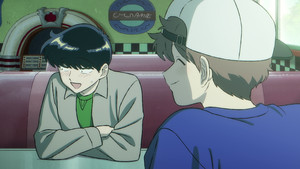
The middle portion of the episode focuses on a “friends’ date” between Nakamura and Hirose that strikes the right balance between sweetness and ambiguity. It isn’t overwrought with romance, but the scene does show how Hirose can open up around Nakamura in ways he doesn’t with others. The finale closes with graduation/advancement and Nakamura arriving at a healthier place: content with the relationship’s form, whether it deepens romantically or remains a treasured friendship.
Hirose: revealing cracks behind the calm
One of the stronger aspects of this episode is how it uses the breakup to highlight Hirose’s complexity. Throughout the season, Nakamura’s daydreams create an image of Hirose that’s almost pedestal-like, but the finale shows the more vulnerable side of him — the part that interprets a breakup as a reflection of his worth. That insecurity gives the story emotional heft and makes Hirose more than just a romantic target; he becomes a person with fears and unrealized interiority.
That said, the series only occasionally dives into these moments. Aside from the school trip and this finale, Hirose rarely gets sustained exploration. The payoff here is effective, but it also accentuates a missed opportunity: more scenes like this would have deepened the relationship and made the ending feel earned rather than convenient.
Nakamura’s arc: learning to accept
Nakamura’s growth is the emotional centerpiece of the finale. The arc resolves not in conquest — “winning” Hirose’s heart — but in acceptance. He stops obsessing over being Hirose’s number one and instead becomes comfortable with whatever the relationship becomes. That maturity fits the character well and avoids a cheap romantic climax. The series title might suggest relentless pursuit, yet the final beat reframes the meaning of “going for it”: sometimes putting yourself out there also means letting go.
Tone and pacing: inconsistent but occasionally charming
One persistent issue throughout the season — and visible in the finale — is tonal inconsistency. The show oscillates between sincere emotional drama and gag-driven, retro-styled comedy. At best, that juxtaposition creates surprising charm: quiet character beats followed by oddball humor can work in short bursts. At worst, the shifts undercut emotional investment because the series sometimes feels like it’s uncertain what it wants to be.
Pacing also suffers; certain episodes take the time to build intimacy while others rush through development or lean on comedic set-pieces that don’t advance the characters. The finale attempts to unify the quieter and lighter sides of the show, and largely succeeds, but it also highlights how uneven the season has been.
Visuals and performances: small moments that land
Animation and voice performances deliver some standout moments. The friend-date scene is handled with tender timing and facial beats that convey more than dialogue. Nakamura’s subtle expressions when he realizes he doesn’t have to chase validation are especially well-acted, and the show’s quieter direction allows those small gestures to carry weight. Conversely, a few episodes earlier in the run leaned too heavily on caricature and sudden visual gags that diminished emotional stakes.
Standout scenes
- The post-breakup conversation where Hirose admits how hurt he felt by the reason for the split — it reframes him as layered and insecure.
- Nakamura pulling Hirose out of a slump and the subsequent low-key outing — a gentle, believable bonding moment that avoids melodrama.
- The final acceptance scene following the class advancement — a quiet but satisfying conclusion to Nakamura’s arc.
Sequel prospects: is there more to tell?
The finale offers a mild tease that a second season could be possible, but it’s unclear how much source material remains to adapt. The show worked best when it focused on small emotional beats and allowed characters to breathe, so another season could be rewarding if it prioritizes depth over gimmicks. Until then, fans can stream the series on Crunchyroll for reference and rewatch value (Crunchyroll – Go For It, Nakamura-kun!!).
About this review’s author: Bolts occasionally discusses retro anime and related media on Twitch — a good source for complementary commentary (Bolts The Mechanic on Twitch).
Final thoughts
The finale of Go For It, Nakamura-kun!! doesn’t tie everything up neatly, and that’s part of its strength. By choosing a quieter, more introspective resolution, the series honors the emotional truths of its protagonists without resorting to a predictable confession or dramatic climax. It’s imperfect — uneven tone and limited exploration of secondary emotional beats hold the season back — but the core character moments are genuine and resonant. If you enjoyed the show’s delicate charm and character-focused storytelling, the finale offers a satisfying, mature endpoint that still leaves room for hope.