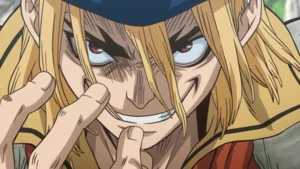
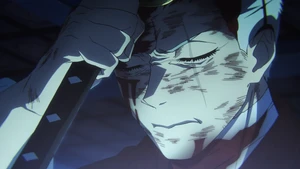
Episode 8 of Akane-banashi stands out as a pivotal installment that both celebrates rakugo’s heritage and asks important questions about how traditional arts adapt for modern audiences. By dedicating the entire runtime to Karashi’s adapted rakugo performance, the episode slows the pace in service of atmosphere, character development, and theatrical tension—an artistic choice that ultimately pays off.
Table of Contents
Why dedicating a full episode to Karashi matters
On paper, devoting an entire episode to an opponent’s performance can feel like a risky pacing move. But in practice, this choice clarifies the stakes: Akane is not the only rising star, and her rivals are multidimensional performers with techniques, personalities, and histories of their own. Letting Karashi take center stage allows the audience to fully absorb his interpretation, understand why the judges react as they do, and feel the pressure Akane will face in future rounds.
Pacing and narrative payoff
Shortening or compressing Karashi’s act into a montage would have sacrificed much of the episode’s emotional and comedic payoff. Instead, the slow-burn approach builds tension organically. We see the crowd, the judges, the changing reactions—each beat matters. The episode’s measured rhythm communicates that rakugo, as an art form, deserves the time it takes. This also establishes a tonal precedent for the series: performances are events, not mere plot devices.
Tradition vs. adaptation: the thematic core
At its heart, Episode 8 wrestles with a classic cultural dilemma: how do you honor a tradition without letting it fossilize? Rakugo has centuries of history embedded in its stories, formatting, and performer rituals. Part of the craft is preserving the context and cadence that originally made these tales land. But traditions that remain static risk alienating newer audiences.
Questions the episode asks (without forcing answers)
- Is preserving historical context the same as preserving cultural relevance?
- Can adaptations that modernize language, perspectives, or pacing still be authentic?
- Who gets to decide what counts as “true” rakugo?
The show smartly avoids a heavy-handed answer. Karashi’s adaptation is shown with respect and humor, and viewers are left to judge whether his choices honor or dilute the story. That ambiguity is one of the episode’s strengths: it invites discussion rather than dictating a single viewpoint.
Animation and directorial flourishes that sell the performance
The episode is full of small, confident animation choices that emphasize character and timing. Visual metaphors—like Karashi silhouetted within the very conversations he narrates—make the performance cinematic while staying faithful to the intimate feel of rakugo theater. Other playful touches, such as giving every story character Karashi’s distinctive teeth or the exaggerated mat-POV butt-wiggle shot, provide comic relief and emphasize the performative nature of the art.
How visual choices enhance comedic beats
Rakugo relies heavily on timing and the performer’s ability to shift between personas using posture and voice alone. The animators reinforce this by changing framing, face designs, and animation speed to mirror Karashi’s vocal and physical shifts. These techniques are not just stylistic—they’re functional, translating the live immediacy of rakugo into a medium where camera angles and editing become part of the storyteller’s toolkit.
Character implications and future direction
By spotlighting Karashi, the episode deepens the competitive landscape. Akane’s arc gains urgency: she cannot rely solely on raw talent or sympathy; she must sharpen her craft and develop her own interpretive voice. Karashi’s success in this round reframes him not as a mere foil, but as a legitimate contender whose choices will inform how Akane grows as a performer.
What this says about Akane’s journey
Because the series so thoroughly dramatizes rival performances, Akane’s growth will likely be informed by more than just wins and losses. Expect future episodes to interrogate technique, audience expectations, and the ethics of adaptation. The show signals that trophies aren’t the only measure of success; influence, innovation, and authenticity also matter.
Why this episode works for both newcomers and rakugo fans
For viewers unfamiliar with rakugo, the episode serves as an accessible primer: it highlights the form’s mechanics and why audiences respond to certain choices. For fans of traditional rakugo, the episode offers a respectful and nuanced depiction of the art, acknowledging its history while exploring contemporary tensions. This balance broadens the series’ appeal without oversimplifying the subject matter.
For more background on rakugo’s history and performance style, see this overview: Rakugo on Wikipedia.
Standout moments
- The opening quietness before Karashi begins, which amplifies every sound and whisper in the theater.
- The visual gag choices—silhouettes and shared character traits—that turn narrational beats into memorable images.
- The judges’ alternating expressions of amusement, confusion, and admiration, which give weight to the competitive stakes.
Production choices that deserve praise
Putting a single performer front and center for a full episode is a narrative risk that the creative team handles with care. This decision respects the source material and trusts the audience to invest in a performance-driven story. The episode’s sound design, pacing, and animation all collaborate to make Karashi’s act feel live and immediate, a testament to the production’s confidence in the material.
Where this episode positions the series
Episode 8 suggests that Akane-banashi will continue as much about the craft of rakugo as it is about the protagonist’s emotional journey. Future episodes that mirror this attention to rival performances and the complexities of tradition-versus-modernity will likely keep the series compelling and thematically rich.
Akane-banashi is currently streaming on YouTube.
Final thoughts
Episode 8 of Akane-banashi is a confident, well-crafted installment that rewards patient viewing. By centering Karashi’s adapted rakugo performance, the show deepens its exploration of tradition, adaptation, and artistic integrity while delivering sharp animation and memorable visual gags. It’s an episode that respects the art it depicts and elevates the series’ stakes—one that encourages viewers to listen closely and judge for themselves.