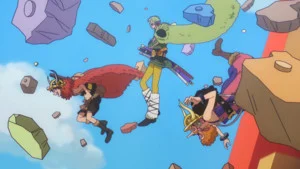
Episode 12 of Daemons of the Shadow Realm shifts gears from intimate character beats to broader political maneuvering, using the fallout from recent attacks to deepen world-building and expose fractures within rival factions. While the episode gives brief nods to Yuru and Asa’s personal histories, its primary mission is to reveal how different power players react to chaos—and to raise uncomfortable questions about the durability of the systems that have kept the world stable so far.

Table of Contents
Quick Recap: What Happens in Episode 12
The core of this episode is investigative and expository. The Kagemori faction probes how kidnappers managed to enter a supposedly sealed compound via a “non-existent” western gate; Asuma debates strategy with a splinter-figure uncle; and we finally get an on-the-ground view of Higashi Village courtesy of Ivan’s infiltration. The episode balances intelligence-gathering scenes with revelations that complicate previously accepted rules—especially around barriers, Daemon sensing, and who can be trusted.
World-Building: Barriers, Gates, and the Illusion of Security
One of the most compelling outcomes of episode 12 is how it challenges earlier assumptions about security. After Asa’s shocking raid in the early episodes, one would expect villages like Higashi to fortify themselves—with visible Daemon users protecting leaders or bolstered detection measures. Instead, the anime reveals a bizarre complacency: the barrier remains the primary defense, and that barrier can be bypassed in previously surprising ways.
The Gate Mystery
The investigators find traces indicating a gate was created and then erased. The Kagemori team’s dismissal of Hikaru as a suspect—despite his lack of an alibi—rests on a strange technicality: newly redrawn reality appears monochrome for a while. But in the dark of night, monochrome is indistinguishable from normal, which makes dismissing him as a suspect feel flimsy and raises questions about how thorough the faction’s procedures really are.
Ivan and the Barrier Loophole
Ivan’s infiltration—by hiding inside Yama’s body—effectively demonstrates that the barrier’s protection is not as airtight as believed. If outsiders can get in this way, then either the barrier is easily circumvented under certain conditions or previous security failures were due to political decisions rather than technological limitations. Either way, the episode reframes the village’s vulnerability as not just a tactical issue but an institutional blind spot.
Faction Politics: Kagemori, Splinters, and Internal Friction
Episode 12 makes it clear that “the Kagemoris” are far from a single, unified force. Asuma’s conversation with his uncle exposes disagreement over how to handle the twins, indicating splintered priorities and loose chains of command. These fissures add narrative richness: the power struggle is not just between distinct factions, but within them as well.
Why Internal Division Matters
Factional disagreement explains why defensive measures can be inconsistent. If leaders disagree about whether the Higashi Village deserves protection—or if they underestimate the threat from rogue actors—then security becomes a political choice rather than an obvious necessity. This helps explain the episode’s tone: it isn’t just showing incompetence, it’s revealing competing incentives and priorities.
Character Beats: Asa, Yuru, Hikaru, and Ivan
Although this episode de-centers Yuru and Asa’s personal storyline, it still uses what we know about them to highlight systemic problems. Asa’s previous display of power—leading a paramilitary-style assault—proved the Kagemoris are capable of decisive violence. Yet now, despite that precedent, Higashi hasn’t been hardened against repeat attacks.
Hikaru’s Suspicion
Hikaru’s situation is a clever piece of storytelling: the redrawing quirk that should make him suspicious instead becomes a convenient alibi in-universe. This invites viewers to question whether the Kagemori leadership is genuinely thorough, or whether they selectively choose scapegoats and heroes.
Ivan’s Role and Possible Motives
Ivan’s easy passage raises two pressing questions: what are his objectives, and who benefits from his infiltration? The episode ends with enough ambiguity to keep viewers guessing—he’s either a harbinger of a wider plot to destabilize the balance of power or a single actor testing the limits of the system.
Higashi Village: An Underpowered Player?
The show’s depiction of Higashi Village in episode 12 suggests it may not be a major force in the broader daemon politics, at least not in conventional terms. Aside from Hana, we haven’t seen significant combat-oriented Daemon users from the village. The revelation that some villagers were aware that Yuru needed to die to attain Seal further complicates the village’s moral and strategic position—are they victims, conspirators, or simply pawns?
The apparent lack of defensive buildup after the initial assault implies either negligence or strategic restraint. The anime teases that the Kagemoris might have let Higashi remain exposed by choice—possibly because they prefer to keep certain issues contained rather than escalate open conflict.
Themes and Narrative Direction
Episode 12 leans into themes of secrecy, institutional inertia, and the consequences of anonymity. Characters like Dera and Hana may have survived precisely because they were overlooked; once a location becomes relevant, it is suddenly exposed and vulnerable. The episode expertly uses political infighting and procedural oversights to create tension that’s less about single battles and more about systemic collapse.
Questions Raised for Future Episodes
- Will the Kagemori leadership act on the newfound weaknesses, or will internal politics prevent decisive change?
- What are Ivan’s true motives, and how will Higashi respond when the full scale of the infiltration becomes known?
- Are barrier bypasses a rare exploit, or have they been hiding in plain sight all along?
Where to Watch
Daemons of the Shadow Realm is available for streaming—find the series on platforms such as Crunchyroll. For more background on the source materials and production credits, see the official publisher and production notes from SQUARE ENIX (official pages and credits often include episode-specific staff listings).
Final Thoughts
Episode 12 is a structurally smart chapter that trades immediate emotional payoff for long-term payoff: it complicates the show’s rules and forces us to re-evaluate alliances, competence, and the true locus of power. By exposing the gap between ostensible defenses and real vulnerabilities, the episode raises the stakes heading into the next arc. If the writers continue to exploit factional tension and systemic blind spots, the series could turn political intrigue into as compelling a force as its fight scenes.