Needy Girl Overdose continues to push its boundaries in episode 9, delivering emotional hits and thematic clarity even when its ambitious direction occasionally stumbles. This instalment leans into the show’s strengths—raw character work, blunt depictions of mental health struggles, and a playful yet heavy use of references—while exposing a few weaknesses in action staging and visual pacing. Below I break down the episode’s biggest moments, analyze what worked and what didn’t, and explain why this series remains one of the most affecting and daring anime of the season.

Table of Contents
Episode 9 Recap: Confrontation, Collapse, and Tough Choices
Episode 9 centers on a volatile classroom confrontation: Kache forces Michica to face her substance abuse, self-harm, and spiraling isolation. Rather than opting for a subdued conversation, the episode literalizes the emotional conflict into a physical altercation—complete with dramatic blocking, rapid edits, and mixed-media flourishes. The fallout arrives quickly: Michica’s breakdown is portrayed with blunt honesty, and the fallout ripples through the group dynamic, forcing each character to reevaluate how and where they expend emotional energy.
Visuals and Direction: Big Swings That Sometimes Miss
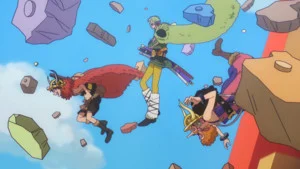
Visually, Needy Girl Overdose has been the show to watch because of its energetic creative direction and fearless editing. This episode doubles down on style, but that choice reveals a weakness: the studio handling the animation, Yostar Pictures, appears less confident when asked to stage a grounded, kinetic fight. The classroom brawl aims for maximal expressionism, but its choreography and blocking occasionally undermine the emotional beats it intends to highlight. Quick cuts, on-screen text, and an overload of visual stimuli make it tough to parse both the dialogue and the body language simultaneously—especially for viewers following the subtitles.
Where the visuals succeed
When the episode slows down—most notably during Michica’s quiet crashes—the direction is striking. The show shines in capturing the hollow aftermath of being adored yet utterly lonely. Those quieter moments are where mixed media and deliberate framing elevate the material, making Michica’s pain feel tangible rather than melodramatic.
Where the visuals falter
The physical confrontation’s execution is less consistent. Rather than building tension through carefully staged animation, the sequence relies on stylistic bursts that sometimes obscure emotional clarity. It’s a reminder that audacious design needs complementary staging to land as both spectacle and story.
Thematic Focus: Mental Health, Boundaries, and Community
At its core, episode 9 reinforces the series’ brave approach to difficult topics. Needy Girl Overdose doesn’t shy away from the reality of self-harm, addiction, and the unique loneliness of people who live in the spotlight. Michica’s emptiness—being envied by many yet supported by few—feels genuine and devastating. The show resists the temptation to make this a quippy “privilege” problem; instead, it interrogates how adoration can hollow out someone and how social media-era fame complicates authentic connection.
Boundaries and who we can help
One of the episode’s most mature threads is the conversation about emotional limits. Lollipop’s decision to turn away from Ame—because Ame doesn’t want to change—hits like an essential lesson for viewers: empathy doesn’t require self-sacrifice. The show underscores that you can only help people who want help, and even the most giving individuals must protect their mental health by setting boundaries.
Character Work: Growth, Compassion, and Friction
Character development remains the heart of this episode. Kache’s direct intervention shows a confrontational but ultimately caring approach to supporting a friend, whereas Lollipop’s refusal to be consumed by Ame highlights a pragmatic, protective approach to relationships. Michica’s breakdown is the emotional fulcrum; seeing her implode after being propped up as someone to envy is one of the series’ strongest portrayals of how public personas can mask private pain.
Polycule dynamics and queer representation
The show’s streaming culture/polycule relationships continue to be a welcome, layered portrayal of queer life. The members care for one another in different, sometimes conflicting ways, which feels more realistic than idealized. Episode 9 reinforces that love and care don’t always look the same—and that protecting yourself can be the most loving choice in some circumstances.
Standout Moments
- Michica’s collapse: raw, affecting, and the episode’s emotional centerpiece.
- Lollipop’s boundary-setting with Ame: a mature, necessary depiction of emotional self-preservation.
- Street Fighter-inspired iconography during the Karamazov vs. OMGKawaiiAngel buildup—an entertaining pop-culture wink that fits the show’s referential DNA.
Where to Watch
Needy Girl Overdose is available to stream online. For viewers outside Japan, you can find episode streaming on Crunchyroll (link provided below).
Watch Needy Girl Overdose on Crunchyroll
For production details and studio info, Yostar Pictures’ site is a helpful resource for official announcements and staff credits.
Yostar Pictures — Official Site
Final thoughts
Episode 9 of Needy Girl Overdose is a bold mix of brilliance and imperfection. Its thematic clarity—how fame, addiction, and emotional labor interact—remains powerful and necessary. While the episode’s biggest visual gambits don’t always align with the emotional nuance required for a fight sequence, the quieter moments of character breakdown and honest boundary-setting land with genuine impact. This series continues to be one of the season’s most honest and risk-taking shows; even when it overreaches, it does so in service of exploring painful but real human experiences. I’m invested in where these characters go next, and I’ll be rooting for this messy, loving polycule as the anime heads into its final stretch.