When a gag manga collides with the world of sports gaming, the result can be unexpectedly hilarious and surprisingly clever. That Time I Got Reincarnated in PES (Tensei Shitara Winning Eleven Datta Ken) is Kiminori Wakasugi’s offbeat take on eFootball™, the successor to Pro Evolution Soccer, and it wraps its run with a final chapter that has fans talking. In this post we’ll break down what makes the series worth a read, explore Wakasugi’s trademark comedic voice, and explain where you can find the complete English release.
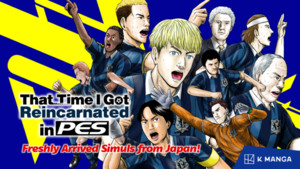
Table of Contents
What is That Time I Got Reincarnated in PES?
At first glance the title is intentionally absurd—part parody of the popular isekai naming trend, part straight-faced comedy about soccer videogames. Kiminori Wakasugi’s manga imagines a world where eFootball™ (the modern successor to Pro Evolution Soccer) receives a manga adaptation of its own, and then proceeds to lampoon both gaming culture and manga tropes with Wakasugi’s unmistakable satirical bite. The series ran on Magazine Pocket and concluded with a final chapter published on April 30; the whole manga has since been made available in English via Kodansha’s K MANGA service.
Kiminori Wakasugi: The Comedic Mind Behind the Manga
Wakasugi is no stranger to genre subversion. He previously created Detroit Metal City, an over-the-top rock-comedy manga that earned a devoted following, a live-action film, and an original video anime. He also wrote All Esper Dayo!, another multi-format hit that spawned TV adaptations and specials. Those works demonstrate Wakasugi’s talent for taking seemingly niche premises and extracting broad, often surreal comedy from them—qualities that serve That Time I Got Reincarnated in PES very well.
Why Wakasugi’s Background Matters
Readers familiar with Wakasugi’s earlier projects will recognize the same darkly playful humor and rapid-fire absurdism. Where Detroit Metal City mined the extremes of musical subculture for laughs, this manga mines the culture around competitive sports games and fandom. The result is a satire that feels targeted yet affectionate: it mocks excesses but also celebrates the passion that drives players, fans, and developers.
How the Premise Works: Gaming, Fandom, and Manga Tropes
The core joke—an eFootball™ manga adaptation written as if the game’s mechanics and corporate culture were source material for melodrama—gives Wakasugi plenty of room to riff. Expect running gags about patch updates, commemorative DLC, in-game physics that defy logic, and the earnestness of esports commentators turned shōnen protagonists. The story plays with the conventions of both sports manga and gaming media, using recognizable beats (underdog teams, legendary matches, training arcs) and reframing them in the context of a video game ecosystem.
Humor That Lands for Gamers and Non-Gamers
One strength of the series is that it doesn’t require an encyclopedic knowledge of PES/eFootball mechanics to enjoy. There are meta gags aimed at gamers—patch-note absurdities, the cult of player ratings—and broader comedic beats that land even if you’ve never touched a soccer title. Wakasugi balances insider jokes with universal comic timing, which broadens appeal while still rewarding fans.
Art Style and Narrative Tone
Wakasugi’s art toggles between exaggerated caricature and dynamic sports action, letting him emphasize both the ridiculous and the cinematic. When the manga wants to lampoon a developer press conference, it leans into grotesque facial expressions and deadpan captions. When it spoofs a climactic match, panel composition and motion lines mimic classic sports-manga intensity—only to undercut it with a punchline. This contrast is central to the manga’s charm: it can sell the spectacle convincingly while immediately deflating it for comedic effect.
Availability: Where to Read the English Release
For readers interested in trying the series, Kodansha’s K MANGA service has published the complete manga in English. The platform offers a convenient, official avenue to read Wakasugi’s work and supports licensing that keeps creators and publishers compensated. For the original Japanese release and archives, the series ran on Magazine Pocket. If you want to see the final chapter announcement or official posts, check the publisher’s channels for the latest updates. For reference, the manga’s final chapter was published on April 30. Magazine Pocket (official source).
Who Should Read This Manga?
That Time I Got Reincarnated in PES is an excellent pick for:
– Fans of Kiminori Wakasugi’s previous work who enjoy sharp, satirical comedy.
– Gamers who appreciate self-aware takes on esports and video game culture.
– Readers who like sports manga conventions but are interested in offbeat, meta reinterpretations.
It’s less suited for readers expecting a straight-laced sports drama or someone looking for a serious exploration of soccer tactics—the series is primarily comedic and thrives on parody.
Impact and Legacy
While short-lived compared to some long-running sports or gag manga, the series demonstrates how flexible manga can be as a medium for cultural commentary. By turning a video game franchise into a mock-epic, Wakasugi underscores both the intensity of modern fandoms and the sometimes absurd relationship between marketing, media, and player expectation. Even after the final chapter, the manga stands as a concise, memorable example of comedy that engages directly with contemporary gaming culture.
Final thoughts
That Time I Got Reincarnated in PES is pure Wakasugi—a sharp, unpredictable comedy that uses the language of sports manga to lampoon gaming culture while still honoring the enthusiasm that fuels it. With the complete English release available on K MANGA and the final chapter published on April 30, now is a great time to read the series from start to finish. Whether you’re a longtime fan of Wakasugi or just curious about a manga that dares to parody a modern sports videogame, this short, punchy title is worth your time.