On April 27, a major cross-border copyright enforcement action led by Korean content companies and Spanish authorities shut down TuMangaOnline (formerly Zonatmo.com), one of the largest illegal Spanish‑language webtoon and manga distribution sites. The takedown—coordinated by Kakao Entertainment, Naver Webtoon, and members of the Copyright Overseas Promotion Association (COA)—signals a turning point in how Korean publishers and platforms are combating large-scale piracy that targets Spain and Latin America.
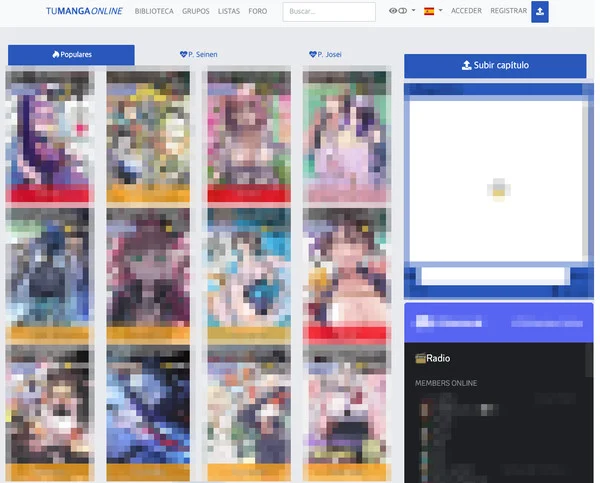
Table of Contents
What happened: The TuMangaOnline shutdown explained
TuMangaOnline, which previously operated under the Zonatmo.com name and a network of affiliated domains, provided unauthorized access to webtoons and manga for Spanish‑speaking audiences across Spain and Latin America. Analytics reported the site drew enormous traffic—tens of millions of visits in a single month—making it comparable in scale to mainstream Spanish‑language portals. After an investigation uncovered operators based in Spain, local police executed search warrants, seized evidence, and shut the service down. A formal criminal prosecution is expected to follow.
How the coordinated investigation worked
Cross-border collaboration between rights holders and Spanish law enforcement
The operation was led by Korean rights holders, including major webtoon platforms and COA member companies, which worked with Spanish legal firms and enforcement agencies. Rights holders identified domain operators and built a case that met Spanish legal standards. Local prosecutors and police then obtained search-and-seizure warrants and acted to take the servers and domains offline, demonstrating an effective model for international enforcement.
Why local jurisdiction matters
Online piracy frequently spans multiple countries, but arrests and prosecutions typically require evidence gathered and presented under local law. In this case, Korean companies supplied investigative leads and legal support while Spanish courts issued warrants and executed the seizure—showing how local legal authority is essential to take down piracy operations hosted or run from another country.
Scale of the infringement and estimated damages
Industry observers noted TuMangaOnline’s extraordinary reach: analytics firms reported the site ranked strongly in Spain and Mexico and recorded roughly 86 million visits in March 2025 alone. Given that level of traffic and the platform’s business model of distributing unauthorized content, Korean rights holders estimate the damages run into the hundreds of millions of dollars over recent years. Beyond direct revenue loss, piracy on this scale harms creators, distributors, and legitimate local partners building legal readerships.
For context on traffic metrics and site ranking, see SimilarWeb’s public analytics overview. SimilarWeb
Implications for the webtoon and manga industry
Stronger precedent for international enforcement
This case is notable because it represents one of the first major successes where Korean webtoon companies coordinated under Spanish law to achieve a takedown. That precedent makes it more feasible for rights holders to pursue similar actions in other jurisdictions by replicating the investigative and legal framework used here.
Deterrence and follow-up prosecutions
Beyond removing a major piracy portal from the web, the criminal proceedings that are likely to follow act as a deterrent. If prosecuted successfully, operators can face fines and criminal penalties, which raises the cost of running large-scale piracy operations and can reduce the volume of illegal distribution channels available to readers in Spanish‑speaking markets.
What creators, publishers, and readers should know
For creators and publishers
– Coordinate with industry associations. The COA and member companies played a central role in organizing this action—industry coalitions can pool investigative resources and legal expertise.
– Document infringement comprehensively. Effective takedowns rely on clear evidence that meets local legal thresholds.
– Expect longer-term enforcement. A takedown is the start of a legal process; rights holders should plan for prosecution and civil remedies where appropriate.
For readers and legitimate distribution partners
– Prefer licensed platforms. Legal webtoon and manga services ensure creators are paid and content quality is preserved.
– Report pirate sites to rights holders or platforms. User reports help identify major piracy hubs faster.
– Be wary of mirror domains. Piracy networks frequently relaunch under new domains; ongoing vigilance matters.
Lessons for global anti‑piracy strategies
The success against TuMangaOnline highlights several strategic lessons for combating digital piracy worldwide: align technical investigation with local legal processes; partner with reputable local counsel; engage national authorities early; and leverage industry coalitions to share costs and intelligence. These elements together create the best chance of permanent takedowns rather than temporary outages.
Final thoughts
The TuMangaOnline takedown is a milestone for Korean webtoon and manga rights enforcement. It shows that well‑coordinated, cross‑border legal action can remove large piracy networks that siphon revenue from creators and legitimate platforms. While piracy is unlikely to disappear entirely, this case provides a practical blueprint for creators and distributors seeking durable remedies. Continued collaboration between rights holders, industry associations, and local authorities—combined with clear communication to readers about legal alternatives—will be essential to protect creative ecosystems and ensure the long‑term health of global webtoon and manga markets.