Dorohedoro returns with a second season that digs its claws deeper into the grime, gore, and goofy charms that made the original adaptation a cult favorite. After a six-year wait, Hole is back on screen—messier, louder, and full of the same weird heart that defines Q Hayashida’s manga. If you want to jump straight back in, a quick rewatch of season one (or a read of the manga) will make the new episodes land that much harder.
Table of Contents
Re-entering Hole: Season 2 Overview
The second season wastes no time plunging viewers back into the narrative thicket. Rather than hand-holding with recaps, the adaptation throws multiple threads into the ring at once—factions collide, flashbacks surface, and familiar faces operate under new pressures. If that sounds chaotic, that’s by design: Dorohedoro thrives on piling on mysteries until the answers become more disturbing than the questions.
Visuals & Production: CGI, Backgrounds, and Atmosphere
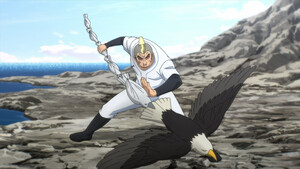
Yuichiro Hayashi returns to steer the production, and the studio’s approach continues to use 3D character models alongside 2D elements. This compromise preserves much of Hayashida’s extremely detailed linework without burning out animators. Compared to the first season, the CGI integration feels more polished—action sequences carry more dynamic weight and the mix of 3D/2D reads smoother overall.
Art Direction and Worldbuilding
The look of Hole remains tactile. While the art director changed hands, the grime, filth, and tactile textures that make the setting so memorable persist under Miho Sugiura’s watch. Backgrounds still sell the world as a living, breathing rotten organism—perfectly suited to the series’ blend of body-horror and black comedy. You can almost taste the blood and dirt.
Story Complexity: Multiple Factions and Twisted Mysteries
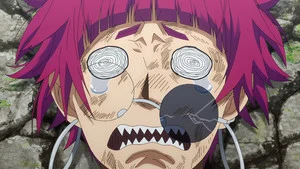
Season 2 amplifies the narrative’s byzantine tendencies. Rather than focusing immediately on Caiman and Nikaido, the opening episodes spotlight the Cross-Eyes—multiple factions that share a name but diverge wildly in behavior and motive. That one plotline fractures into many: bumbling cells, manipulative leaders, cultish worshippers, and outright frauds. This narrative fragmentation extends across En’s scheming, Shin and Noi’s missions, Chidaruma’s machinations, and the Devils’ internal politics.
Flashbacks and Reveals
Flashbacks continue to be a central storytelling device, revealing characters’ pasts in jagged, gruesome shards. Frequently, a revealed clue spawns a dozen new questions, so the series keeps viewers perpetually off-balance—in a good way, if you enjoy mysteries that revel in complication.
Humor, Tone, and Representation
Dorohedoro balances horror and humor with surgical precision: jump scares and grotesque monsters are as likely to be followed by ludicrous, slapstick beats. Hayashida is adept at turning seemingly throwaway jokes into emotionally resonant moments, which keeps the series from becoming oppressively grim.
Where the Humor Stumbles
Not every gag lands. Some characterizations—particularly Chota’s effeminate affectations and certain landlady jokes—lean on stereotypes that feel outdated or mean-spirited. That’s a blemish in a series otherwise notable for its diverse range of body types and gender presentations. Characters like Noi (massive, muscular, and unabashed) stand out as refreshing and lovingly drawn, contrasting with moments where humor misfires.
Characters & Emotional Core
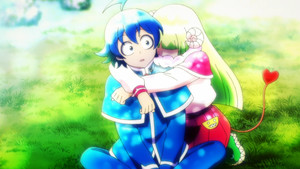
At its core, Dorohedoro remains a story about connection. The series pairs grotesque imagery with surprisingly tender relationships: Shin and Noi’s fierce bond, Kasukabe’s steadfast love for his transformed wife, and the fragile history that ties Risu and Aikawa together. The emotional center, though, is the relationship between Caiman and Nikaido. Their friendship powers the series in ways that make the darker beats hit even harder—especially when the plot threatens to sever their bond.
English Dub & Voice Acting
The English dub returns largely intact and continues to be a strong companion to the original Japanese cast. New casting has been minimal, but notable: Alejandro Saab steps in as Risu. Performances like Cherami Leigh’s gritty, gruff Noi and Aleks Le’s layered Caiman help sell both the brash humor and the moments of genuine vulnerability that fan the show’s emotional flames.
Episode Highlights & Ratings (Episodes 1–5)
The initial five episodes push narrative momentum while occasionally demanding viewers’ patience as they reorient to the expanded cast. Below are concise ratings reflecting how these early entries perform as an arc:
- Episode 1 — 4.5/5: A propulsive but dense reintroduction focused on Cross-Eyes complexity.
- Episode 2 — 4.0/5: Continues to layer factions and stakes while building tension.
- Episode 3 — 4.0/5: Memorable for its Dream Machine sequence and Ebisu’s emotional turn.
- Episode 4 — 4.0/5: Keeps the momentum with character beats and escalating conflict.
- Episode 5 — 4.5/5: Raises the emotional bar with a gutting cliffhanger for Caiman and Nikaido.
Where to Watch
Dorohedoro Season 2 is available to stream on major platforms. If you want to catch it online, check the official streaming pages:
Final thoughts
Dorohedoro Season 2 delivers more of what longtime fans love: ingenious worldbuilding, grotesque set pieces, and a surprising emotional core. It’s messy and sometimes bewildering, but the balance of horror, humor, and heartfelt bonds keeps the ride compelling. If you missed the first season, a quick rewatch (or a dive into Q Hayashida’s manga) will sharpen the experience. For newcomers drawn to off-kilter fantasy with real emotional stakes, Hole is waiting—blood, fungus, and all.