Go For It, Nakamura-kun!! arrives as a refreshing, earnest romantic comedy that foregrounds a gay high schooler’s longing for connection rather than treating queerness as a punchline. The first four episodes are a mix of warm cartoony gags, strong voice work, and slow-burn relationship building — a show that may not sprint toward romance but carefully builds empathy and quirky charm around its anxious protagonist.
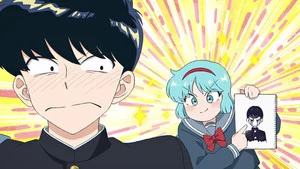
Table of Contents
Overview: A Gentle, Queer-Forward Romantic Comedy
At its core, Go For It, Nakamura-kun!! centers on Nakamura, a painfully shy high-schooler who openly yearns for a gay romance — a premise that already sets it apart in anime rom-coms that often skirt explicit queer desire. The series chooses to foreground Nakamura’s internal anxieties and awkward attempts at friendship over dramatic shoujo-style declarations, leaning on slice-of-life beats and small character moments instead of big plot turns. If you’re searching for a tender, character-driven BL-adjacent rom-com with a retro-tinged comedy aesthetic, Nakamura-kun is a strong candidate.
Animation and Visual Style
Visually, the show blends expressive, cartoony exaggeration with clear character expression work. The animation doesn’t rely on flashy set pieces but excels with micro-gestures and sight gags — the little cockroach motif, which offers wry commentary at times, is a standout. These visual jokes keep the tone buoyant and often transform simple beats into memorable comic moments. The art direction complements the story’s warm, small-scale emotional stakes, and the occasional surreal touches provide delightful variety.
Standout Gags and Visual Humor
Some of the best moments occur when the series embraces its cartoon roots: exaggerated reactions, quick sight gags, and playful cutaways. These moments relieve the tension of Nakamura’s social anxiety and give the series a lively rhythm. When the show leans into these cartoony elements, it feels at its freshest and most entertaining.
Voice Acting and Sound Design
Voice performances are one of Nakamura-kun’s biggest assets. Whether watching in dub or sub, the actors sell the emotional beats and punchlines with conviction. The lead’s anxious ramblings — full of shrieks, voice cracks, and sudden mood dips — feel authentic to a nervous teenager, and support performances (notably the eccentric student council president) bring distinct character flavors that elevate even small scenes.
Music and Atmosphere
The soundtrack supports the show’s tonal shifts well: light, playful cues for comedic bits and softer motifs for quieter, introspective scenes. The overall sound design is unobtrusive but effective, helping to maintain a cohesive mood across the episodes.
Pacing and Narrative Structure
Expect slow-burn development rather than headlong romantic escalation. Across the first four episodes, the series prioritizes Nakamura’s inner life, social awkwardness, and day-to-day interactions rather than rapid relationship progress. The crush he harbors on Hirose drives much of his inner monologue and fantasy, but genuine friendship with Hirose only starts to take shape around episode four.
This deliberate pacing is a double-edged sword: it deepens character empathy and allows for quiet, resonant moments, but it may frustrate viewers seeking faster romantic payoffs. If you prefer introspective character studies and small, relatable beats over grand gestures, the pacing will likely suit you; otherwise, patience is required.
Characters and Themes
Nakamura’s character is defined by his vulnerability and a yearning to be closer to someone he admires. Rather than depicting his desire as purely romantic, the series often portrays his fantasies as an aspiration for intimacy and friendship — a nuance that makes his feelings more relatable and grounded. The show explores themes of social insecurity, the desire for acceptance, and how teasing or past treatment can make someone hide their true interests.
Supporting Cast and Dynamics
Classmates who are obsessed with “boys’ love” act as a running joke, and while the satire of fangirl culture can be entertaining, some moments border on awkward when it involves drawing real classmates in compromising scenarios. That said, secondary characters provide contrast and comedic relief, helping to highlight Nakamura’s awkwardness without making his orientation a joke.
Humor: Quirky, Relatable, and Sometimes Uncomfortable
The humor mostly lands in small, awkward beats that showcase Nakamura’s nervous imagination. Many gags are built around his internal monologues and exaggerated physical reactions. The cockroach gag and other cartoony asides are examples of the series at its best — playful and inventive. However, humor that relies on other characters fetishizing or projecting fantasies onto real students can sometimes feel uncomfortable or borderline invasive, which may not land with all viewers.
Where to Watch
Go For It, Nakamura-kun!! is streaming on major platforms; if you want to catch the series legally, check Crunchyroll for availability. Watch on Crunchyroll.
For commentary and fan discussion, the show’s approachable tone has also led to coverage and playthroughs by independent streamers. For example, the indie Vtuber Bolts The Mechanic regularly discusses retro media and related titles on Twitch: Bolts The Mechanic on Twitch.
Who Will Enjoy This Series?
Fans of character-focused romantic comedies who appreciate subtlety and slow-burn friendships will find plenty to like. Viewers looking for explicit drama or fast-moving romantic arcs may feel impatient, but those drawn to queer representation handled with warmth and lived-in anxiety should find Nakamura-kun rewarding. The show’s charm lies in slices of life, nervous vulnerability, and comedic timing more than in sweeping romantic climaxes.
Potential Drawbacks
- Slow pacing may put off viewers wanting rapid romantic developments.
- Some humor involving classmates’ BL fantasies risks feeling invasive rather than playful.
- Plot momentum is light in the early episodes; character growth is gradual.
Final Thoughts
Go For It, Nakamura-kun!! is a quietly delightful, queer-forward romantic comedy that succeeds most when it leans into cartoonish humor and sincere character moments. The first four episodes establish Nakamura’s anxieties, heartfelt longing for closeness, and the show’s warm visual sensibility, even if the plot moves slowly. If you appreciate thoughtful, character-driven slices of life with strong voice performances and a gentle take on queer desire, this series is worth your time. It may not explode into romance immediately, but its steady emotional beats and charming gags make it a promising watch that rewards patience.