Rooster Fighter bursts onto the screen with the sort of glorious absurdity that makes you laugh before you can even register the stakes. Episode 1 wastes no time establishing its premise: a musclebound rooster named Keiji hunts towering, sorrow-fueled demons with a signature battle cry and a tragic past. The show is equal parts parody and homage, channeling classic macho shonen energy while leaning into the sheer ridiculousness of its feathered protagonist. Below is a deep dive into what makes the premiere a must-watch for fans of action, satire, and offbeat comedy.
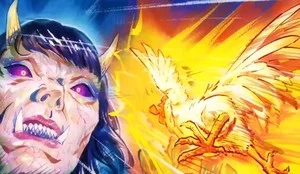
Table of Contents
Episode 1 — Quick Overview
Rooster Fighter’s opener introduces Keiji, a beefy rooster-turned-hero whose life mission is to track down the tattooed titan who kidnapped his sister, Sara. The episode balances visceral monster fights with outright comedy, often pivoting from awe-inspiring one-liners to lowbrow gags in a heartbeat. Visually, it channels a gritty, retro action aesthetic while the writing gladly leans into parody—resulting in a pilot that feels both familiar and wildly fresh.
Plot and Premise
The narrative hook is simple and effective: humans transformed into Demons from internal anguish roam the land, and Keiji is one of the few capable of stopping them. His secret weapon is an explosive sonic call—KOKEKOKKO—able to rupture demons from within. The episode opens with Keiji’s high-octane combat against a towering titan and quickly shifts to reveal his softer motivation: rescuing his sister. That blend of personal tragedy and over-the-top violence creates a surprisingly solid emotional spine for a show whose central conceit is a man-chicken.
Animation and Art Style
Art direction is one of the premiere’s standout achievements. The series adopts a grungy look with smudged shading, thick linework, and dynamic camera work that recalls older, hypermasculine action anime. Yet those stylistic choices are constantly subverted by the fact that the main character is a rooster—so you get immaculate depictions of chicken anatomy rendered with exaggerated heroism. The action choreography is energetic and merciless, while quieter moments allow the animators to sell absurd visual gags—every scratch, peck, and flex feels deliberately crafted.
Character Animation — Attention to Detail
Animators deserve credit for nailing chicken-specific movements while making them feel heroic. From feather ruffles to muscular thigh flexes, the small beats elevate the absurd premise into something viscerally believable. Whether you keep chickens or have only observed them in the yard, the motion studies carry an authenticity that amplifies both humor and impact.
Characters and Voice Acting
Keiji’s characterization walks a tightrope between parody and sincerity. He’s simultaneously a satire of macho protagonists and a genuinely heroic figure. Casting choices underline that duality. The Japanese voice performance channels decades of experience playing larger-than-life figures, giving Keiji a dignified gravitas that sells every deadpan line. The English cast mirrors this approach with bordering-on-epic deliveries that make the ridiculous matter.
Supporting Cast and Demon Design
Demons in Episode 1 are more than faceless antagonists; they’re twisted manifestations of human pain—grieving parents, burned-out workers—creating an unsettling contrast between monstrous form and human origin. This ambiguity adds narrative depth: are demons victims or villains? The show plants seeds of moral complexity while keeping its primary focus on spectacle and jokes.
Themes and Tone
Rooster Fighter riffs on classic shonen tropes—unwavering resolve, power through suffering, and melodramatic revenge—while skewering them through absurdism. The tone flips rapidly between earnest action and ridiculous sexual gags (yes, there are bawdy jokes and awkwardly placed innuendo), but it never feels malicious; the humor targets the tropes, not the audience.
Masculinity, Heroism, and Satire
Part of the show’s charm is its commentary on toxic masculinity in old-school action anime. Keiji embodies an exaggerated version of the “silent strongman” archetype—vastly powerful, emotionally complicated, and comically womanizing. That exaggeration is its own critique: by making the hero a rooster, the series deflates the genre’s self-seriousness and invites laughter while still delivering cathartic fight scenes.
Why the Humor Works
Comedy in Rooster Fighter is multifaceted. The absurd premise provides an instant laugh, but what keeps the humor sharp is impeccable timing: deadpan pauses, musical cues, and facial micro-expressions. The production treats the concept with solemn seriousness, which paradoxically amplifies the laughs. The result is a parody that shares the polish of a straight-faced action show—an important ingredient for satire to land effectively.
Where to Watch
Rooster Fighter is airing on Toonami and is available to stream. For viewers in regions supported by the platform, it can be found on Disney+/Hulu. Please note availability varies by region—check your local streaming options.
Watch on Disney+/Hulu (region dependent)
Toonami / Adult Swim official site
Strengths and Minor Quibbles
- Strengths: Excellent comedic timing, bold art direction, surprisingly emotional hooks, and strong voice work in both Japanese and English.
- Quibbles: The bawdier jokes may not land for all viewers, and some may find the tonal whiplash between gut-punch drama and crude humor jarring at times.
Final thoughts
Episode 1 of Rooster Fighter is an audacious, gleefully absurd ride that marries genuine action chops with parody and heart. It’s funny, violent, and unexpectedly moving—an ideal pick for viewers who miss the unfiltered energy of classic shonen but want something with a modern, self-aware twist. Keiji is a hero you can root for and laugh at in equal measure; the show proves that treating a silly premise seriously can be the key to brilliant comedy. If you’re looking for twenty minutes of cathartic, ridiculous fun that still tells a story worth following, Rooster Fighter delivers.