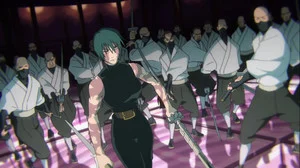
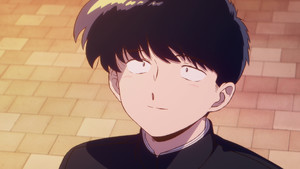
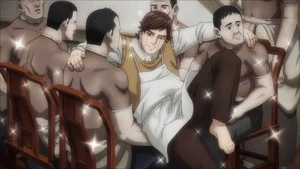
Fire Force Season 3, Episode 19 leans hard into apocalyptic spectacle and surreal nightmare imagery, embracing mood and feeling over painstaking exposition. If you grew up on late‑90s/early‑2000s anime that reveled in abstract emotional finales, this installment will feel deliciously familiar: the world is unspooling, the stakes are cosmic, and the show chooses atmosphere and symbolic punch over fully mapped-out logic. That creative choice mostly pays off, delivering a visually striking, emotionally charged penultimate march toward whatever the finale has in store.
Table of Contents
Atmosphere Over Explanation: Why the Episode Works
There are moments in serialized anime where the precise mechanics of a villain’s plan feel secondary to the scale and emotion of the confrontation — and this episode is one of them. The White‑Clad’s endgame is presented as a crashing tide of ideas and imagery: Hope vs. Despair, Imagination against reality, the collective unconscious pressing in. Instead of stopping to lay every cog of the machine bare, the episode sells the sensation of an unraveling world. For viewers who respond to mood, music, and visual invention, that’s more than enough.
Humanizing the Antagonists: Haumea and Charon
Flashbacks grant Haumea and Charon slivers of backstory that (briefly) humanize their motivations. The series has historically favored archetypal villainy — striking designs and theatrical ideals over deep psychological realism — but these scenes do enough to shade their actions with a sympathetic tinge. Haumea’s torment, portrayed as an assault by the collective unconscious, aligns well with the season’s focus on Adolla and the mental burden carried by those touched by it. The result: a villain who still feels larger than life but is no longer a cardboard cutout.
White‑Clad as Conceptual Antagonists
The White‑Clad remain most compelling as a thematic force rather than a typical character ensemble. Their ideology — not just their tactics — is the real adversary here, and the episode leans into that. When a threat becomes metaphysical, the show pivots toward imagery and symbolism, which often communicates the stakes better than lengthy exposition.
Company 8 and Arthur: Heroism as a Collective
Company 8 functions best as a united front: a band of heroes committed to each other and to fighting back. Within that group, Arthur has always been a standout: bombastic, theatrical, and oddly charismatic in his delusions. His Act 3 return and literal crowning as Knight King are satisfying, giving the character a chance to be both ridiculous and genuinely heroic. Seeing Arthur rescue Yu and obliterate Giovanni’s final remnants is a gratifying payoff for a character who thrives on grand gestures.
Visuals and Mixed‑Media: When Reality Melts
The episode’s highlight is not another boss fight but the descent into surreal, mixed‑media nightmare. Recent anime have experimented with live‑action inserts, photo collages, and stylistic ruptures to sell oddness and dread — and Fire Force uses those tools here with real effect. Intercutting real human eyes and faces with animated sequences creates an uncanny valley that amplifies the sense of reality fraying. The normally cartoony visual language of the series becomes exaggerated and grotesque, which makes the collapse of the familiar world all the more affecting.
Sound and Design
Sound design and score are understated but essential. The episode doesn’t rely on constant musical cues; instead, it chooses moments of silence or sparse soundscapes to let imagery breathe. That restraint helps the mixed‑media sequences land harder, allowing viewers to feel the tension rather than be told to feel it.
Big Themes: Hope, Despair, and the Collective Mind
At heart, the episode is wrestling with large ideas: the collision of hope and despair, imagination vs. reality, and the weight of shared consciousness. Haumea’s deluge of human thought offers a neat metaphor for how trauma, grief, or mass belief can shape reality. These themes elevate the spectacle into something with emotional stakes beyond the physical fight scenes.
A Familiar Echo: Evangelion and Cosmic Unraveling
It’s hard not to see a lineage connecting this episode’s Third‑Impact‑adjacent vibes to earlier anime that ended in dream logic and metaphysical apocalypse. If you’re curious about that influence, see this overview of Neon Genesis Evangelion for background (nofollow) — it’s a reasonable reference point for where Fire Force’s endgame tone is drawing inspiration from. Neon Genesis Evangelion (Wikipedia)
Speculation and What Comes Next
The episode telegraphs that the finale will be less about tactical resolutions and more about a collision of ideas and wills. The “psycho smiley‑moon” in the sky is such a blatant visual marker of impending cosmic catastrophe that only the most hard‑headed of viewers would miss its significance. Rather than giving us a tidy blueprint, the show is constructing an emotional architecture: when the dust settles, we’ll feel the consequences even if every metaphysical detail isn’t explicitly spelled out.
Where to Watch
If you haven’t caught this season yet, Fire Force is currently streaming on Crunchyroll (nofollow). Watch on Crunchyroll
Author’s note: more thoughts and episode breakdowns can be found on the writer’s blog and social feeds.
Final thoughts
Episode 19 of Fire Force Season 3 doubles down on mood, style, and the emotional weight of apocalypse rather than getting bogged down in technicalities. The result is an episode that’s often more effective for what it suggests than for what it explains: humanized antagonists, a rousing if theatrical hero moment for Arthur, and some genuinely unsettling mixed‑media visuals make this a standout chapter on the run toward the finale. If you enjoy anime that privileges atmosphere and symbolic power in its endgame, this episode will likely hit the sweet spot.