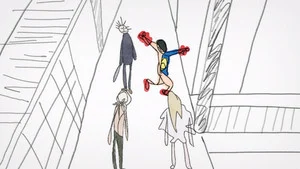
Oshi no Ko Season 3’s fifth episode doubles down on the series’ willingness to explore the darkest corners of show business, balancing gorgeously detailed animation with a plot that can feel both shocking and manipulative. This installment centers on Kana’s desperate gambit to break out of B-Komachi’s shadow while the larger mystery surrounding Aqua, Akane, and Hikaru Kamiki grows darker and more morally ambiguous. The episode is equal parts heartbreaking character study and uncomfortable reminder of how toxic power dynamics can be in the entertainment industry.

Table of Contents
What happens in Episode 5: plot highlights and unsettling implications
Episode 5 takes two parallel threads and tightens them: Kana’s personal struggle to be taken seriously as an actress, and the ongoing investigation into Aqua’s origins and the people who failed Ai. The episode doesn’t shy away from grim implications—most notably the revelation that Hikaru Kamiki may have been a minor when his first child was born, a detail that forces viewers to reckon with patterns of abuse that ripple through generations. Meanwhile Kana’s storyline becomes a microcosm of the industry’s predatory underbelly, deployed here as both drama and cautionary tale.
Kana’s arc: ambition, bad choices, and the cost of agency control
Kana remains the episode’s emotional anchor. Her hunger to escape second-fiddle billing with B-Komachi makes her willing to take risks that conflict with the sense she’s built as a hardworking, earnest performer. The show frames her missteps as the product of systemic pressure: talent agencies tightly control opportunities and a single “in” can feel like salvation for a young performer.
A night gone wrong: when desperation meets predation
A sleazy director’s appearance pushes Kana into a situation that reads like a warning about quid-pro-quo exploitation. The scene’s tonal shifts—oscillating between dark comedy and genuine alarm—underscore how normalized these abuses can feel within the narrative. Kana’s internal monologue repeatedly signals that what she’s doing is wrong, yet she continues, illustrating how an industry that commodifies youth and looks can warp judgment.
Characterization vs. plot device: is Kana fully realized?
While Kana steals several scenes—her drunken honesty and sheer vulnerability are compelling—the episode sometimes treats her more as a symbol than a fully realized person. Her rapid slide into risky behavior occasionally feels at odds with previous episodes where she showed professional discipline (recent stage work being a prime example). That tonal inconsistency suggests the writers used Kana to highlight a casting practice rather than to further explore her interiority in depth.
Akane, Aqua, and the unfolding mystery around Hikaru Kamiki
If Kana is the episode’s small-scale tragedy, Akane’s role represents the broader machination. She understands Aqua in ways few others do—someone who channels trauma into laser-focused obsession. Akane concludes Hikaru Kamiki is likely Aqua’s father and possibly linked to Ai’s murder, and she resolves to keep the two apart. Her cold pragmatism—protect Aqua by preventing a confrontation—underscores a bleak worldview: official channels may fail to deliver justice, and vengeance could be inevitable.
The cycle of violence
The series hints at a generational loop: Hikaru (himself a victim of abuse) may have either suffered as a child or committed morally compromised acts that led to Ai’s death, and now Aqua, consumed by the need for truth and recompense, teeters on the brink of becoming the next violent actor in that chain. It’s a brutal meditation on how trauma perpetuates itself when left unaddressed, and the episode probes whether revenge is a solution or simply another tragic consequence.
Style and pacing: beauty masking brutality
One of Oshi no Ko’s strengths remains its visual and tonal dexterity. The episode is exquisitely animated—faces, lighting, and staging are so carefully rendered that emotional beats hit harder than they might on paper. This cinematic gloss can make even the ugliest moments linger in the mind. At the same time, the pacing barrels forward: the plot shifts quickly from scandal to personal breakdown to conspiracy without lingering to fully examine every character reaction. That briskness keeps momentum high but occasionally leaves character motivations feeling compressed.
Tonal friction and narrative payoff
There’s tension between the show’s dramatic ambitions and its occasional reliance on sensationalism. Some plot elements—like the sleazy director trope—are grounded in unfortunate real-world truth, but the way they’re employed sometimes reads like a device to escalate stakes rather than an organic extension of character. Still, the episode succeeds when it lets small, quiet moments breathe: Kana’s private humiliation, Akane’s unflinching resolve, and the glimpses of Aqua’s obsession all land because of strong performances and direction.
Where to watch Oshi no Ko Season 3
You can stream Oshi no Ko Season 3 on major platforms:
– Crunchyroll (no-follow link)
– HIDIVE (no-follow link)
Predictions and what to expect next
Moving forward, expect the show to continue unspooling its dual tracks: the industry-centered vignettes that expose exploitation and the central mystery that ties Aqua, Ai, and Hikaru together. Akane’s decision to manage the fallout herself raises the stakes—if she keeps Aqua sheltered from the truth, tensions will only escalate when secrets inevitably surface. The series may test whether truth is worth the collateral damage it produces and whether any character can escape the legacy of abuse without paying a price.
Final thoughts
Episode 5 of Oshi no Ko Season 3 is uncomfortable, gorgeous, and provocative. It doesn’t offer easy answers, preferring instead to force viewers to sit with unpleasant implications and systemic rot. Kana’s heartbreak and Akane’s grim pragmatism provide compelling counterpoints: one character is consumed by personal ambition and vulnerability, the other by control and protection. If the series sometimes leans on sensational beats to accelerate plot, it still rewards attention with memorable visuals and morally complex dilemmas. This is a show that will keep you unsettled—and eager to see how these characters cope with the consequences of choices made in the spotlight.