Wash It All Away’s fifth episode settles further into the show’s deliberate, laid-back rhythm, favoring quiet domestic effort over spectacle. Kinme’s overnight laundry scramble and a much-anticipated festival sequence anchor this installment, but the episode’s strengths and shortcomings both stem from the series’ commitment to a muted, low-key tone. Here’s a closer look at what works, what doesn’t, and where the anime might be heading.
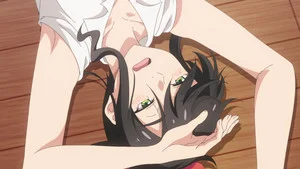
Table of Contents
Episode 5 recap: a race against the clock
Episode 5 follows Kinme as she races to wash a mountain of moldy laundry overnight to prepare for the town’s festival. The initial half of the episode is a compact, intimate piece of storytelling that puts labor and routine front and center. As Kinme grinds through her chores in near-silence, the episode focuses on the texture of her effort rather than external drama. The latter half moves into the festival itself, but the payoff feels underpowered compared with the buildup.
Pacing and sound design: quiet choices that mostly pay off
The episode’s pacing is its most deliberate design choice. Where many comedies or slice-of-life shows would escalate the laundry scramble into frenzied slapstick—fast cuts, rising orchestral cues, and exaggerated reactions—Wash It All Away dials the energy down. The quiet approach enhances the sense that Kinme is methodical and unhurried, even when she’s under time pressure.
Sound design plays a key role in making this work. Music is sparse and unobtrusive: piano plinks and ambient hums rather than blaring horns or a comedic trombone effect. That restraint allows viewers to focus on Kinme’s small, controlled actions and the tactile qualities of the scene—water, suds, wringing—creating an unexpectedly engrossing micro-drama out of household chores.
Festival sequence: underwhelming given the buildup
After the slow burn of the laundry arc, the episode pivots to the festival. Given how much narrative energy has been invested in getting Kinme there, the festival’s relative muted presentation is a disappointment. The animation remains static in many shots, leaning on still imagery and montage rather than dynamic movement. For a scene that should communicate communal excitement, the sequence feels oddly subdued.
Nairo’s drumming subplot—set up earlier in the season—gets little payoff here. Her on-screen drumming is minimal and lacks the visual or rhythmic emphasis it deserved. The show’s commitment to calm and restraint makes it hard to fault the choice entirely, but it also means that moments that could sing with life never quite do.
Character focus: Kinme’s quirkiness and the teased amnesia
Kinme remains the show’s primary draw: a very “cute anime girl” archetype who is at once charming and, occasionally, cliché. Episode 5 doubles down on her ditzy, klutzy persona—reiterating earlier beats where she falls asleep unexpectedly or trips in awkwardly timed moments. While these moments provide gentle comic relief, overusing the klutz trope can flatten Kinme into a predictable caricature instead of a fully rounded protagonist.
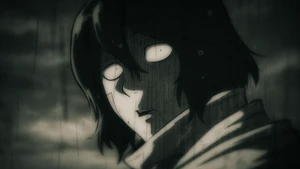
Meanwhile, the amnesia thread continues to linger. Kinme’s memory loss is referenced in quiet exchanges between Kyuushou, Kuriru, and Moruda while they keep their distance during her laundry marathon. The conversation serves mostly to remind the audience the amnesia exists rather than to deepen or resolve it. If the series intends to use amnesia as an emotional or plot catalyst, more consistent development is needed; otherwise the repeated teasing risks feeling like an unresolved dangling thread.
Why the amnesia tease frustrates
Recurrent hints without follow-through are a common storytelling hazard: they can create anticipation but also generate audience fatigue if left unresolved. Here, the amnesia is an intriguing mystery that could illuminate Kinme’s past or relationships, yet the show’s pacing choices mean that the subplot remains dormant. The question becomes: is the series planning to explore this later, or is it content to keep the mystery atmospheric and unexplained?
What worked: subtlety, atmosphere, and moments of craft
- Intimate pacing: The laundry sequence is quietly compelling, transforming mundane labor into narrative weight through patient direction.
- Effective restraint in sound: Minimalist music choices amplify small character beats instead of drowning them out.
- Consistent tonal identity: The episode maintains the show’s chill aesthetic, which will appeal to viewers who enjoy meditative slice-of-life pieces.
What didn’t work: missed opportunities and overused tropes
- Festival underutilization: Given the anticipation, the festival should have delivered a stronger emotional or visual payoff.
- Klutziness repetition: Kinme’s repeated pratfalls risk reducing her depth and charm.
- Stalled subplot: The amnesia thread remains an unfulfilled promise rather than a narrative engine.
Where the series could go from here
Future episodes would benefit from balancing the show’s relaxed aesthetic with occasional, intentional spikes of energy—especially during events like festivals where communal animation and sound design can highlight character bonds and stakes. If the amnesia subplot is going to matter, the series should either commit to developing it emotionally or stop teasing it to avoid viewer frustration.
Character work is another fertile area. Showing Kinme engaging in different tasks or revealing hidden competencies could counterbalance the recurring klutz gag and make her feel more three-dimensional. Likewise, giving Nairo’s musical ambitions clearer beats—practice, performance, or meaningful reactions from other characters—would reward viewers who’ve been following that setup.
Wash It All Away is available to stream on Crunchyroll. Watch on Crunchyroll
Final thoughts
Episode 5 of Wash It All Away showcases the series’ strengths in quiet observation and restrained craft while revealing some of its narrative limitations. The laundry sequence is a small triumph of pacing and sound, but the festival’s muted execution and the repeated amnesia tease leave the episode feeling uneven. For viewers who appreciate slow-burning slice-of-life with occasional mysteries, the show still has plenty to offer—but it will need to start answering some of its own questions or else risk fraying audience patience. I remain curious to see whether upcoming installments will deepen Kinme’s characterization and make better use of the larger community moments the series keeps hinting at.
The views and opinions expressed in this article are solely those of the author and do not necessarily represent the views of any affiliated organizations.