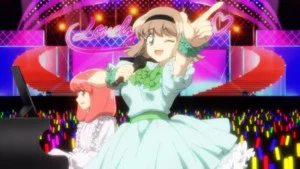
Oshi no Ko Season 3’s third episode leans into one of the series’ recurring strengths: using entertainment-industry drama to examine broader social issues — in this case, harassment, fandom, and the complicated place cosplay occupies in popular culture. The installment attempts to juggle a topical MeToo-esque storyline, an exploration of rights and licensing, and a surprisingly sincere love letter to cosplay. The result is uneven: sincere in parts, preachy in others, and occasionally guilty of flattening the real-world complexity it tries to dramatize.

Table of Contents
Episode Overview: A Sanitized Take on a Complex Movement
On the surface, episode 3’s subplot is straightforward: a cosplayer’s tweet about mistreatment by a TV director threatens a show’s production and forces a studio scramble. That setup evokes MeToo-era dynamics — victims speaking up and the industry reacting — but the episode opts for a simplified, hopeful version of events. It treats the crowd’s instantaneous belief and the rapid fallout as granted, glossing over the messy, often retrogressive real-world responses that followed the MeToo moment. As a result, the arc reads like a sanitized parable rather than a critical excavation of power imbalances.
Meiya’s Story: Respectful Portrayal of Cosplay and Sex Work
Humanizing a Marginalized Fan
One of the episode’s wins is its handling of Meiya. Her backstory — turning to sex work after illness prevented office employment — resonates with real-life narratives about survival and labor choices. The show refuses to paint her as a cliché or lesser fan because she produces adult cosplay photos; instead, it emphasizes her dedication. The depiction of Meiya pulling an all-nighter to construct an intricate Tokyo Blade costume is a small but meaningful detail that validates the craftsmanship behind cosplay, regardless of where someone monetizes their work.
Fighting Stereotypes About 18+ Cosplay
The episode pushes back against a lazy assumption: that adult cosplay equals superficial fandom. Meiya’s deep knowledge and devotion explode that myth. By portraying her as a committed fan who invests time, skill, and heart into her hobby, the narrative highlights an important point — cosplay is culture, not commodity.
Meta Commentary: Rights, Licensing, and Self-Reference
“Correctness” spends time on the dry, legalistic side of entertainment: licensing, approvals, and brand partnerships. That exposition is heavy-handed but fascinating for how meta it is — the anime is effectively talking about its own ecosystem. When the episode debates who gets to authorize cosplay tie-ins and how companies sanitize “sexy” content by sending female reps, it’s calling out entrenched industry practices while simultaneously being part of that industry discourse.
The Episode as a Mirror
Because the show itself fuels fandom activity — cosplay, doujinshi, fanart — this storyline reads like an internal critique. The dense explanation of rights and brand control at times reads like insider commentary, which will satisfy viewers interested in the mechanics behind media production even if it bogs down the pacing.
Power Dynamics: The Director, Yoshizumi, and the Limits of Redemption
The episode initially sets up a clear abuser-victim dichotomy: a sleazy director and Meiya, who is publicly humiliated and pressured. Yoshizumi is again shown absorbing the director’s abuse, reinforcing his image as a beleaguered producer trying to hold a project together against toxic leadership. Yet the storytelling struggles with balance: it portrays the director as both perpetrator and redeemable human, culminating in a scene where he apologizes while wearing a handmade Princess Saya cosplay.
Why the Redemption Feels Troubling
There’s something unsatisfying about turning a clearly abusive figure into a sympathetic character simply by revealing a vulnerable side. The series attempts nuance — that people can both harm and create — but the payoff tips toward an easy reconciliation that risks minimizing Meiya’s lack of power. Her tweet is her only tool, and the chance that it upends the director’s career feels like narrative convenience rather than a believable reflection of social dynamics.
Cosplay as Culture: The Episode’s Brightest Thread
Despite missteps in thematic framing, the episode’s treatment of cosplay is earnest and often moving. When the director apologizes by sewing a cosplay by hand, the moment’s emotional core is Meiya’s recognition of craft and authenticity. The scene forces viewers to confront their own instinct to laugh at a man in drag — and to consider whether that laughter is deserved or a reflexive dismissal of sincere fan labor. Here, cosplay emerges victorious: portrayed as time-consuming, passionate, and deserving of respect.
Craft Over Clicks
Much of the episode’s emotional power comes from celebrating the handmade, the labor behind cosplay, and the ways that care can bridge seemingly impossible divides. Even a problematic reconciliation cannot erase the clear message: fandom is work, and it deserves to be taken seriously.
Where the Episode Falls Short
- Over-sanitization of MeToo-like realities — the episode smooths over the messy backlash and nuance of actual social movements.
- Narrative convenience — the viral tweet and turnaround happen quickly and implausibly.
- Tentative moral equalism — portraying abuser and abused as sharing moral weight undercuts accountability.
Where It Succeeds
- Respectful representation of sex work as labor and survival.
- Authentic celebration of cosplay craftsmanship.
- Meta-awareness about industry rights and fandom that rewards attentive viewers.
Oshi no Ko Season 3 is currently streaming on Crunchyroll and HIDIVE.
Final thoughts
Episode 3 embodies Oshi no Ko’s greatest strengths and its recurring flaws. It can be incisive and tender — particularly in its portrayal of cosplay and labor — but it also simplifies complex social realities in pursuit of tidy emotional beats. If you watch for craftsmanship, fandom respect, and insider commentary about rights, this episode delivers. If you expect a nuanced, real-world critique of harassment dynamics, you may find it frustratingly neat. Either way, the episode keeps the series’ central tension alive: a willingness to confront industry ugliness while still searching for human connection inside the machinery of entertainment.