Perhaps this is a “me” problem, but the second cour of You and Idol Precure♪ doesn’t land as cleanly as earlier seasons of the franchise. It keeps many of the series’ charming hallmarks—colorful transformations, catchy music, and strong emotional beats—yet several story and pacing choices in episodes 13–24 leave the season feeling uneven. Still, there are moments of genuine warmth and risk-taking, especially around Purirun’s storyline, that make this cour worth dissecting for fans of magical girl and idol-themed anime alike.
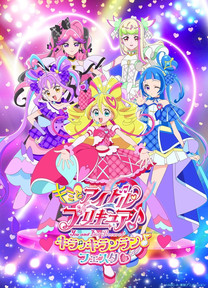
You and Idol Precure♪ episodes 13–24 bring new Cures, complicated costs, and an uneven but intriguing idol angle.
Table of Contents
Plot and New Developments: Two New Cures and a Costly Power
The midseason arc pushes the stakes up by introducing two new Cures—Cure Kiss and Cure Zukyoon—at moments when the core trio (Idol, Wink, and Kyun-Kyun) are struggling against Lady Darkine’s forces. Meanwhile, fairy companions Purirun and Meroron travel back to Kirakiland looking for a solution. They find one in the Heart Kirari Lock, a power that grants a significant boost but demands a steep price: something deeply cherished must be given up to activate it. For Purirun, that cost is heartbreakingly specific—her memories of Uta.
Purirun’s Sacrifice: Classic Magical Girl Tragedy
Why this matters
Purirun’s choice is one of this cour’s strongest narrative beats. The magical-girl genre has long explored the idea that power can have consequences, and You and Idol Precure♪ leans into that tradition by making Purirun’s transformation into Cure Zukyoon an act of selfless love. She gives up the memories that define her bond with Uta so she can fight for her friend—an instantly sympathetic and dramatic setup that raises emotional stakes beyond the usual “good vs. evil” battles.
Subtext and ambiguity
Interestingly, the Lock’s price is paid only by Purirun, not Meroron, despite them using it together. This opens multiple readings: perhaps Meroron’s wish was less pure, or the Lock twisted or suppressed a romantic longing so it could be the “price.” That ambiguity adds a darker texture to otherwise lighthearted episodes and suggests potential future heartbreak if those lost feelings (and memories) return or are revealed.
Idol Culture on Display: A Missed Opportunity?
The season tries to weave idol and fan culture into its conflict, most notably through episodes that show what happens when devotion goes too far. Some villains are literally consumed by idol worship and require purification, while other characters—like Zakkiri—struggle with shame about being a fan of certain Cures. Nana’s interactions with Zakkiri are a highlight; her insight into public versus private identity makes her uniquely placed to understand the fan dilemma. However, the series often stops short of deeper critiques of idol industry pressures or stan culture, preferring to keep the tone child-friendly rather than incisive.
Fans, performers, and empathy
The quieter moments—such as Hibiki’s conversation about why he values Café Glitter’s casual, human treatment—work best, reminding viewers that idols are people and that fandom has human consequences. These scenes hint that the show could have dug deeper into the emotional labor of performers and the ethics of fandom, but for now they remain promising seeds rather than full explorations.
Character Work, Pacing, and the Series’ Tone
Character arcs in this cour are uneven. Purirun’s arc is emotionally committed and well-executed, while Meroron’s jealousy and over-the-top behavior remain grating for some viewers. Hibiki’s relative absence across the middle episodes reduces opportunities for romantic or mentor-like beats to develop naturally. The show’s idol theme sometimes feels underused or shoehorned into episodes rather than driving the plot consistently, which contributes to an awkward pacing that alternates between sincere and lightweight.
Visuals, Transformations, and Music
Design-wise, Cures Zukyoon and Kiss stand out. Their black-and-white color scheme and dual transformations call back to the franchise’s early visual contrasts while feeling fresh. Animation quality fluctuates: a few episodes have impressive choreography and camera work—especially in the new ending sequence—while others feel less polished. Musically, the series continues to deliver catchy themes and hooks that suit its idol premise, even if they don’t always reach the franchise’s very best anthems.
What works
- Strong emotional moments centered on sacrifice and friendship.
- Memorable new Cure designs and thematic callbacks to franchise history.
- Occasional smart use of idol/fan dynamics to create empathy rather than mockery.
What could improve
- More consistent pacing and distribution of core cast screentime.
- Deeper engagement with the darker or more complicated sides of idol culture.
- Smoothing out the animation inconsistency across key transformation and performance sequences.
Further reading
For more context on the Pretty Cure franchise and how its themes have evolved, see this overview: Pretty Cure (overview). For background on the studio and production approaches to long-running magical girl shows, consider exploring Toei Animation’s official site: Toei Animation.
Final thoughts
You and Idol Precure♪’s second cour is a mixed bag: it contains genuine emotional risk—most notably Purirun’s painful sacrifice—and some striking new Cure designs, yet it’s held back by uneven pacing and a reluctance to fully commit to an incisive take on idol culture. Fans who come for character moments and franchise callbacks will find rewards here, and there’s enough promise in the midseason beats to hope the series grows bolder in its second half. For viewers who prefer darker, more thematically driven magical-girl narratives, this cour may feel light; still, the heart of the series—friendship, sacrifice, and hope—remains intact, and that makes it worth seeing through.