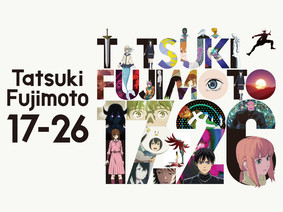
Tatsuki Fujimoto 17–26 is an ambitious anime anthology that animates eight one‑shot stories from the manga author’s teenage and early‑twenties years. Collected from two volumes of Fujimoto’s pre‑Chainsaw Man work, the series brings together seven directors and six studios to reimagine moments of alien invasion, awkward teen romance, surreal humor, and grim theatrics. Each episode stands alone, offering a compact window into the author’s creative development and the wild ideas that would later inform his more famous works.
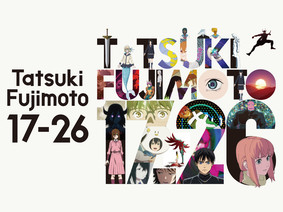
Tatsuki Fujimoto 17–26 adapts eight one‑shots from the author’s early career.
Table of Contents
Anthology Overview: Why Separate Episodes Work
Rather than forcing a connective thread between disparate tales, the producers chose to keep the episodes self‑contained — a decision that pays off. With budget and creative latitude granted to each director and studio, the anthology preserves the tone and integrity of the original one‑shots while allowing for bold stylistic experimentation. The result is a varied viewing experience: some chapters shine through electrifying visuals and direction, while others rely on emotional simplicity or sharp comedic timing.
Episode Highlights: Standouts and Surprises
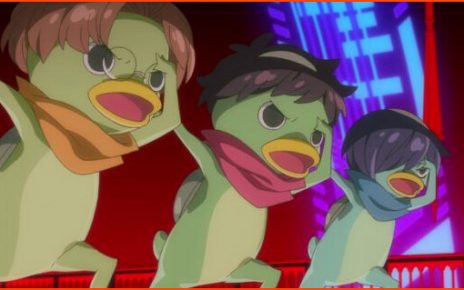
A Couple Clucking Chickens Were Still Kickin’ in the Schoolyard
Opening the series with a post‑apocalyptic punch, this episode amplifies the original one‑shot’s alien designs and action beats. A more expansive final battle replaces the manga’s abrupt cut, offering catharsis and a slightly more optimistic close to a bleak premise. The animation leans into kinetic movement and inventive creature work, making it one of the most visually memorable entries.
Sasaki Stopped a Bullet
True to its title, this short delivers a compact lesson about the contagious power of belief. The direction emphasizes facial expressions and timing, turning absurd line readings into sustained laughs. Compared to the previous episode’s spectacle, it feels modest but effective — a reminder that strong writing and voice work can carry a simple set‑up without elaborate production flourishes.
Love Is Blind
A crowd‑pleasing turn toward romantic comedy, this installment balances genuine teen longing with escalating, almost cosmic misfortune. Its charm lies in how it strings together awkward heroics and Murphy’s law‑style gags; it doesn’t need flashy animation to score emotionally. If you’re in the mood for heartfelt absurdity, this is the palate cleanser the anthology provides between darker tales.
Shikaku
One of the anthology’s most spectacular entries, Shikaku pairs an eccentric assassin with an immortal vampire in a story that’s equal parts spectacle and oddball romance. The visuals are showy and energetic, though some viewers may find the underlying character work thinner than the animation suggests. Still, it’s an enjoyable, stylish ride that indulges in the bizarre.
Mermaid Rhapsody
Perhaps the most conventional piece in the lineup, Mermaid Rhapsody adapts a quieter coming‑of‑age tale about a boy and a mermaid. It leans into slice‑of‑life sensibilities and melodic cues, but in a crowded anthology full of wilder ideas, it risks feeling interchangeable with other romantic dramas. The episode’s score and tender moments, however, still make it worthwhile.
Woke‑Up‑as‑a‑Girl Syndrome
Colorful, stylized, and sonically infectious, this episode is a standout for its visual daring and earworm city‑pop ending theme. Studio Kafka’s animation experiments — from bold camera angles to sudden graphic inserts — turn a heavy topic into something buoyant without dismissing its core tensions. It manages to be playful while still engaging with issues of identity and body image.
Nayuta of the Prophecy
Here the anthology points most directly at the seeds of Fujimoto’s later work. Tonally darker and more visceral, Nayuta’s story centers on sibling bonds under the pressure of fanatical violence and supernatural power. Sweeping visuals and a grim color palette escalate the stakes until a cathartic release — a sequence that recalls the emotional brutality and manic visuals fans of later Fujimoto series will recognize.
Sisters
Closing the anthology, Sisters is the emotional fulcrum that ties together many of Fujimoto’s recurring interests: jealousy, art, and intimate family dynamics. The episode balances humor and tenderness, and its careful handling of vulnerable moments makes it a moving finale. Without overreaching creatively, it lands the final emotional punch and leaves the viewer with a sense of completion.
Production, Direction, and Musical Choices
One of the anthology’s strengths is how different directors interpret Fujimoto’s uneven, exploratory writing. Some episodes opt for grand visual reinvention; others amplify the original’s tone with modest, character‑driven animation. Music plays a vital role too — from minimalist piano cues to full city‑pop arrangements — shaping each episode’s emotional center. Creditably, the show resists homogenizing its style, which keeps the anthology lively and unpredictable.
What Fans of Chainsaw Man and Look Back Will Find
If you discovered Fujimoto through later works like Chainsaw Man or the acclaimed Look Back film, this anthology offers an instructive look at his narrative evolution. Reoccurring motifs — fractured innocence, chaotic humor, and sudden brutality — are plainly visible here, though often in less polished form. For readers curious about how Fujimoto’s aesthetic and thematic preoccupations developed, these one‑shots are a fascinating playground. For more of Fujimoto’s serialized work, explore the official English releases such as Chainsaw Man (publisher pages and streaming platforms often carry official info). Chainsaw Man on VIZ and many streaming sites provide legal viewing options. Chainsaw Man on Crunchyroll
Final thoughts
Tatsuki Fujimoto 17–26 is a bold anthology that both celebrates and reveals the author’s formative experiments. Some episodes soar with audacious animation and emotional clarity; others feel like unfinished sketches that still offer insight into Fujimoto’s imaginative range. Taken together, the eight stories map a creative trajectory: uneven, surprising, and frequently brilliant. Whether you’re a long‑time fan curious about Fujimoto’s roots or a newcomer seeking a sampler of odd, affecting shorts, this series is a rewarding, roller‑coaster experience that’s well worth the ride.