Table of Contents
Takopi’s Original Sin — A Harrowing Look at Childhood Trauma and Fragile Hope
Takopi’s Original Sin is one of those rare anime that deliberately pushes viewers out of an escapist comfort zone and into an unsettling mirror of real-world pain. Behind a deceptively cute alien mascot lies a six-episode tale that confronts bullying, neglect, suicide, and the cyclical nature of abuse. This review breaks down the series’ major strengths and what makes it simultaneously difficult and vital viewing.
Synopsis

Takopi finds Shizuka, a bullied elementary schooler, and tries to fix her world — with consequences.
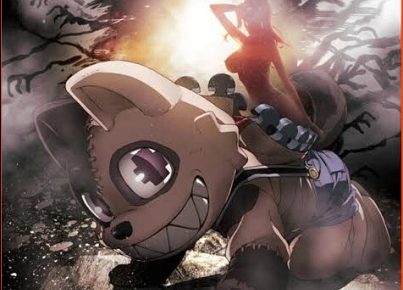
Takopi is a memory-impaired magical alien whose mission is to make people on Earth happy. The creature stumbles upon Shizuka, an elementary school girl tormented by classmate Marina and trapped in family dysfunction. Takopi’s whimsical gadgets and naive optimism collide violently with the harsh realities Shizuka faces, revealing a slow-burn tragedy that grows steadily darker across its short run.
Why the Cute Mascot Misleads You
At first glance, Takopi looks like a premise ripped from a lighthearted magical-girl comedy. The show’s brilliance is how it weaponizes that expectation: the mascot’s bubbly music and exaggerated voice acting create a sharp contrast with the muddy, angular presentation of the human world. That juxtaposition heightens the shock of each horrific revelation and forces the viewer to reconcile sweetness with brutality. This creative dissonance is central to the series’ emotional impact.
Themes: Bullying, Abuse, and the Cycle of Violence
Takopi’s Original Sin meditates on how parental decisions and social stigmas ripple into childhood inescapably. A mother’s reputation, domestic violence, or neglect warp how children are treated by peers and by the world. The series argues that violence begets more violence and that trauma compounds across generations. By showing these atrocities through a creature who understands the world like a five-year-old, the series exposes how normalized abuse can become in a small town — and how difficult it is to repair what has been broken.
A Portrait of Compounded Harm
Scenes in the show aren’t merely shocking for shock’s sake; they are carefully staged to show slow emotional deterioration. The realism of some sequences — including self-harm and physical abuse — makes them difficult to watch, but also underscores the series’ thesis: ignoring or trivializing these problems leaves children profoundly vulnerable.
Direction, Visuals, and Sound
The direction leans on hard cuts and jarring transitions to keep viewers off balance. Visual design uses a clear contrast between the mascot’s rounded, colorful aesthetic and the human characters’ muddied, scuffed designs. This contrast is most effective when the two worlds collide — temporary warmth and happiness feel earned and fragile rather than saccharine.
Sound design amplifies unease. Catchy, mascot-like themes play when Takopi is on screen, only to be undercut by silence, cicadas, or sudden, piercing noises in moments of horror. The result is an audiovisual language that forces emotional engagement: you’re never allowed to settle completely into comfort or escapism.
The Ending: Catharsis or Narrative Shortcut?
The series is deliberately ambiguous about its final choices. On a thematic level, the ending leans into the idea that shared suffering can create bonds that help people endure, if not fully erase, their trauma. That emotional catharsis lands — it’s often moving and thematically consistent — but narratively some viewers may find the resolution rushed or under-explained in its final act. There’s a sense that a bit more time or elaboration could have strengthened the payoff.
Who Should Watch It? Trigger Warnings & Recommendation
This is not light viewing. Trigger warnings: bullying, child abuse, suicide, physical violence, and disturbing imagery. If you’re seeking comfort or purely escapist anime, this show is not for you. However, if you can handle difficult material and want a series that treats children’s trauma with unflinching seriousness, Takopi’s Original Sin offers a haunting, meaningful experience. Viewers who appreciate works that interrogate human cruelty through a lens of empathy will find it resonant.
For further context and community discussion, check out the show’s page on MyAnimeList (no-follow): MyAnimeList. For factual reference on the manga source or production notes, official studio pages or publisher announcements are preferable to fan aggregators; always seek verified sources when researching sensitive themes (no-follow): IMDb.
How the Series Stands Out
What separates Takopi’s Original Sin from other drama-driven anime is its commitment to emotional honesty. It doesn’t flinch from representing the ugliness of human behavior, yet it also refuses to collapse into nihilism. The small gestures of connection — holding hands, a brief shared laugh, an act of protection — become luminous precisely because the surrounding world is so bleak. That contrast is what gives the series its melancholic power.
Crafted Discomfort with Purpose
Some may call elements gratuitous; others will say they are necessary to convey the stakes. The show balances this by grounding its moments of cruelty in character psychology and social cause-and-effect rather than mere spectacle. That makes the discomfort feel purposeful, designed to provoke reflection rather than simply to shock.
Final thoughts
Takopi’s Original Sin is a tough, emotionally intense mini-series that rewards viewers willing to confront difficult subject matter. Its ingenious use of a lovable mascot as a lens for human cruelty creates a tension that makes the series both heartbreaking and, at times, surprisingly hopeful. The ending may not satisfy every viewer narratively, but the emotional core — the need for presence, understanding, and human connection — remains clear and affecting. If you have the stomach for it, this short but potent anime is an unflinching exploration of trauma, responsibility, and the slow work of compassion.