Table of Contents
Exploring the Thrilling World of Netflix’s Devil May Cry Animated Series
The “Devil May Cry” franchise is renowned for its high-octane action and iconic characters, and Netflix’s animated adaptation captures this essence perfectly. While the series deviates from the original game’s continuity, it offers fans a fresh take on Dante’s origins as a demon hunter.
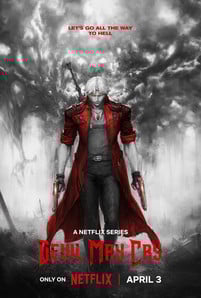
Image: Centered depiction of Dante, the protagonist of Devil May Cry’s animated series.
The Storyline: Blending Old and New
The Legendary Demon Knight Sparda
The series begins by revisiting the ancient legend of the Demon Knight Sparda, who, 2000 years ago, severed the ties between the human and demon realms. The plot thickens as a rabbit-headed demon threatens this hard-won peace.
Dante’s Quest
Dante, known for his cocky charisma, holds one of the keys to this potential catastrophe—a necklace. Pursued not only by demons but also by the U.S. government’s elite Darkcom special forces, led by the formidable “Lady,” Dante is thrust into a battle that defies the boundaries of human and demonic worlds.
Expanding the Universe
Setting: Early 2000s America
Unlike the isolated locales of its gaming predecessor, the series roots itself in early 2000s America—a setting rife with political tension and zealotry. Vice President William Baines, obsessed with righteous conquest, embodies the era’s fervor, giving the show a unique socio-political layer.
Humanizing Demons
The show offers a nuanced portrayal of demons, moving beyond traditional evil archetypes. This complexity is mirrored in the demonic hierarchy, where civilian demons are caught in the crossfire of larger existential battles.
Political Undertones and Character Development
Commentary on Early 2000s Politics
Interestingly, the animated series serves as a critical commentary on the real-world political climate of early 2000s America. The allegorical representation of demons highlights issues like xenophobia and religious extremism.
Characters in Conflict
As the plot unfolds, both Dante and Lady grapple with their own beliefs, confronting new truths and personal biases. This introspective journey adds depth to their heroic personas, making them relatable and compelling.
Visuals and Soundtrack: A Feast for the Senses
Stunning Action Sequences
The animated series excels in its portrayal of action—slick, creative, and true to the essence of the games. The horror of demon attacks is conveyed with visceral detail, enhancing the show’s intensity.
Innovative Animation
A standout is the sixth episode, which employs two unique animation styles to narrate backstories without dialogue. This artistic choice elevates the storytelling, showcasing the series’ dedication to visual excellence.
A Nostalgic Soundtrack
The music is a nostalgic nod to early 2000s rock, featuring tracks from Limp Bizkit, Papa Roach, and Green Day. These tunes, coupled with an original score, capture the era’s spirit and amplify the series’ atmosphere.
Voice Acting: Stellar Performances
Bringing Characters to Life
Johnny Yong Bosch’s portrayal of young Dante is both endearing and dynamic, while Kevin Conroy’s chilling performance as Vice President Baines stands out, evoking both fear and admiration.
Final Thoughts
Netflix’s “Devil May Cry” animated series is more than just a spin-off—it’s a deep dive into societal themes wrapped in the guise of a supernatural thrill ride. Its ability to blend intense action with profound commentary makes it a must-watch. Despite ending on a cliffhanger, hinting at more adventures to come, this series holds its ground as a thrilling exploration of the Devil May Cry universe.
For those interested in more explorations of thematic storytelling, ScreenRant’s article on creative adaptations offers further insights into successful adaptations across media.