The manga adaptation of the light novel series Oshiawase ni, Kekkonsha-sama. Watashi mo Watashi de, Shiawase ni Narimasu no de. — written by Gorogoromikan with illustrations by HIROKAZU — has been abruptly ended by Monthly Shonen Magazine after the magazine’s editorial staff determined that the artist responsible for the comic, Matsurika, used artwork that bore numerous, problematic similarities to other existing works. The decision and explanation were published publicly by the editorial team, who confirmed the artist admitted to imitation that exceeded acceptable reference use. Below we break down what happened, the timeline, and what this means for creators and readers in the manga industry.
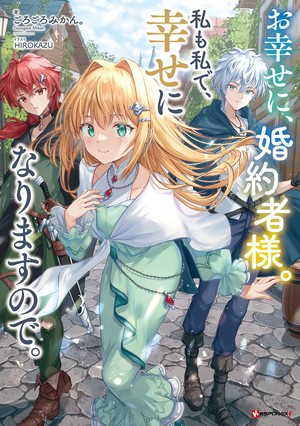
Table of Contents
What Happened: Summary of the Cancellation
Monthly Shonen Magazine announced that it has ended serialization of Matsurika’s manga adaptation after identifying artwork similarities between the manga and other published works. The editorial staff investigated and spoke directly with the artist, who acknowledged that their use of reference material had crossed into imitation rather than inspiration. As a result, the magazine terminated serialization, apologized to readers and industry stakeholders, and pledged to strengthen internal checks to prevent similar incidents in the future.
Timeline: From Debut to Cancellation
Launch and Publications
The manga’s first chapter appeared on the Comic Days website on February 10. A handful of chapters followed, with the most recent chapter released on March 3 before the serialization was halted. The story the manga adapted originally began as a web novel on Shōsetsuka ni Narō in 2024, written by Gorogoromikan, and later received a commercial light novel release illustrated by HIROKAZU on December 26. The sudden termination affected readers who had begun following the comic on Comic Days and raised questions about quality control and reference use in serialized manga production.
Official Statements and Follow-up
Monthly Shonen Magazine publicly acknowledged the issue and apologized for the inconvenience and disappointment. The magazine explicitly stated it will review and strengthen its editorial review process. The artist Matsurika admitted to overstepping acceptable boundaries when using other works as reference — language the editorial staff characterized as “imitation that exceeded the scope of reference materials.”
Why This Matters: Plagiarism, Inspiration, and the Line Between Them
Using reference material is a normal part of the creative process, especially in manga where artists study poses, backgrounds, and prop designs. However, the industry draws a firm distinction between inspiration and direct imitation. When character designs, panel composition, or line work are too closely copied from another artist’s published work, it constitutes a form of plagiarism that harms original creators and undermines reader trust.
Industry Impact
Incidents like this can have ripple effects: publishers may tighten checks, new or freelance artists might see more rigorous screening, and ongoing adaptations could face stricter oversight. For creators, the case is a reminder to document reference sources and to ensure that final artwork remains an original expression rather than a trace of prior works.
Reactions from Readers and Creators
Readership reactions to cancellations vary — from disappointment at losing a serialized title to support for the publisher’s efforts to protect creative integrity. Some artists and fans emphasize the importance of mentorship and education for emerging creators, so they understand both how to use references ethically and how to transform them into genuinely original art.
Publisher Responsibility
The editorial apology included a promise to review its checking system. That likely means enhanced pre-publication scrutiny, more thorough image-comparison checks, and clearer guidelines for artists submitted to serialization. While stronger controls can prevent similar problems, they also increase workload and may slow publication schedules — a trade-off publishers will need to manage carefully.
Where to Read More
For readers interested in primary sources regarding the serialization and the original web novel, refer to the official posting on Comic Days and the original Shōsetsuka ni Narō page. These pages contain the original release information and author posts that contextualize the light novel and its adaptation. (Comic Days and Shōsetsuka pages linked below for reference.)
Lessons for Fans and Creators
For fans: be aware that serialized content can change or stop unexpectedly; stay informed via official publisher channels. For aspiring artists: maintain a portfolio of original work, use references responsibly, and familiarize yourself with copyright and community norms. For publishers and editors: transparency and swift action are essential to maintain credibility after an incident.
Practical Tips for Artists
- Always transform references with unique stylistic choices rather than tracing or closely copying.
- Keep source notes to document inspiration and avoid accidental similarities.
- Seek feedback from mentors or peers when adapting complex poses or backgrounds to ensure your rendition is original.
Final thoughts
The end of Matsurika’s serialization is a sobering reminder that the manga industry values both creativity and integrity. While adaptations can bring a web novel or light novel to a broader audience, they also come with responsibilities — to the original creators, to readers, and to the artistic community at large. The editorial team’s prompt action and commitment to improving checks are positive steps, but the situation also highlights the need for clearer education and stronger support systems for creators navigating the line between reference and reproduction. Fans who enjoyed the initial chapters will understandably be disappointed, and the community now has an opportunity to discuss how to better protect originality while supporting emerging talent.