Kazuto Tatsuta’s Ichi-F: A Worker’s Graphic Memoir of the Fukushima Nuclear Power Plant is returning in a meaningful way — ten years after the original run concluded. Kodansha’s Morning magazine has announced a special one-shot chapter that will appear in its next issue on February 12, portraying the current state of Fukushima and continuing the frank, human-scale account that made Ichi-F an essential nonfiction manga. For readers interested in documentary comics, post-disaster recovery, or contemporary Japanese history, this one-shot is a rare follow-up from a creator who lived and drew the cleanup first-hand.
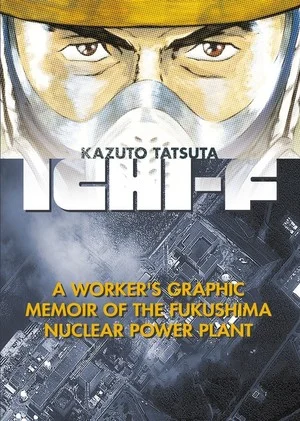
Table of Contents
What Is Ichi-F and Why It Stands Out
Ichi-F (also stylized as ICHIEFU) is a nonfiction manga created by Kazuto Tatsuta, who worked at the Fukushima Daiichi Nuclear Power Plant during the cleanup after the 2011 tsunami and nuclear accident. Unlike fictionalized takes on disaster, Tatsuta’s work is a memoir: straightforward, observational, and deeply human. The manga documents the daily realities of workers, the technical challenges of decontamination, and the emotional weight carried by people living in the disaster’s aftermath.
What sets Ichi-F apart is its combination of simple, unadorned artwork and rigorous attention to detail. Tatsuta’s illustrations are not flashy — they’re precise, making them ideal for conveying procedural work, safety constraints, and the small, telling human moments that define long-term recovery efforts. For many readers outside Japan, this manga provided one of the clearest, most accessible windows into what cleanup work looked like on the ground.
The New One-Shot: What We Know
Kodansha’s Morning magazine revealed that a special one-shot chapter of Ichi-F will run in its issue dated February 12. This installment is explicitly framed as a look at Fukushima “at present,” meaning the narrative will likely focus on the later stages of recovery, ongoing challenges, and how communities and workers have adapted in the decade since the disaster.
Although full details of the one-shot’s content are limited in the announcement, the return of Tatsuta’s voice alone is newsworthy. Where the original series covers the immediate aftermath and cleanup work, this one-shot is expected to reflect shifts over time: environmental progress or setbacks, social and economic realities for evacuees and returnees, and the evolving relationship between technology, policy, and daily life in affected regions.
When and Where to Read
The special chapter will be published in Morning magazine’s issue on February 12. For English-speaking readers who want to explore Tatsuta’s work now, the collected memoir is available through Kodansha USA in English translation. The English edition provides crucial context for international readers and preserves Tatsuta’s direct, observational approach.
Purchase link (English edition): Ichi-F on Amazon
Kazuto Tatsuta: From Worker to Witness
Kazuto Tatsuta first entered the public eye by submitting a one-shot entry to Morning magazine’s 34th Manga Open in 2013. That entry won the grand prize and was later serialized, running from late 2013 until 2015. Tatsuta’s background as an on-site worker is the foundation of his credibility — he lived the labor he depicted, often working in precarious conditions and strict protocols that are difficult for outsiders to imagine.
His approach treats the reader as a witness: he documents rather than sensationalizes. The result is a work that functions as journalism, social criticism, and personal testimony all at once. Tatsuta’s career trajectory — from worker to award-winning cartoonist — underscores how manga can serve as an important medium for conveying lived experience, especially in contexts where mainstream media coverage tends toward either panic or technical abstraction.
The Cultural and Historical Importance of the One-Shot
Ten years after the Fukushima disaster, memory and representation are central concerns. A one-shot from Tatsuta offers both a historical checkpoint and a cultural recalibration. It reminds audiences that recovery is not a single event but an ongoing process with human costs, bureaucratic complications, and incremental wins.
Documentary comics like Ichi-F contribute to public understanding in ways that academic reports or news articles sometimes cannot. Through visual storytelling, Tatsuta humanizes statistics and technical language, making radiation, decontamination, and long-term displacement palpable. This is especially important for younger readers who may have limited memory of 2011 or who are encountering the story for the first time via manga.
Why Manga as Memoir Matters
Manga memoirs occupy a unique niche: they combine narrative pacing with visual detail, allowing creators to control emphasis, time, and perspective. Tatsuta’s panels frequently pause on small gestures — a lunch suppressed by worry, a safety check repeated until muscle memory takes over — moments that convey the texture of everyday life in ways prose sometimes misses. The new one-shot is likely to continue this tradition, giving readers a measured, human-scale portrait of present-day Fukushima.
How This One-Shot Fits into Post-Disaster Conversation
As Japan and the global community debate issues like nuclear safety, energy policy, and disaster preparedness, firsthand works like Ichi-F provide critical ground-level testimony. They remind policymakers, journalists, and readers that questions about radiation levels, decommissioning timelines, and community resettlement are experienced in bodies, routines, and local economies — not only in reports and statistics.
For scholars, activists, and general readers tracking Japan’s long-term recovery, Tatsuta’s return is a prompt to reassess what has changed and what remains unresolved. For the people of Fukushima, an updated account from someone who once worked inside the plant is a chance to keep their stories visible on the national and international stage.
Where to Follow Updates
For the latest information, check Morning magazine’s official channels and Kodansha USA’s announcements about English translations and related releases. The original English edition of Ichi-F remains a recommended starting point for readers who want the full context of Tatsuta’s work.
Suggested resource: Kodansha USA (publisher page and release announcements).
Final thoughts
The announced Ichi-F one-shot is more than a nostalgic revisit; it’s a necessary piece of ongoing documentation from someone who lived the cleanup effort every day. Kazuto Tatsuta’s clear-eyed comics offer both technical insight and human empathy, making complex issues accessible without flattening their consequences. Whether you’re following the story from a literary, historical, or humanitarian perspective, this one-shot is a reminder that recovery, memory, and accountability continue long after headlines move on.