Akane Torikai’s latest manga, Bad Babies Don’t Cry (Bad Baby wa Nakanai), reached a significant milestone when its final chapter was published in Morning magazine’s 30th issue. Combining gritty real-world dilemmas with emotional character work, the series has cemented Torikai’s reputation as an author who balances social realism with tense, human drama. Below we break down the story, themes, publication history, and why this title deserves attention from manga readers who like suspenseful, character-driven narratives.
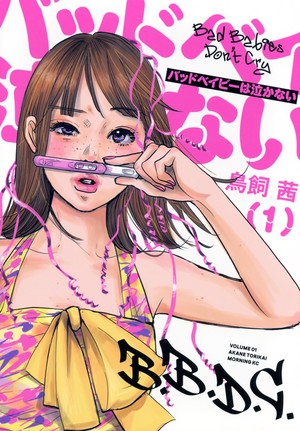
Table of Contents
What is Bad Babies Don’t Cry?
Bad Babies Don’t Cry centers on a dramatic premise: four strangers save a 10-year-old girl who had attempted suicide by jumping from a train platform. Years later, the girl—now 17—reappears in the life of one of those strangers, Kasumi Kado, a 28-year-old office worker. The reunion forces the original rescuers back together as they confront past decisions, personal guilt, and a new crisis that threatens the girl’s life once more.
Plot overview
At its heart the series explores how a single moment can bind disparate lives together. What begins as a rescue turns into a long-term psychological tether—each character wrestles with the choice to intervene, the aftermath of that intervention, and whether they can ever fully understand or help the girl they saved. Torikai gradually unfolds motivations and backstory, using present-day encounters to unspool secrets and test the fragile trust between the characters.
Key characters
– Kasumi Kado: A 28-year-old office worker and one of the rescuers. Kasumi represents the theme of adult responsibility—how someone who once acted heroically copes with the moral and emotional fallout years later.
– The rescued girl (now 17): Central to the story’s emotional pull, her reappearance drives the narrative while revealing the limitations of rescue without understanding.
– The other rescuers: Each member of the group brings a different perspective (guilt, denial, pragmatism, or avoidance), creating a dynamic that feels authentic and morally complex.
Akane Torikai: author background and style
Akane Torikai has become known for tackling socially resonant themes using grounded character drama. Before Bad Babies Don’t Cry, Torikai launched works such as Sensei’s Pious Lie (serialized in Morning two beginning in 2013) and Saturn Return, the latter earning a nomination for the 28th Annual Tezuka Osamu Cultural Prize in 2024. Torikai’s storytelling tends to emphasize ethical ambiguity and the emotional consequences of adult actions, often leaving readers to wrestle with difficult questions rather than handing down tidy resolutions.
Narrative strengths
Torikai’s strengths show in her patient plotting and focus on psychological realism. Rather than leaning on spectacle, she builds tension through character interaction, small revelations, and moral friction. Her dialogue often carries double meanings—what’s said and what’s left unsaid—and she uses setting and ordinary routines to heighten discomfort and empathy.
Themes and tone
Bad Babies Don’t Cry explores themes that resonate beyond the immediate drama: trauma and recovery, the ethics of intervention, adult culpability, and the complexity of human compassion. The tone can be somber and sometimes unsettling, but Torikai balances this with moments of quiet humanity—showing how fragile kindness can be, and how imperfect people try to do the right thing.
Why the themes matter
In an era when social problems and mental health are increasingly visible in storytelling, Torikai’s work stands out for refusing easy answers. The series prompts readers to ask hard questions: When is intervention supportive versus invasive? How do bystanders carry the weight of a life-altering event? These questions give the manga an introspective depth that invites discussion and re-reading.
Publication history and volumes
Torikai launched Bad Babies Don’t Cry in Kodansha’s Morning magazine in July 2024. The manga ran through multiple chapters and was compiled into tankōbon volumes; Kodansha published the series’ fifth compiled volume on April 23. Torikai’s steady serialization and collected volumes have made the series accessible to both weekly magazine readers and those who prefer reading in volume form.
For readers looking to collect or read the volumes, official retailers and publisher pages are the best place to verify availability. The series’ collected editions are ideal for those who want the full narrative arc and any supplemental author notes or illustrations included in the tankōbon.
Live-action adaptation
Bad Babies Don’t Cry received a live-action film adaptation that opened in Japan in July 2024, bringing Torikai’s cinematic, character-driven drama to the screen. The move to live-action underscores the story’s strengths: intimate human conflict and moral ambiguity translate naturally to film, where close-ups and atmosphere can intensify the emotional beats Torikai writes so carefully.
Adaptation considerations
Adapting psychologically dense manga to live-action requires careful casting and direction to preserve nuance. Fans of the manga will look for faithfulness to key scenes and emotional truth rather than exact shot-for-shot replication. The film’s release helps expand the audience and invites cross-medium discussion about how the narrative’s themes shift when presented in a different format.
Reception and why you should read it
Bad Babies Don’t Cry has been notable for its narrative maturity and Torikai’s thoughtful approach to difficult material. Readers who appreciate slow-burn character studies, ethical dilemmas, and contemporary social themes will find a lot to engage with here. The series is recommended for mature readers due to its heavy subject matter and emotional intensity.
Where it fits in Torikai’s body of work
This title continues Torikai’s trajectory as a creator who tackles real-world issues through fiction. If you enjoyed Sensei’s Pious Lie or Saturn Return, Bad Babies Don’t Cry will likely resonate for its similar moral sensibilities and careful character crafting.
For more information or to purchase collected editions, check official publisher pages or verified retail listings.
Final thoughts
Bad Babies Don’t Cry is a striking example of contemporary manga that blends moral complexity with emotional realism. Akane Torikai’s final chapter in Morning magazine closes a story that forces readers to consider the consequences of rescue and the responsibilities we hold to one another. Whether you come to the series for the suspenseful plot, the layered characters, or the ethical questions it raises, this manga rewards thoughtful reading and discussion. It’s a recommended pick for readers who want fiction that lingers after the last page.