Big news for fans of Vocaloid-inspired storytelling: the third compiled volume of Mahiro Satou’s Alkali Rettōsei manga — the manga adaptation of Kairiki Bear’s popular “Alkali Rettōsei” (Alkali Underachiever) song — has been announced as the series’ final compiled volume. The book is slated for release on April 27, 2026, bringing Satou’s adaptation to a close and wrapping up the manga’s take on a story that began life as a single, viral Vocaloid track.
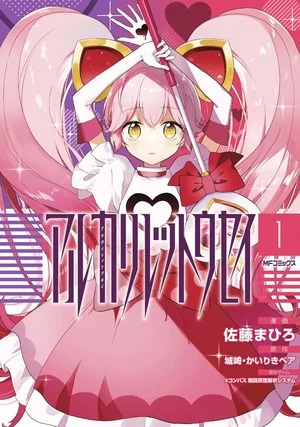
Table of Contents
What this final volume means for Alkali Rettōsei
The announcement that the third compiled book will serve as the final volume closes the curtain on Mahiro Satou’s manga adaptation of the Alkali Rettōsei storyline. Satou’s manga is based on a novelization of the song’s narrative, and the adaptation has been praised for translating the song’s compressed emotional beats into a wider, character-driven format. This final volume will likely resolve remaining story threads from the novelization while offering new visual interpretations exclusive to the manga format — making it essential reading for fans who began with the song or the novels.
Origins: from Vocaloid song to novels to manga
The song that started it all
Kairiki Bear originally released “Alkali Rettōsei” as a Vocaloid song in November 2016. The track quickly drew attention for its haunting melody and striking narrative lyrics that lent themselves well to expanded storytelling. The original uploads remain available online for listeners: the song’s Nico Nico page and its official YouTube upload both host the track for archival listening and new fans alike. Listen on Nico Nico • Watch on YouTube.
Novelization and illustrated retelling
Following the song’s popularity, a novel adaptation — co-written and illustrated by collaborators including Shirozaki and Kurowa — expanded the world and characters hinted at in the lyrics. The series of novels provided the narrative backbone that Satou used for the manga: the first novel volume appeared in August 2023, with a second volume released in April 2025. Those novels deepened the lore and character motivations, making the jump to a serialized manga a natural next step.
Mahiro Satou’s role and adaptation pedigree
Mahiro Satou is no stranger to adapting Vocaloid-driven story projects into full-length manga. Satou previously worked on the manga adaptation of the Kagerou Project (originally JIN’s Vocaloid-based series), which ran in print from 2012 until early 2019 and was collected into 13 compiled volumes. That adaptation experience — transforming short-form music-driven narratives into multi-volume manga — positioned Satou well to handle Alkali Rettōsei’s unique blend of musical origin and novelized plot.
What Satou brings to Alkali Rettōsei
- Experienced pacing: Satou’s past work demonstrates an ability to expand lyrical snapshots into episodic beats that still retain momentum.
- Character focus: his adaptations emphasize emotional clarity, making motivations and relationships resonate across panels.
- Visual reinterpretation: Satou’s art translates musical mood into cinematic paneling and visual motifs that enrich the original song and novels.
Related media and legacy
Alkali Rettōsei’s path — song to novel to manga — mirrors a pattern seen with other Vocaloid-origin franchises that have crossed mediums. For reference, the Kagerou Project spawned both manga and an anime adaptation titled Mekaku City Actors in 2014, and later a short film presentation in 2016; the project’s cross-media success helped set a template for converting song-driven stories into broader narratives. Similarly, Alkali Rettōsei’s multiple forms (song, novels, manga) give fans multiple entry points and ways to experience the story.
International reach
While the original materials are primarily published in Japanese, localized publishers have previously brought related Vocaloid-derived works to North American readers. International interest in these cross-medium projects tends to grow when a series reaches a clear conclusion, which can spur licensing and translated releases. If demand grows, Western readers may see official translations or licensed releases in the future.
What to expect from the final volume
Although details such as chapter breakdowns and extra features haven’t been fully revealed, the final compiled volume will likely include:
- Conclusion of the main story arc as adapted from the novelization
- Author notes or afterwords from Mahiro Satou and collaborators
- Possible bonus illustrations or short side chapters that didn’t fit into serial chapters
Fans should watch official publisher announcements and retailer listings for specifics on page counts, special editions, or bundled extras leading up to the April 27 release date.
Where to listen and learn more
If you’re new to Alkali Rettōsei and want to trace the story from its musical roots through the novels and manga, start with the original song and then explore the novel editions before diving into Satou’s manga. The original Vocaloid uploads remain the best way to experience the genesis of the story: Nico Nico and YouTube host the official uploads.
Final thoughts
The announcement that Mahiro Satou’s Alkali Rettōsei manga will conclude with its third compiled volume marks a bittersweet moment for fans of Vocaloid-inspired narratives. While the series’ end closes a chapter, it also consolidates the adaptation’s achievements: thoughtful expansions of a compact song narrative, strong visual storytelling, and a definitive collected volume that will serve as the complete manga record. Whether you came for Kairiki Bear’s original song, the novel expansions, or Satou’s manga interpretation, the April 27, 2026 release is a moment to celebrate the full lifecycle of a story that started as a single Vocaloid track and grew into a cross-media saga.